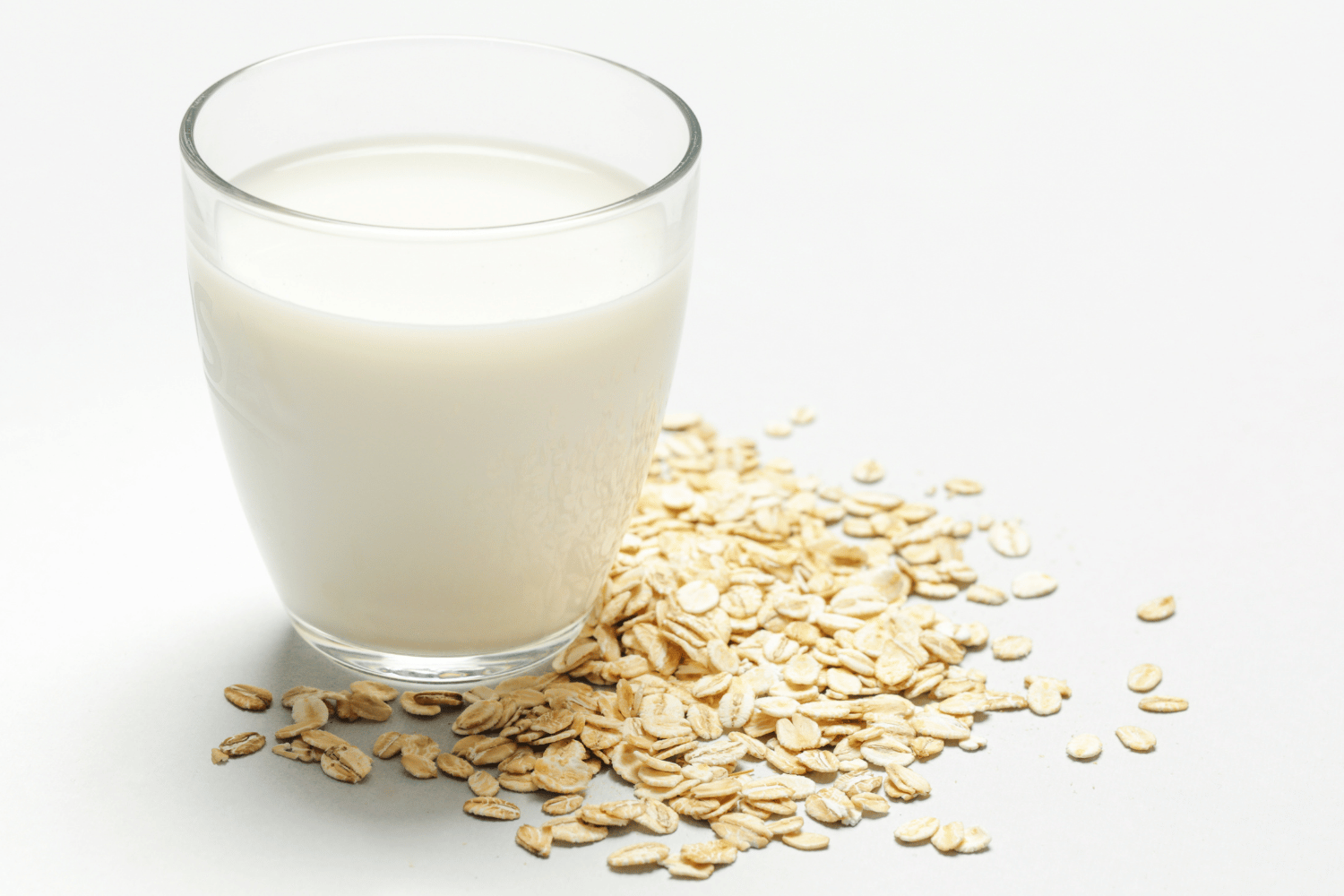
The viral popularity of Singapore’s Oatside has prompted a closer look at its nutritional profile.
Reports of rising demand for oat milk brand Oatside have sparked online debate over its nutritional profile—with netizens questioning whether the product lives up to the hype.
Oatside, a Singaporean plant-based oat milk beverage, has gained traction globally as a dairy alternative and has become popular among cafés, particularly its Barista Blend variant. Others include Chocolate and Oat Latte.
Its growing popularity also led to reports of supply shortages since late May. Some social media users even claimed there had been hoarding incidents, though these remain anecdotal and unverified.
But the conversation has shifted beyond availability.
Some users began calling Oatside “overhyped”—questioning whether it is actually healthy enough to justify the attention it has received.
On its website, Oatside describes its products as “healthy,” stating its goal is “to make the world’s most delicious milk that’s both good for you, and the planet.”
Dr. Ivan Zapanta, a dual-specialty internist and nutritionist-dietitian affiliated with nine major hospitals in Metro Manila, told radar that consumers must give such marketing claims a closer look.
“Dairy has complete protein, it has all nine essential amino acids in one glass. Oat milk doesn’t have that,” Zapanta said. “It’s mostly starch and water, and once it’s processed, that starch turns into sugar fast, faster than what’s in dairy. So blood sugar spikes quicker with oat milk.”
According to Oatside Barista Blend’s published nutrition facts, every 100mL serving contains 65 kJ energy, 0.6 g protein, 3.2 g fat, 8.1 g carbohydrate, 2.8 g sugars, 47 mg sodium, 218 mg potassium, 98 mg calcium, and 88 mg phosphorus.
Based on the 2015 Philippine Dietary Reference Intakes, such numbers provide more than 13% of the recommended daily intake of 750mg of calcium and 12.5% of 700mg phosphorus for a Filipino adult. Its sugar level keeps it well within the recommended limit of less than 10% of total daily energy intake.
Its protein and energy contributions, however, are relatively modest. A 100 mL serving accounts for only a small fraction of the recommended daily energy (2,530 kcal for male and 1,930 kcal for female), protein (71 g for male and 62 g for female), and the 2,000 mg upper limit for sodium. It is less comparable to dairy or soy milk as a protein source.
Despite oat milk’s limited nutritional value, Zapanta said it can still be beneficial for certain patients, especially those with dietary restrictions.
“If you’re lactose intolerant, allergic to milk protein, or you have chronic kidney disease and need to watch your protein and mineral load, oat milk is one of the dairy alternatives,” he said. “But for everyone else who are healthy, it’s more of a decision of preference.”
While many online argue that the Oatside hype mostly has to do with flavor, some consumers rely heavily on the “clean” and “organic” promotions that position the dairy alternative as the healthier option.
“People hear plant-based and assume healthier, lower sugar, lower calorie. That’s not always true,” Zapanta said. “Some flavored oat milks have more added sugar per serving than a can of soda.”
He also advised the public to check for the “fortified” seal. Prominently displayed on the product, this label indicates that the food is enriched with essential vitamins and minerals aimed at fighting micronutrient malnutrition.
“If it’s not there,” Zapanta added, “you’re not getting dairy’s calcium and vitamin D. So always read the label.”
READ:

Safety first: Navigating the Nestlé and Wyeth Infant Formula recall in the Philippines
Mianne Cudal
January 12, 2026

PH ranks No. 8 of world’s unhealthiest country list by global travel creator
Marinel Cruz
June 22, 2026
Carabao milk is the Philippines’ overlooked white gold
Kate Nuesca
May 4, 2026