Healthcare accessibility remains an underlying issue in the country despite legislative efforts.
Overreliance in AI mirrors broken Philippine healthcare system.
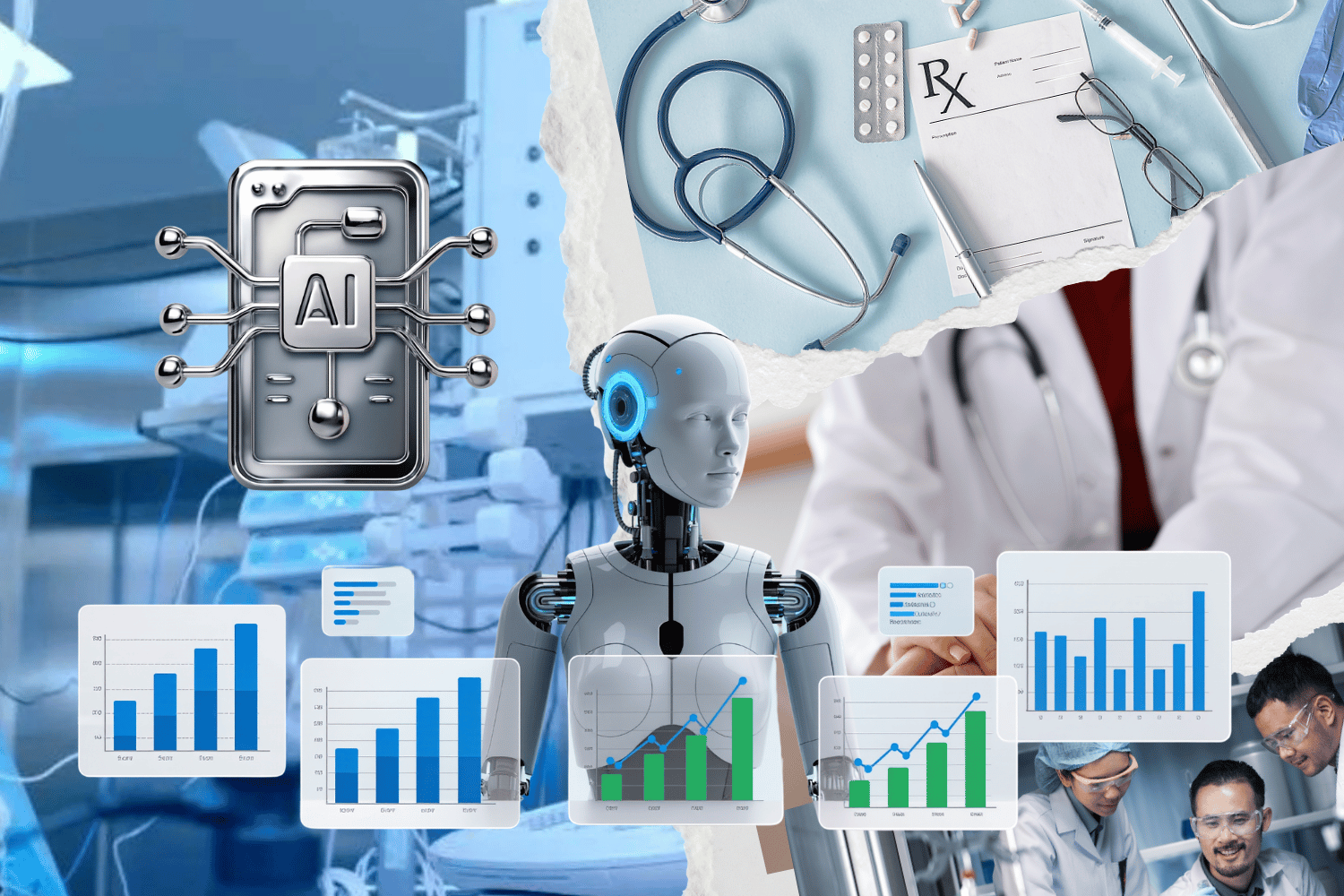
Recently, AI chatbots have been the go-to medical consultant of many Filipinos ever since its steady rise and presence. But despite its low and questionable accuracy, people tend to overtrust medical advice generated from AI based on a 2025 study by Massachusetts Institute of Technology researchers.
Thus, the Department of Health (DOH) and other health practitioners often emphasize to seek professional help instead of relying entirely on AI. But In reality, it’s not a matter of how accurate the information is—it all boils down to convenience and accessibility which says a lot about the Philippine healthcare industry.
Despite legislative changes, healthcare accessibility remains an underlying issue in the country. Shortage of facilities and workers, alleged budget anomalies, and low quality services make AI and even other so-called medical experts in social media the number one source Filipinos can turn to.
The numbers don’t lie. A 2025 study by Ateneo researchers found out that the Philippines’ physician-to-population ratio locks at 7.92 per 10,000 people, as compared to the international standard of 10 per 10,000. In 2021, only 29% of Filipinos are satisfied with public healthcare, lower than the Asia-Pacific average of 61%. Even Australian medical practitioner and content creator Doc Adam pointed out in his book “Quacks,” that professional help remains expensive and inaccessible, and people fall for scams and free digital diagnoses.
While DOH and other health professionals keep on telling people to consult with the appropriate experts, the road to proper healthcare services is still far-off.
Filipinos deserve a healthcare system where a doctor in-the-flesh is just as accessible as an AI chatbot.
Writer, storyteller, explorer... all in one: Rei is in pursuit of tales that offer inspiration and shape different perspectives. Beneath his quiet and reserved persona is an optimistic and carefree soul with a desire to form long-lasting bonds with everyone he meets.