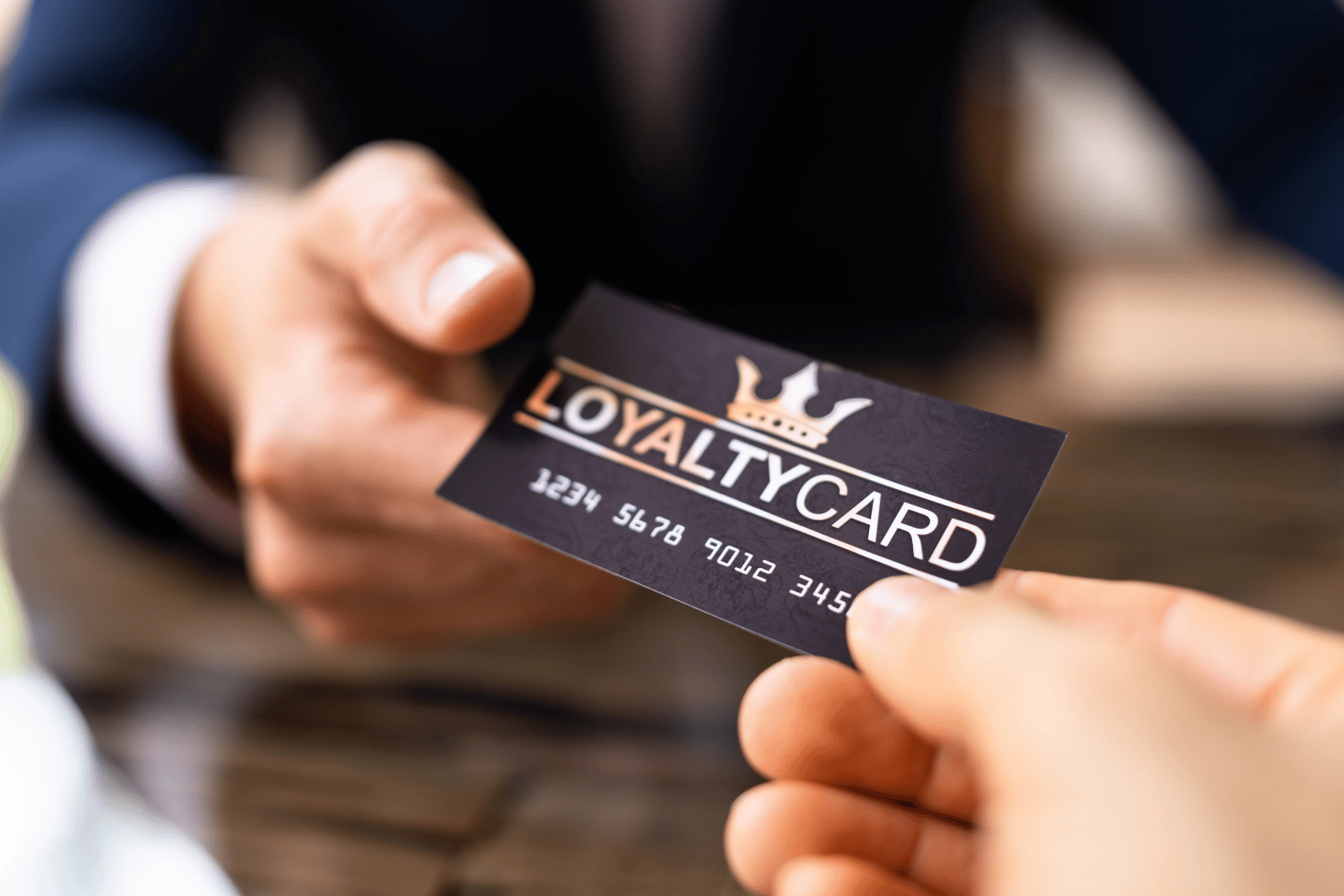
Rewards points, cashback, and exclusive perks may seem like benefits for consumers, but businesses see them as long-term investments in customer retention, spending habits, and lifetime value.
Loyalty programs have become one of the most common features of modern retail.
Coffee shops offer free drinks after a certain number of purchases. Supermarkets award points that can be redeemed for discounts. Airlines promise free flights, while banks, pharmacies, department stores, and e-wallets all encourage customers to earn rewards with every transaction.
On the surface, the arrangement seems simple. Businesses reward customers for coming back.
But there is another reason loyalty programs have become one of the most popular marketing strategies in modern retail. Keeping an existing customer is often far less expensive than finding a new one.
Research cited by Harvard Business Review, based on work by customer loyalty expert Frederick Reichheld of Bain & Company, found that acquiring a new customer can cost five to 25 times more than retaining an existing one. The same research also showed that increasing customer retention by just 5% can increase profits by 25% to 95%, depending on the industry.
Companies spend significant amounts on advertising, promotions, and marketing campaigns to attract first-time buyers. Once someone has already made a purchase, however, the challenge changes. The goal is no longer convincing them to try the brand. It is giving them a reason to return.
Loyalty programs help accomplish exactly that.
Goal-gradient effect
A customer who has accumulated points or is working toward a reward is often more likely to choose the same brand over a competitor. The next purchase is no longer just another transaction. It also brings the customer one step closer to a discount, a free item, or a higher membership tier.
Behavioral economists have long observed what is known as the goal-gradient effect, the tendency for people to increase their effort as they get closer to achieving a reward. Retailers have applied the same principle for years. A customer who needs just one more purchase to earn a free coffee or unlock a voucher may be more inclined to return sooner rather than later.
That makes loyalty programs valuable for reasons beyond the rewards themselves.
They encourage repeat visits, increase customer retention, and create purchasing habits that become difficult to break. Over time, those habits can become more valuable to a business than a single large purchase.
Many companies also look beyond individual transactions and focus on what marketers call customer lifetime value (CLV). Instead of measuring how much a customer spends in a single visit, CLV estimates the total value that customer is expected to generate over the entire relationship with the business. Loyalty programs are designed to increase that value by encouraging customers to return more often, stay with the brand longer, and make repeat purchases over time.
Customer data is valuable
The programs also generate something that has become increasingly important in today’s economy: customer data.
Every transaction linked to a membership account gives businesses a better understanding of what customers buy, how often they shop, how much they spend, and which promotions are most effective. Those insights help companies design more personalized offers, improve inventory planning, and make marketing campaigns more efficient.
For many companies, that information can be just as valuable as the sale itself. Understanding how frequently customers return, which products they buy together, and how they respond to promotions allows businesses to refine pricing strategies, improve product assortments, and tailor future offers more effectively.
In other words, the loyalty card is no longer just a loyalty card.
It has become one of a company’s most valuable sources of business intelligence.
That helps explain why loyalty programs continue expanding even as the rewards themselves become more modest. For many companies, the long-term value lies less in giving away a free product than in strengthening customer relationships over months or even years.
None of this means consumers should avoid joining loyalty programs. For people who already shop regularly at the same stores, the rewards can provide genuine value. Points, discounts, cashback, and exclusive offers can lead to meaningful savings over time.
The important thing is understanding what loyalty programs are designed to do.
They are not simply rewarding loyal customers.
They are encouraging customers to return, spend again, and build habits that benefit the business long after the reward has been redeemed.
READ:

House bill seeks 20% discount on mobile load, internet services for students
Justin Aquino
June 22, 2026

Low brand loyalty fuels EV interest in PH
radar Business
May 22, 2026

Huge discounts on school supplies await you on these legacy paper shops in Binondo
Walter C. Villa
June 1, 2026