A mix of location, postwar development, student demand, and a landmark Supreme Court ruling helped turn this Manila district into the country’s most famous motel hub.
When couples need a place where no one will ask too many questions, one place has long been part of the conversation: Sta. Mesa.
Whether it’s a husband and wife looking for a quick escape from a crowded household, college sweethearts searching for privacy, or lovers trying to stay out of sight, generations of Filipinos have associated the district with one thing—motels.
The neighborhood that became “motel row”
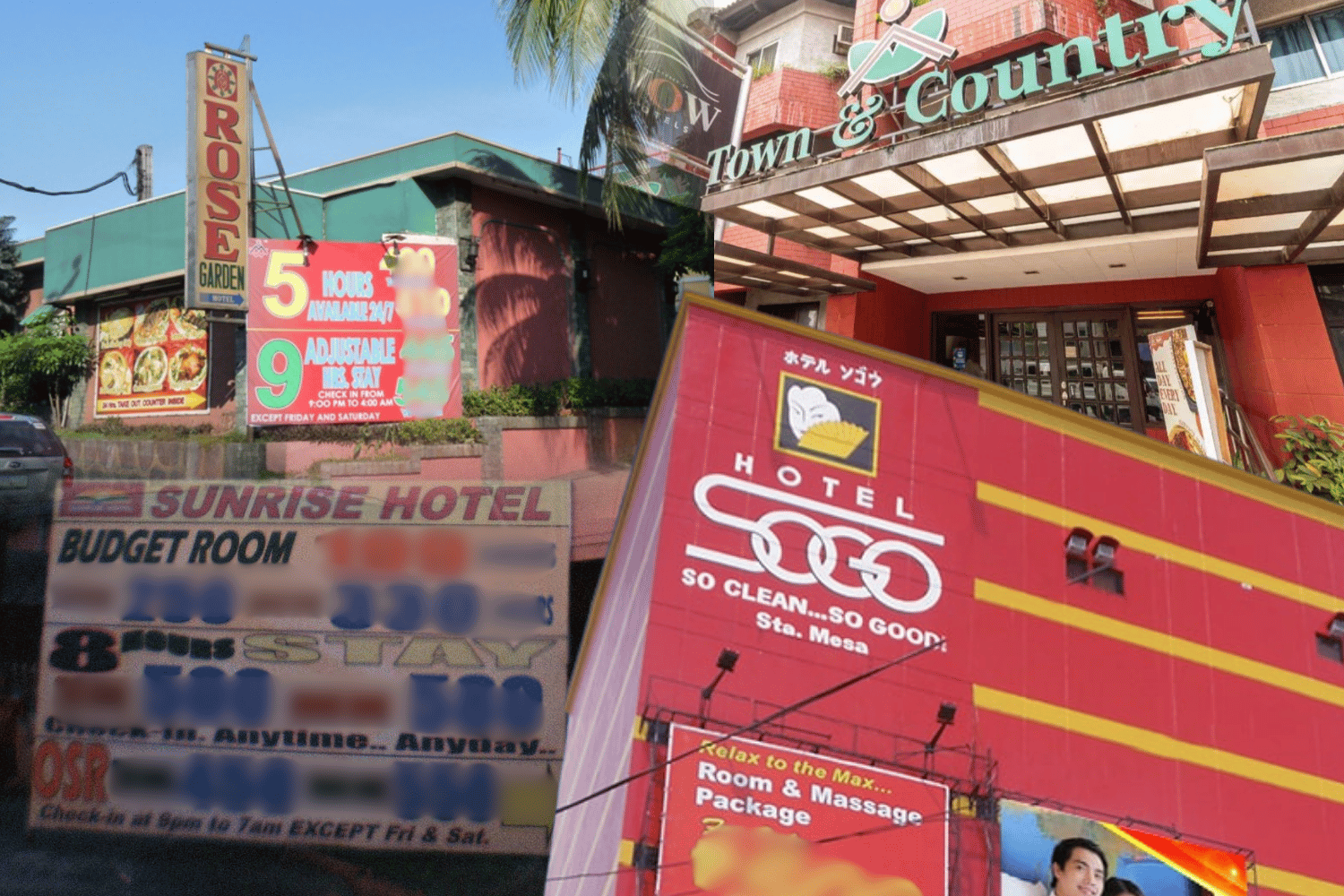
For decades, a relatively short stretch of roads around V. Mapa, Old Sta. Mesa, Valenzuela, and Reposo streets earned a reputation unlike any other in the country. Packed with brightly lit signs advertising three-hour, five-hour, or overnight stays, the area eventually became known as the Philippines’ “motel capital.”
It wasn’t an accident.
Location was everything
The biggest reason was geography.
Sta. Mesa sits at the meeting point of Manila, Quezon City, and San Juan. Long before ride-hailing apps and GPS, it was already one of Metro Manila’s easiest places to reach from almost anywhere. That central location made it convenient for people coming from different cities—and discreet enough that visitors were less likely to run into neighbors or acquaintances.
From suburb to short-stay hub
Its transformation accelerated after World War II.
Originally a suburban district favored by affluent families escaping old Manila’s congestion, Sta. Mesa gradually became a busy commercial center. The rise of the famous Stop & Shop market in the 1950s drew shoppers from across Metro Manila, while increasing car ownership created demand for roadside accommodations.
Inspired by American drive-in hotels, entrepreneurs built lodges where motorists could park directly beside their rooms, often hidden behind garage doors. Privacy quickly became the biggest selling point, and many of these establishments eventually shifted toward short-stay accommodations.
The student market changed everything
Then came the students.
Sta. Mesa borders Manila’s University Belt and hosts the sprawling campus of the Polytechnic University of the Philippines (PUP). Thousands of students lived in dormitories, boarding houses, or shared apartments where personal space was almost nonexistent.
The demand for affordable, private rooms created a steady stream of customers. Motel operators responded by offering budget-friendly short stays that appealed not just to couples but also to travelers, workers needing rest, and students looking for temporary privacy.
The motel wars
Competition soon exploded.
Hospitality companies clustered along the same few streets, turning the neighborhood into what many dubbed “Motel Row.” Establishments competed through lower rates, themed rooms, colorful neon signs, and increasingly creative marketing. Within just a few blocks, customers could choose from dozens of options.
The Supreme Court saved the industry
The area’s identity became so closely tied to motels that it eventually sparked a political and legal battle.
In 1992, then-Manila Mayor Alfredo Lim pushed an ordinance banning short-stay motel operations as part of a campaign to improve public morality and clean up the district’s image. Motel owners fought back, arguing that they were operating legitimate businesses.
The dispute reached the Supreme Court in the landmark case White Light Corp. v. City of Manila. The Court ultimately ruled that the city could not prohibit lawful businesses simply because of assumptions about how customers might use them, effectively allowing the industry’s continued operation.
A reputation that endures
More than half a century after the first drive-in motels appeared, Sta. Mesa remains one of the country’s most recognizable motel districts.
Today, newer hotel chains, online booking platforms, and changing travel habits have reshaped the hospitality business. But for many Filipinos, mention Sta. Mesa, and one image still comes to mind: a neighborhood whose unique mix of location, history, commerce, and culture turned it into the undisputed motel capital of the Philippines.
READ:

Kabayan Hotel’s 25th anniversary offers lessons in purpose, resilience, and smart positioning
Kenneth M. del Rosario
March 16, 2026
Sicogon’s luxury tourism dream grinds to a halt as hotels, villas, and airport shut down
radar Business
June 26, 2026
Heritage Hotel rebrands as Millennium Heritage as SEC acknowledges name change
Kiara Gorrospe
July 24, 2026