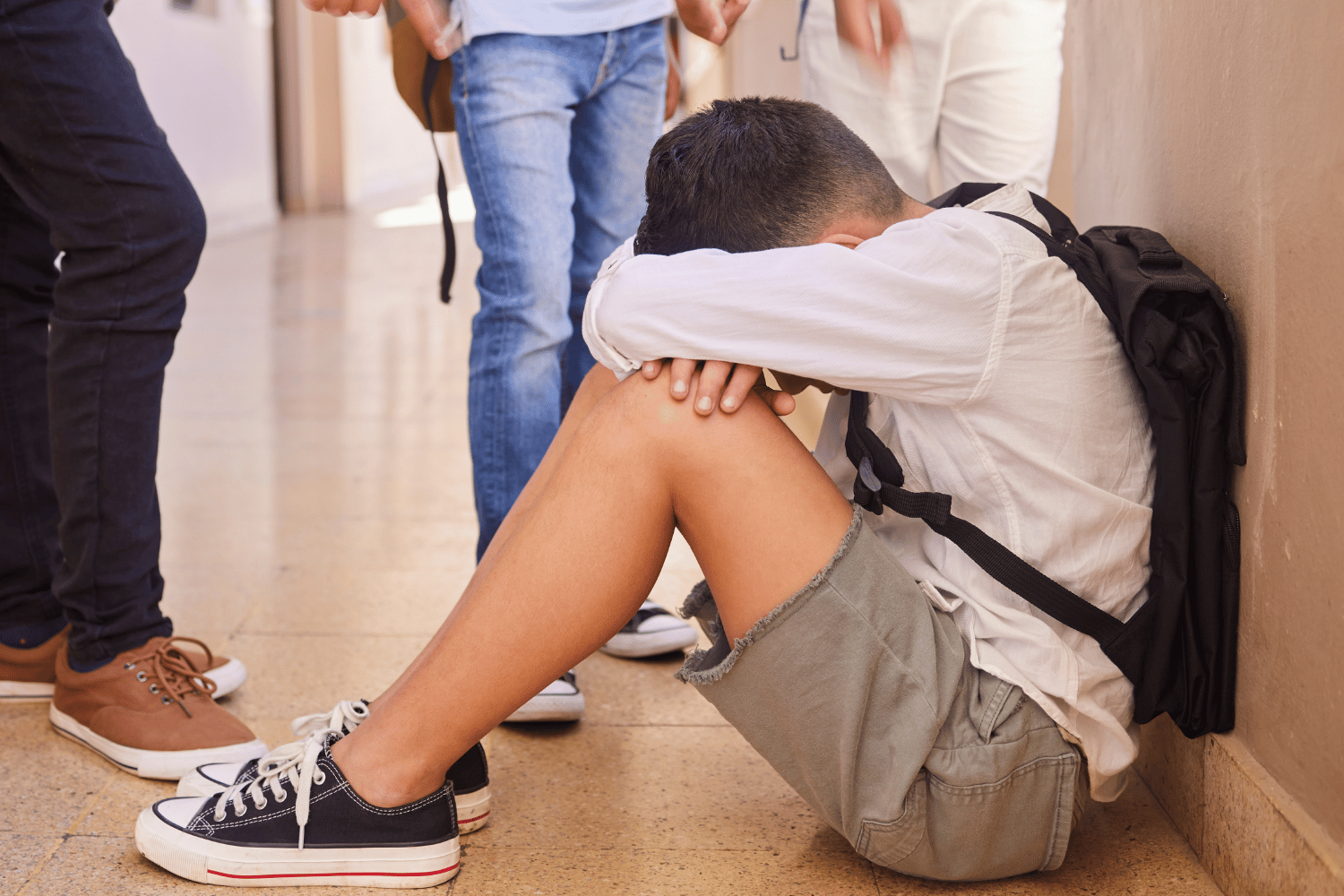
Historically, many schools downplay bullying cases to maintain a polished image and clean track record.
Trigger warning: Mentions of suicide and self-harm
Tragedy struck a Quezon City public high school when a first-year student with a neurological condition took his own life by leaping from the fourth floor, allegedly caused by excessive bullying from schoolmates last week. As his mother fights the weight of grief to seek justice for school negligence, this child’s life becomes another case file in a country that claims to be the friendliest in the world yet remains the bullying capital of Asia.
According to the Organisation for Economic Co-operation and Development Programme for International Student Assessment report in 2022, which comprises 80 countries worldwide, “one in three Filipino students reported experiencing bullying at school at least once a week.”
In this study, bullying is defined as unwanted, aggressive behavior characterized by a power imbalance (real or perceived) and repetition (occurring multiple times). It can be categorized as relational, being left out on purpose or nasty rumors; verbal, others making fun of the victim; physical, being hit or pushed; and extortion, others taking away or destroying the victim’s things.
The Second Congressional Commission on Education (EDCOM 2) highlights why the cycle continues, especially in public schools, where there’s an overwhelming guidance counselor gap with a 79% vacancy rate. In many regions, one counselor is responsible for over 5,000 students. There is also a very low resolution rate: between November 2022 and July 2024, only 11% of formally reported cases were actually resolved.
On top of the victims’ physical, emotional, and mental toil, there’s also an academic impact; EDCOM II noted that bullied students score 41 points lower in math and 52 points lower in science.
The most chilling finding from EDCOM II is the underreporting. Many schools historically downplay bullying cases to maintain a polished image and clean track record. When a school prioritizes its branding over a student’s safety, they aren’t just negligent; they’re complicit.
Stricter laws and harsher punishments are only band-aids on a systemic wound. Until we speak up and start holding school administrations accountable for their silence, tragedies like the one in Quezon City will remain unresolved statistics.
READ: