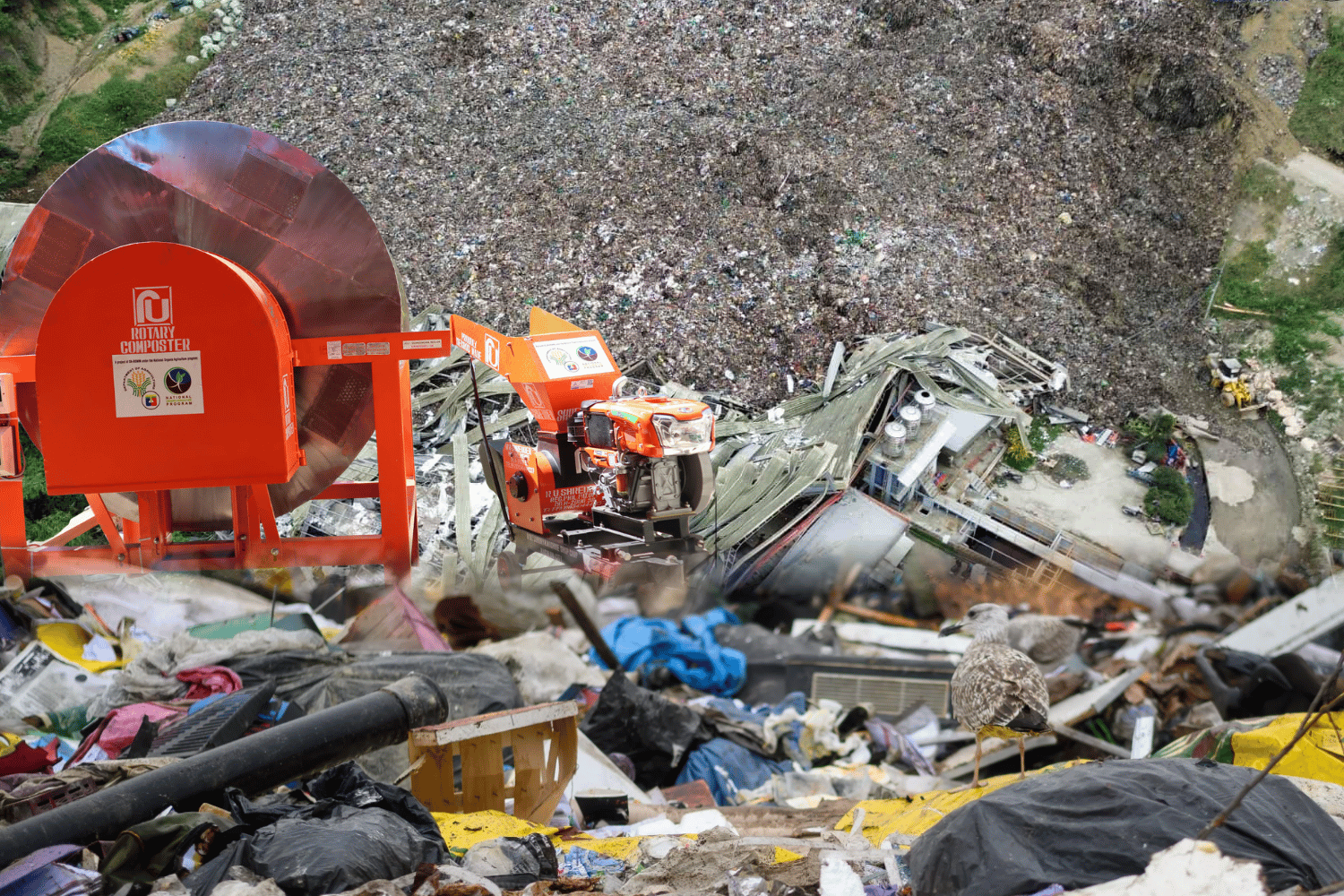
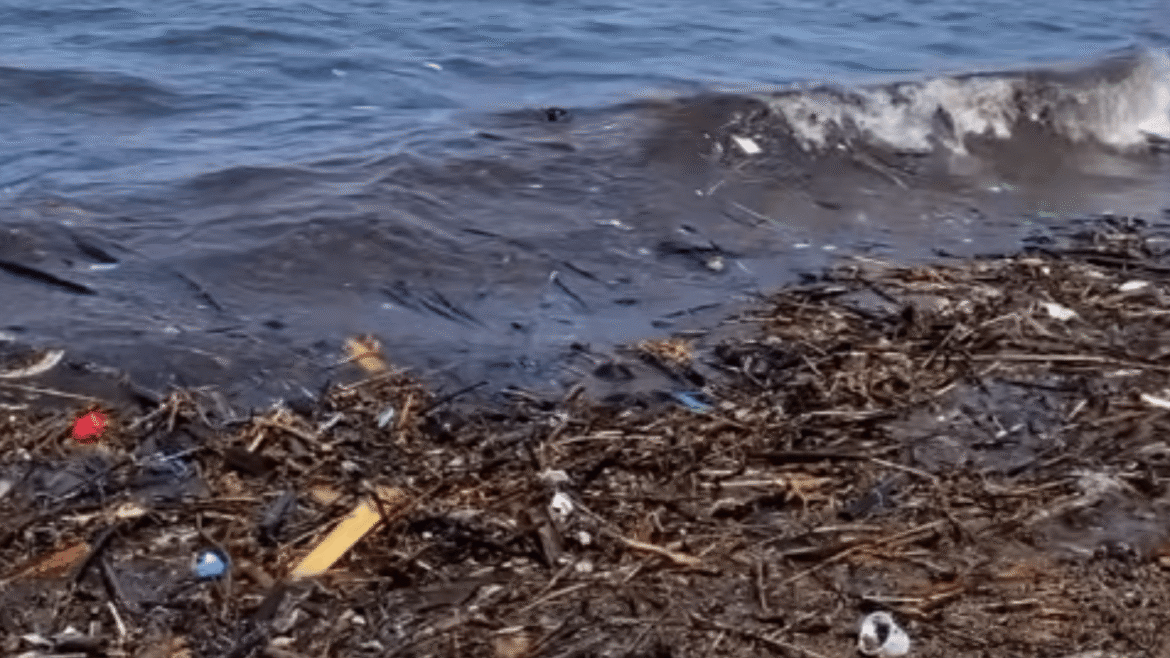
These shredders may just be another expensive, temporary patch. Photos by Bureau of Fire Protection - 7 & Philippine Information Agency
Will waste shredders solve Cebu City’s garbage crisis?
Following the Binaliw landfill collapse that claimed 36 lives on January 8, the Cebu City government is turning its heads toward a “Barangay-level Zero Waste” model to solve the waste management crisis. Mayor Nestor Archival mandated that 80 barangays must have industrial waste shredders from an allocated budget of ₱8 million per barangay. Through processing biodegradable waste into compost, the city can reduce its average 600-tons of daily waste and save over ₱600,000 a day in hauling fees.
While the initiative may sound like a permanent solution, these shredders may just be another expensive, temporary patch if the city ignores the maintenance costs. Previous administrations have seen the same equipment unusable due to high electricity costs and lack of technical staff. Without a dedicated, long-term fund for repairs and operator salaries, these ₱8 million machines risk becoming just scrap metal rather than a practical solution.
The initiative’s success also rests on Cebu City locals to follow the new policy, “No Segregation, No Collection,” to be strictly implemented in March. As February starts, residents must now practice sorting their garbage or face heavy fines ranging from ₱1,000 to ₱5,000.
The local government continues to conduct extensive audits to map out sustainable solutions for public health and the environment, but unless maintenance costs for shredders and the active participation of residents are observed, the road to a truly sustainable Cebu City is still far from reach.
Writer, storyteller, explorer... all in one: Rei is in pursuit of tales that offer inspiration and shape different perspectives. Beneath his quiet and reserved persona is an optimistic and carefree soul with a desire to form long-lasting bonds with everyone he meets.