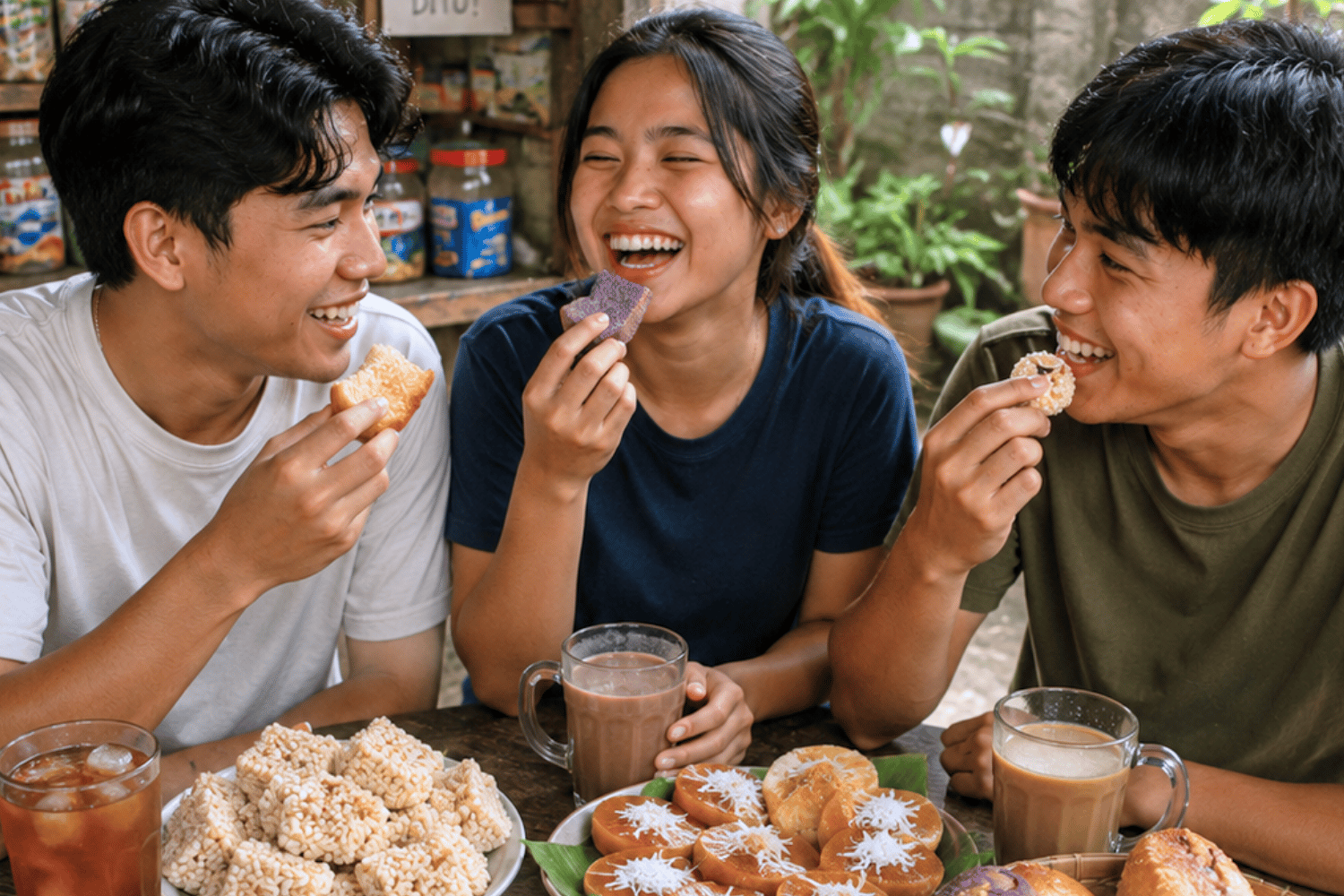
Merienda is a social ritual shared with family, classmates, friends, and co-workers.
It’s 3 PM at the office. Someone suddenly asks, “Merienda tayo?” Minutes later, the table is filled with chips, bread, turon, fish balls, or instant noodles—even though lunch wasn’t that long ago.
For many Filipinos, snacking isn’t just a habit. It’s part of everyday life.
And now, studies suggest that the Philippines may be the biggest nation of snackers in Southeast Asia.
A regional consumer report found that 98% of Filipino adults eat at least one snack every day, giving the Philippines the highest daily snacking rate in ASEAN. The figure comes from the 2024 State of Philippine Snacking Report, conducted by The Harris Poll on behalf of Mondelēz International, and was later compiled into a regional ranking by Seasia Stats using market data from Kantar Worldpanel, NielsenIQ, and Mintel Southeast Asia Consumer Database.
The Philippines also surpassed the global average of 91% of adults who snack daily.
Vietnam ranked second with 95%, followed by Indonesia at 77%, Malaysia at 72%, Singapore at 70%, Brunei at 68%, Myanmar at 65%, Timor-Leste at 61%, Cambodia at 60%, Laos at 58%, and Thailand at 55%.
Researchers and food industry analysts attribute the Philippines’ exceptionally high ranking to the country’s deeply rooted merienda culture influenced by the Spanish.
Unlike many countries that focus mainly on three meals a day, Filipinos have long embraced designated snack breaks between breakfast and lunch or between lunch and dinner. Merienda has become more than just eating between meals—it’s a social ritual shared with family, classmates, friends, and co-workers.
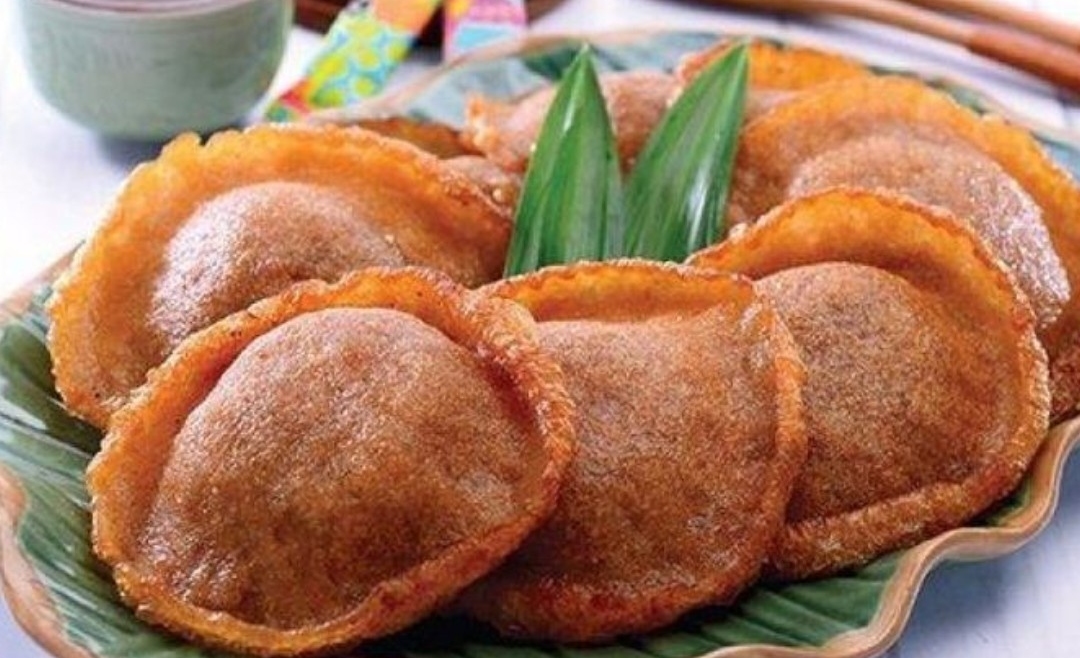
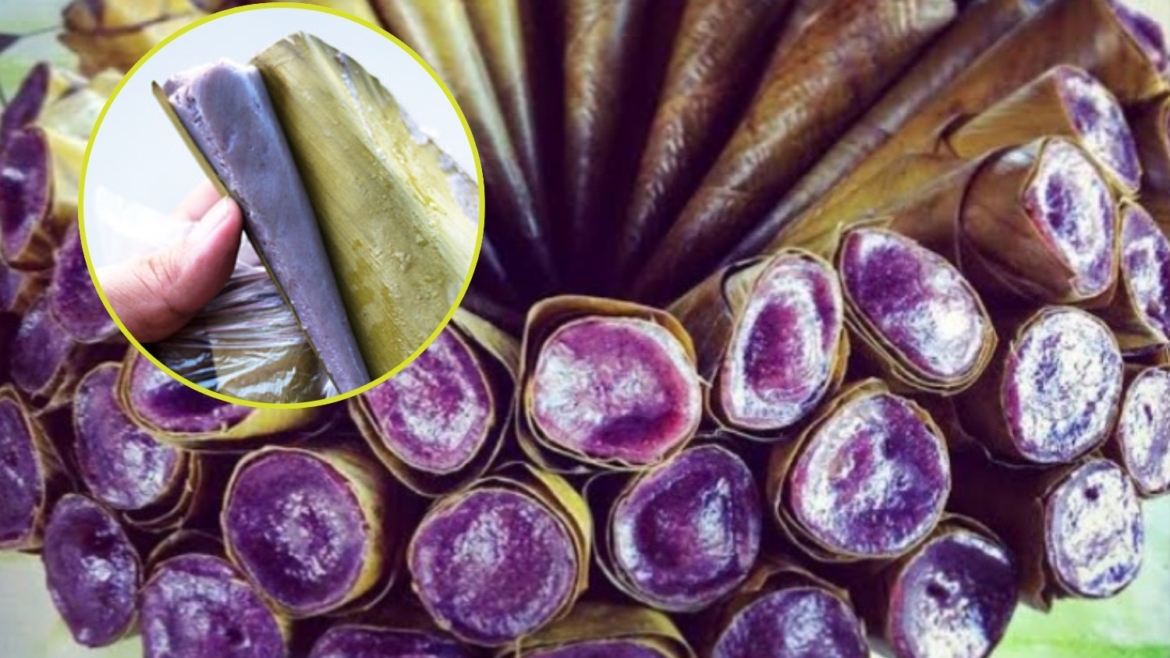
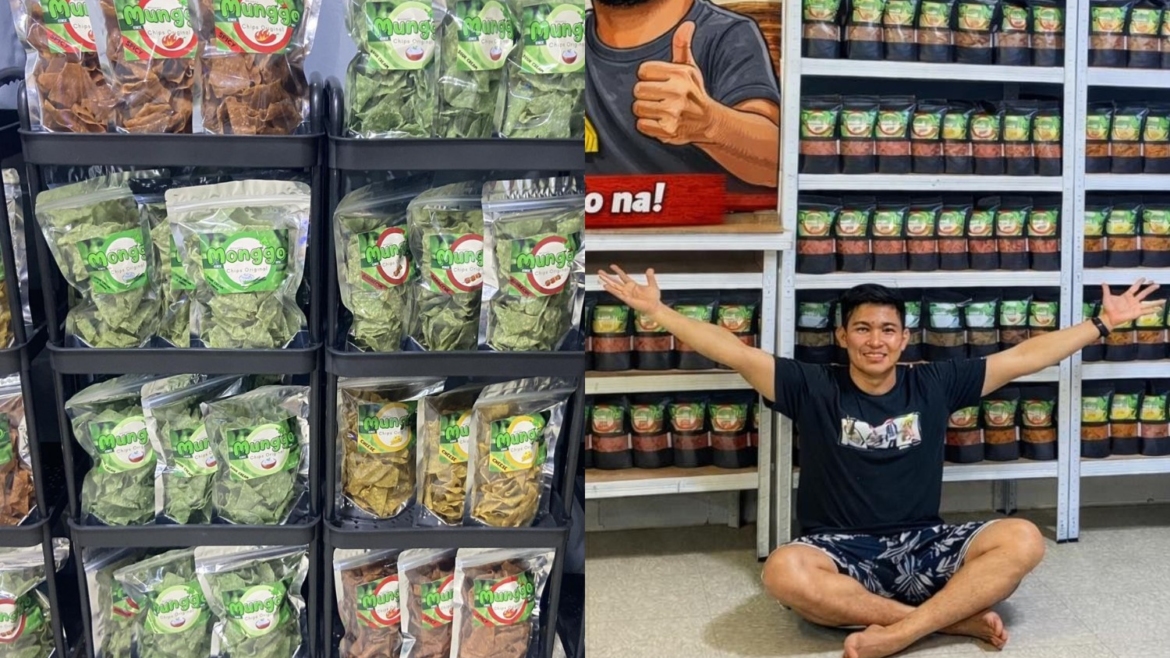
That tradition has also given rise to one of the region’s most diverse snacking cultures. Whether it’s fish balls, kwek-kwek, banana cue, turon, pandesal, biscuits, chips, pastries, sandwiches, or instant noodles, snacks are readily available almost everywhere—from street corners and sari-sari stores to offices, schools, malls, and convenience stores.
The same research found that many Filipinos snack not only to satisfy hunger but also to recharge during work, reward themselves after a busy day, or simply enjoy a moment of relaxation with others.
The findings confirm what many Filipinos have always known from experience: in the Philippines, a day rarely passes without merienda. For millions, it’s as much a part of daily life as breakfast, lunch, and dinner.
READ: