The backlash prompted broader questions about why online mourning can evolve this way.
More than a month after Ateneo basketball player Rene Baterbonia’s death, what began as nationwide mourning has evolved into AI-generated edits, themed merchandise, saint-like tributes, and growing debate over whether admiration has gone too far.
On June 8, Baterbonia, 18, and his teammate Divine Adili, 21, lost their lives in a team-building tragedy in Dipaculao, Aurora.
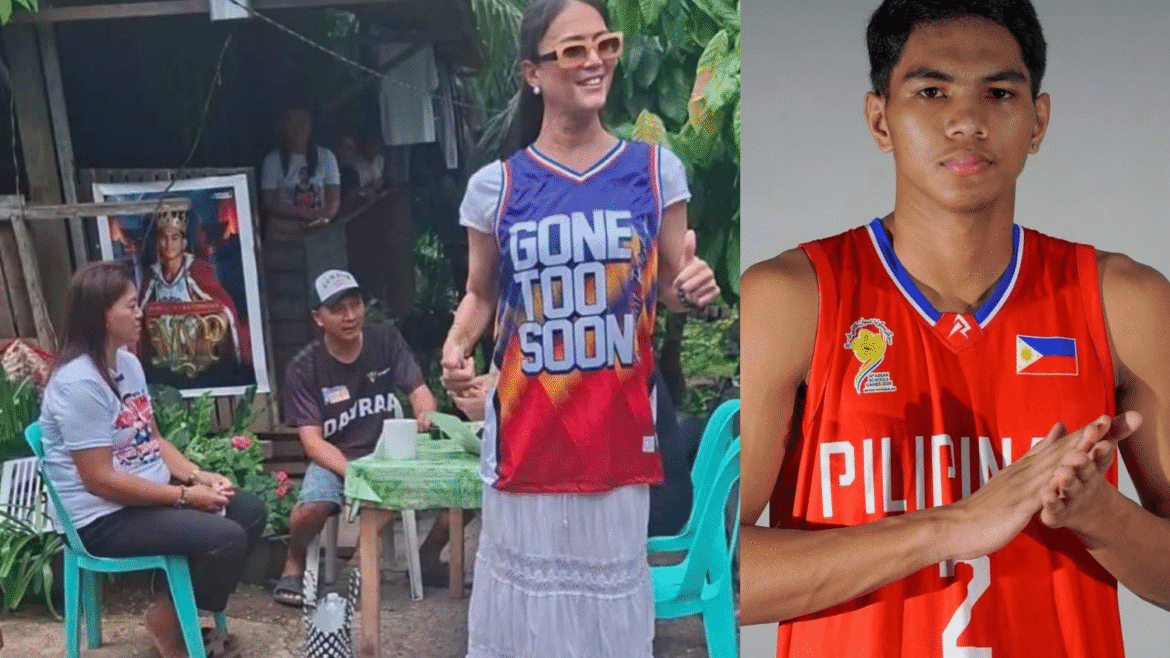
In the days that followed, public attention centered on grief, calls for justice, and demands for accountability over the university’s alleged lack of correspondence with the victims’ families. Tributes flooded social media as Filipinos mourned the young athlete.
Over time, however, those tributes expanded beyond remembrance.
Among the earliest shifts were posts that invited people to participate in Baterbonia’s memory rather than simply remember him. AI-generated images depicting users as Baterbonia’s romantic partner—or even having children with him—began circulating online.
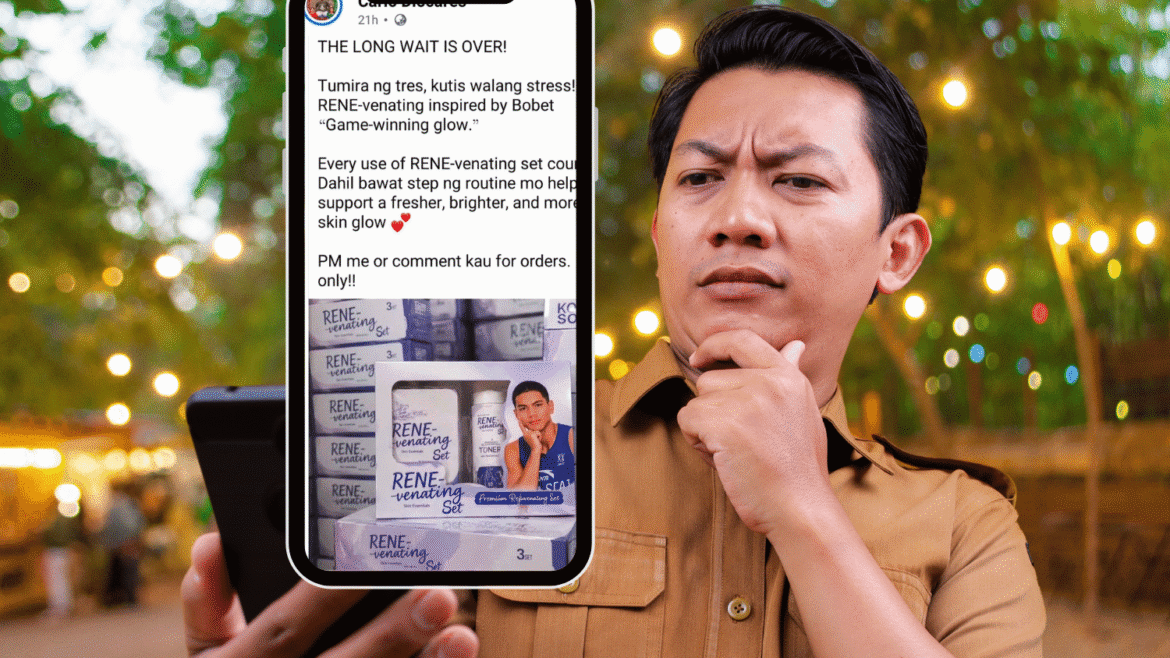
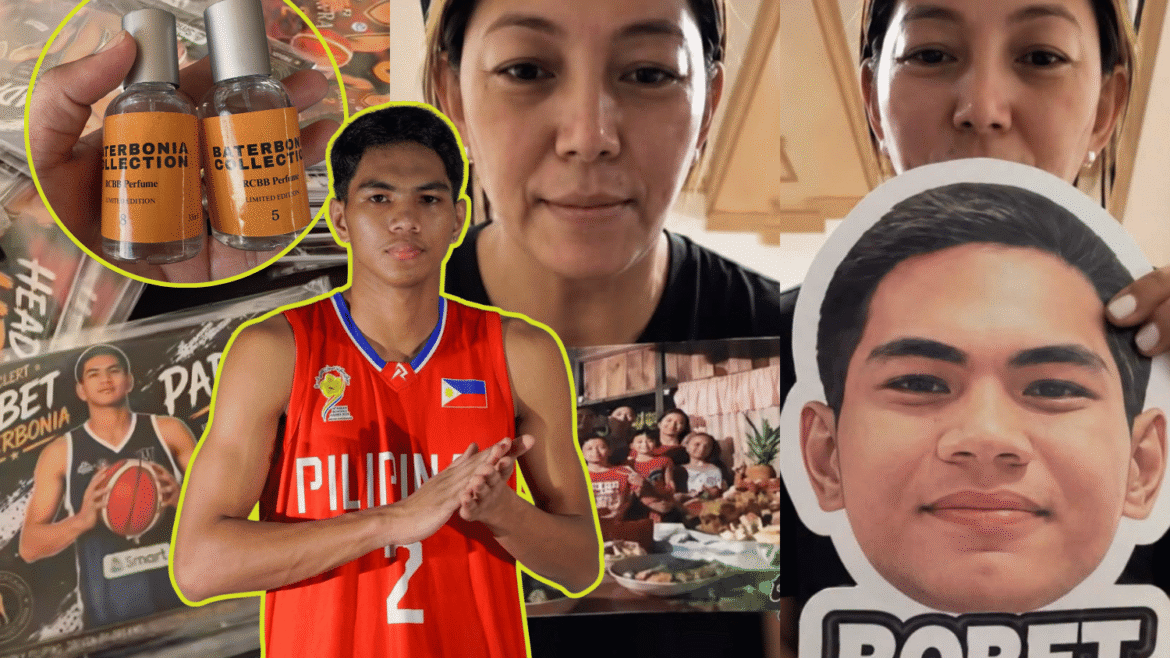
Themed skincare, perfume, peanut butter, and other merchandise also followed.
Others said they would name future children after the athlete, while some portrayed him with seemingly religious imagery.
The displays of devotion soon became even more symbolic. A Butuan-based artist created a life-sized, hyperrealistic sculpture of Baterbonia wearing a jersey bearing his motto, “Just a kid with a big dream.” The artist also documented a supporter shaving his head to place real hair onto the sculpture.
Videos later surfaced showing supporters wiping the sculpture and making the sign of the cross before it. Some users even suggested replacing the Rizal Monument in Luneta with the sculpture, prompting criticism over what many viewed as increasingly excessive displays of devotion.
As these tributes became more elaborate, they also drew scrutiny. Alongside the proliferation of Baterbonia-themed products, users questioned whether grief had become marketable, while terms such as “fanaticism” and “cult-like” repeatedly surfaced across discussions.
The attention also extended to those around Baterbonia. Netizens observed that his siblings were increasingly being treated like celebrities, while supporters continued gathering outside the family’s residence. Videos of visitors led some users to compare the home to a memorial site, while critics likened it to a tourist attraction.
The family’s own commemorative merchandise also drew mixed reactions. After they began offering items such as refrigerator magnets featuring Baterbonia and family portraits, many supporters saw the products as a way to honor his memory while helping the family financially. Others questioned the growing commercialization surrounding his image.
The intensity of the fandom also spilled into online communities. In some Facebook support groups, members targeted Baterbonia’s fellow Ateneo teammates, engaged in heated arguments, and became increasingly defensive toward criticism.
Some users also claimed that he remained his family’s “breadwinner” even after his passing, while others argued that such remarks had unfairly turned the backlash toward the family.
As debates intensified, many users urged others to “let his soul rest and seek proper justice,” warning against what they viewed as idolatry. Others argued that the growing spectacle was beginning to overshadow Baterbonia’s legacy as an athlete.
The backlash also prompted broader questions about why online mourning can evolve this way. While some users pointed to psychological concepts such as parasocial grief, others looked to internet culture itself, citing AI tools that make participation easier and social media platforms that reward visible displays of engagement.
More than a month after Baterbonia’s death, the conversation has shifted from remembering a young athlete to examining the culture that has formed around his memory—raising questions about where remembrance ends and obsession begins.
READ: