There was always one growing somewhere along the walk to school.
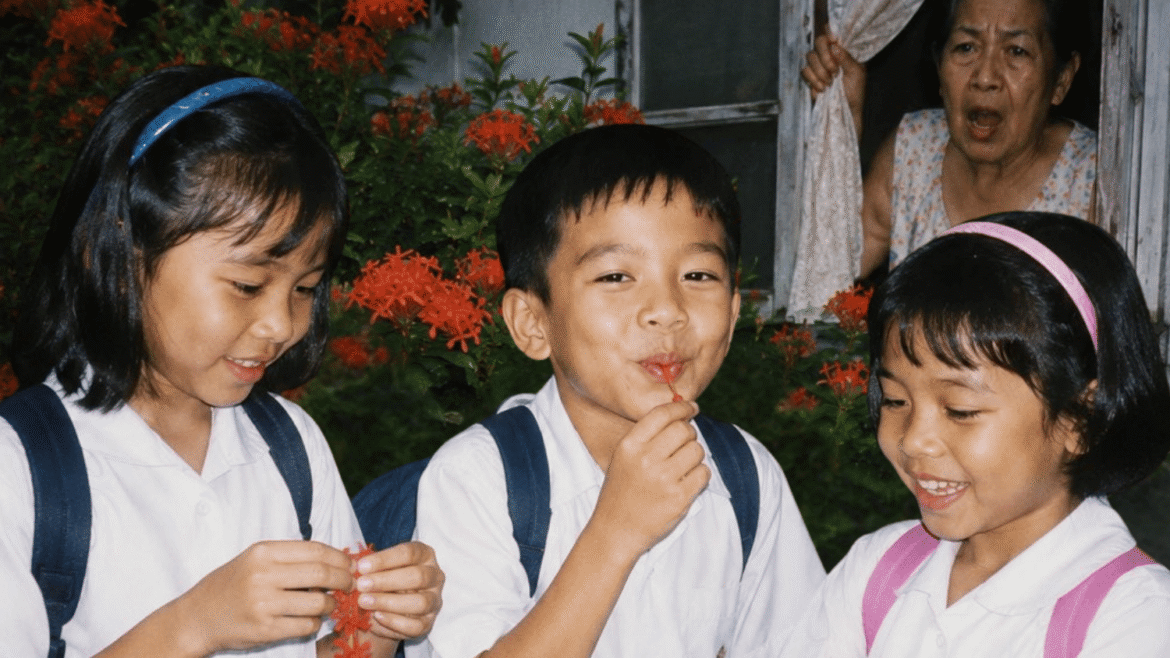
Maybe it climbed over a rusty fence, sprawled across a roadside ditch, or tangled itself around a clump of wild grass. The moment someone spotted a ripe maria-maria, school bags were dropped, uniforms got dirty, and a quick detour became part of the morning routine.
For generations of Filipino children who grew up in the provinces, the maria-maria wasn’t just another wild fruit. It was a tiny adventure wrapped in one of the most exotic-looking packages nature has ever designed.
Nature’s little masterpiece
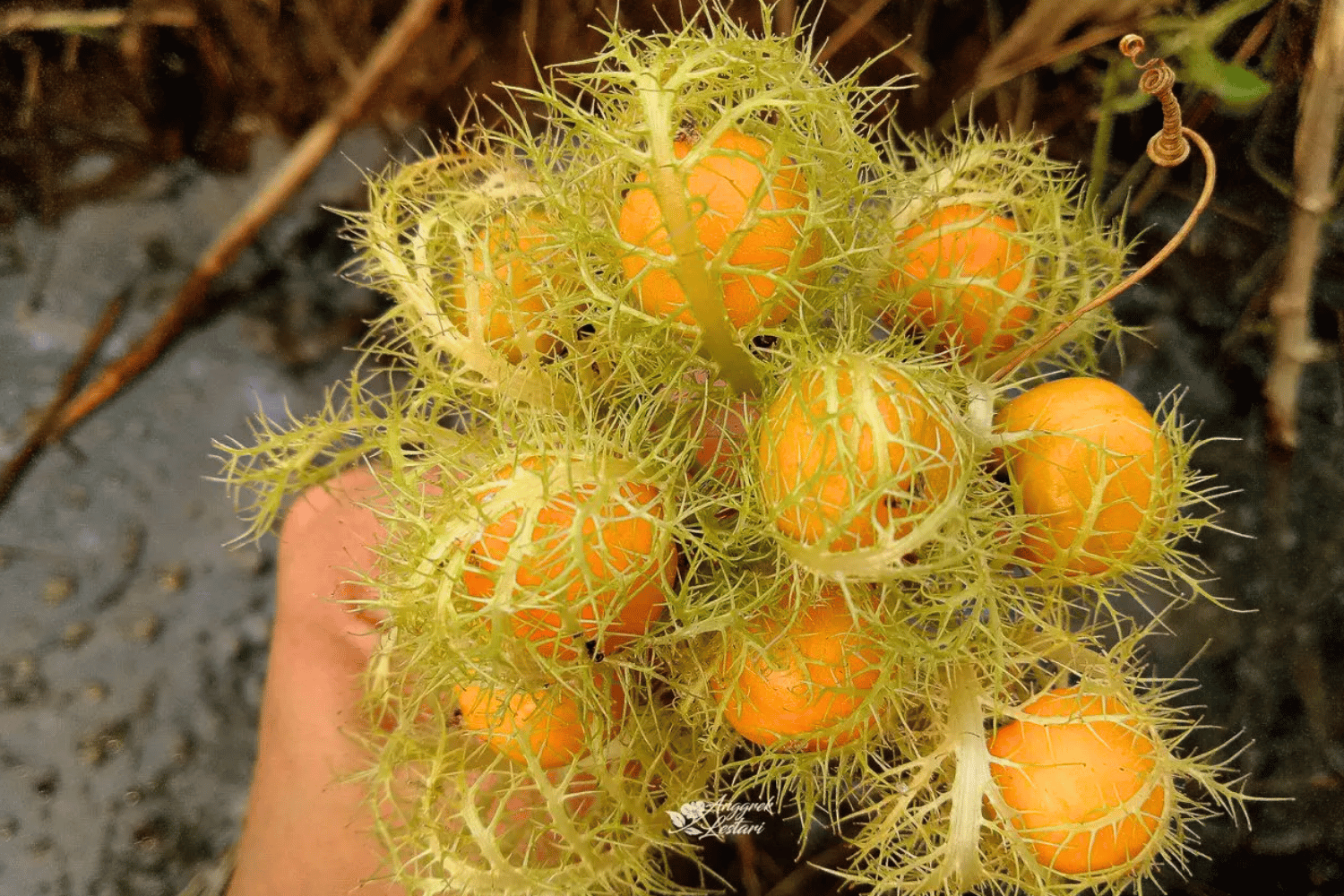
Known scientifically as Passiflora foetida, the maria-maria is a wild passion fruit vine found throughout the Philippines. But unlike ordinary fruits, it looks almost extraterrestrial.
Each fruit is enclosed inside a delicate green cage made of fine, thread-like leaves that resemble lace or a miniature bird’s nest. Covered in tiny sticky hairs, the intricate wrapping protects the fruit from insects while making it look more like an ornament than something edible.
Children often found themselves admiring the fruit before even tasting it.
Peel away the green cage and a bright orange berry appears. Crack it open and you’ll find translucent jelly-like pulp dotted with tiny black seeds, offering a mildly sweet flavor similar to passion fruit.
A taste of the provinces
Maria-maria was never sold in grocery stores or fruit stalls.
It simply grew wherever nature allowed—along rice fields, vacant lots, forest edges, and roadsides. Every child eventually learned where the vines appeared after the rainy season, turning ordinary walks into treasure hunts.
Across the country, the fruit goes by many names, including kurumbot, utot-utot, santo papa, katkatiwit, and balabalecua, reflecting just how deeply rooted it is in rural life.
Pick only when ripe
As familiar as the fruit was, elders always reminded children of one important rule: never eat it while it’s green.
Only fully ripe fruits—those that have turned bright orange or yellow—are safe to eat. The unripe fruit, along with the leaves and vines, naturally contains compounds that can release cyanide and may be toxic if consumed.
It was one of those pieces of countryside wisdom passed from one generation to the next.
A childhood memory still growing wild
Today, many Filipinos raised in cities have never encountered a maria-maria.
Yet for countless people who grew up in rural towns, the sight of its delicate green cage instantly brings back memories of dusty roads, long walks to school, and the excitement of discovering nature’s own hidden snack.
Long before exotic fruits became trendy, the maria-maria had already been quietly proving that some of the most fascinating things in the Philippines were growing wild right beside the road.
READ: