Most bouts of sinok can be managed at home.
You’re about to deliver a presentation at work, answer a question in class, or enjoy a quiet dinner when an unexpected bout of sinok suddenly interrupts you. You pause, hoping it will disappear on its own, but it keeps coming back. Before long, everyone around you has a different remedy to offer—from drinking water to swallowing sugar or asking someone to startle you.
The good news is that most cases of sinok are harmless and disappear within a few minutes. But if you want to stop them sooner, there are a few remedies backed by science that are worth trying. And if they refuse to go away, your body may be telling you that something more serious is going on.
What is sinok?
Sinok, medically known as singultus, is an involuntary spasm of the diaphragm—the large muscle beneath your lungs that helps you breathe. When the diaphragm suddenly contracts, your vocal cords snap shut, producing the familiar sound associated with hiccups.
Most episodes are triggered by something that temporarily irritates the diaphragm or the nerves connected to it. Common culprits include eating too quickly, overeating, drinking carbonated beverages, consuming spicy food, swallowing too much air, or even becoming overly excited or stressed.
What you should do
Fortunately, most bouts of sinok can be managed at home.
The simplest remedy is to hold your breath for about 10 to 20 seconds before slowly breathing out. This increases carbon dioxide levels in the blood, helping relax the diaphragm and interrupt the hiccup reflex.
Another option is to slowly drink a glass of ice-cold water. The sudden cold temperature may stimulate the vagus nerve, which plays an important role in controlling the diaphragm.
You can also sit down and gently pull your knees toward your chest for several seconds. This slightly compresses the diaphragm and may stop the spasms.
Another commonly recommended remedy is swallowing a teaspoon of granulated sugar. The rough texture is believed to stimulate nerves at the back of the throat, disrupting the hiccup cycle. While it does not work for everyone, some studies suggest it may help.
Does scaring someone really work?
One of the oldest Filipino remedies is asking someone to suddenly frighten the person with sinok.
It occasionally appears to work because the surprise changes breathing patterns and briefly distracts the nervous system. However, doctors do not consider it a reliable treatment, and deliberately startling someone—especially children, older adults, pregnant women, or people with heart conditions—is generally not recommended.
How to prevent sinok
If you experience hiccups frequently, the best solution may be avoiding the triggers that cause them.
Eat more slowly, avoid overeating, limit carbonated drinks, reduce alcohol intake, and avoid suddenly switching between very hot and very cold food or beverages. These simple habits can reduce irritation of the diaphragm and digestive tract.
When to see a doctor
Most cases disappear within minutes and require no treatment.
However, if your sinok lasts longer than 48 hours, repeatedly comes back without an obvious reason, or begins affecting your sleep, eating, or breathing, it’s time to consult a doctor.
Persistent hiccups can sometimes be linked to acid reflux, nerve irritation, stroke, brain disorders, kidney disease, diabetes, or other medical conditions. Doctors may prescribe medications such as chlorpromazine, baclofen, or metoclopramide to stop prolonged episodes while treating the underlying cause.
Seek emergency medical care immediately if hiccups are accompanied by chest pain, difficulty breathing or swallowing, facial drooping, weakness on one side of the body, slurred speech, or sudden confusion, as these may signal a more serious medical emergency.
For most people, though, sinok is simply an annoying interruption that disappears as suddenly as it began. So the next time it strikes, skip the panic—and instead try one of the simple, science-backed remedies before letting your friends argue over whose home cure works best.
READ:
Everyone seems to be getting sick lately
radar Lifestyle
June 28, 2026
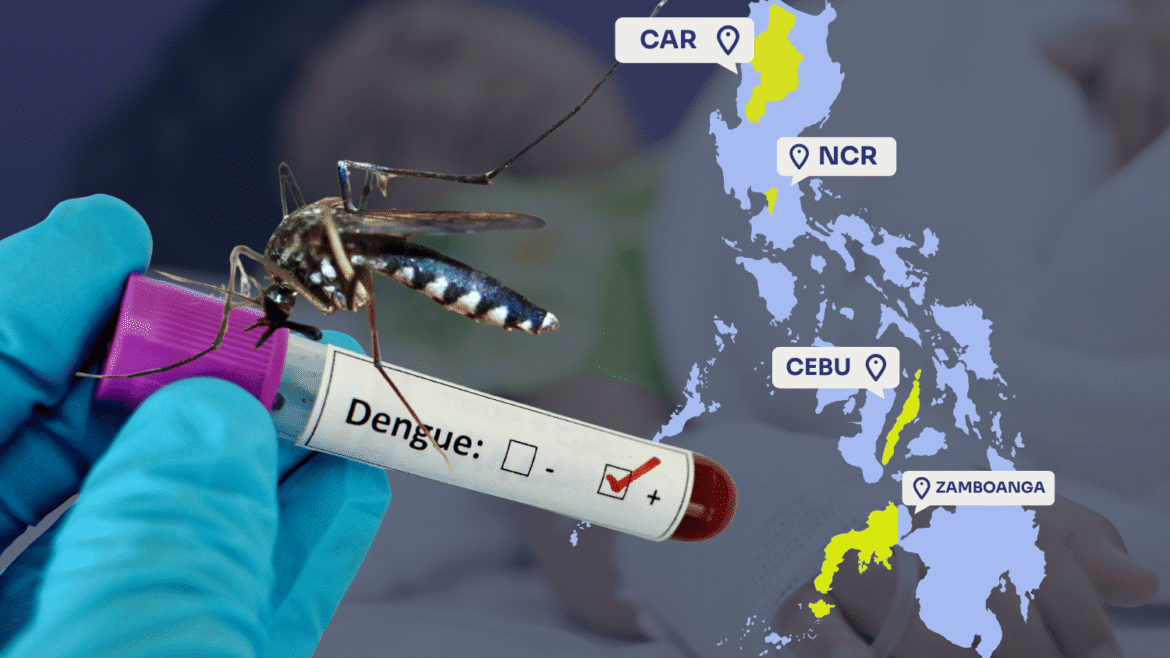
Cebu, Zamboanga, NCR, and CAR among PH’s dengue hot spots
Top Dagohoy
August 3, 2026
PIDS warns parents as chikungunya cases rise in parts of Samar
Top Dagohoy
July 27, 2026