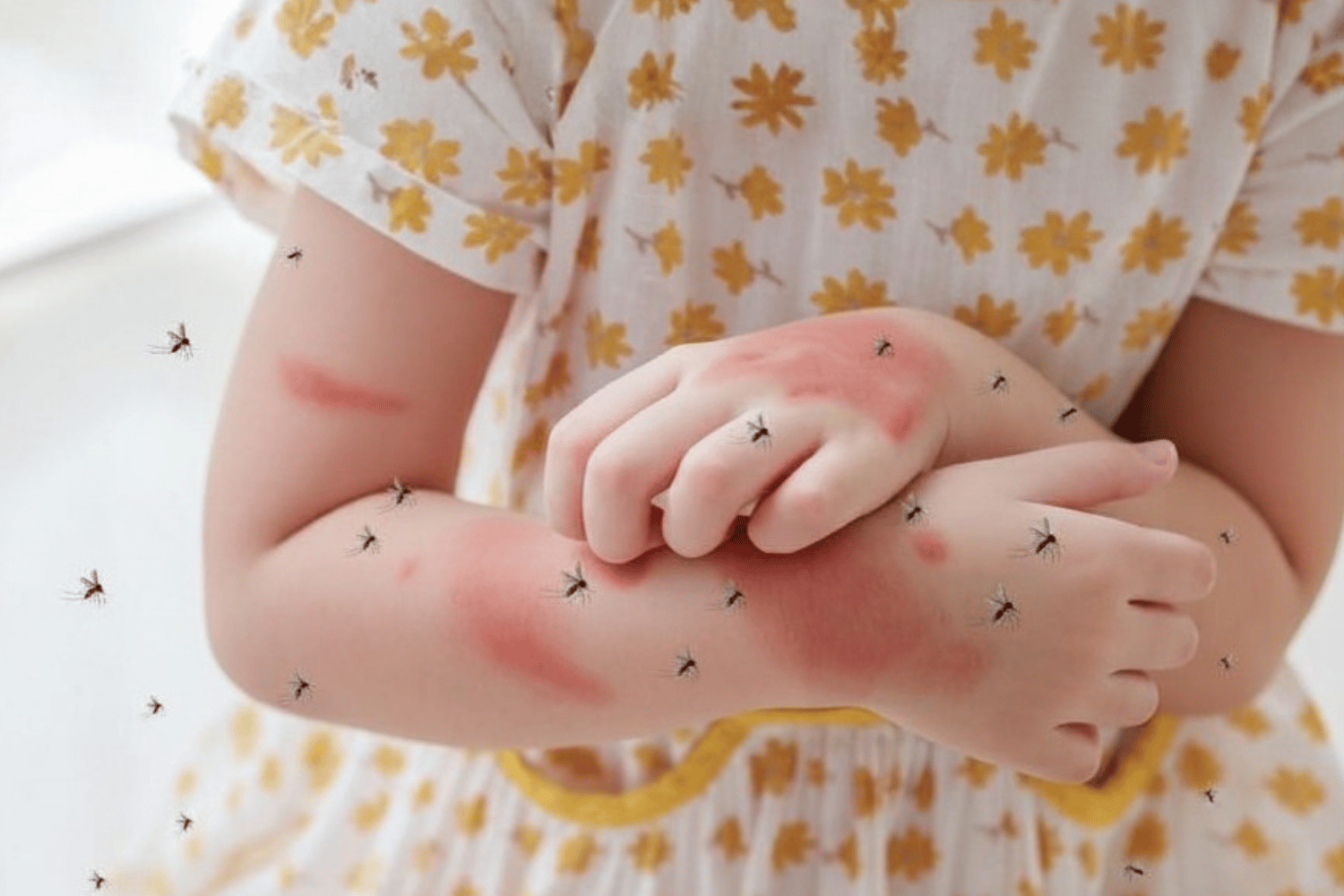
Parents were reminded to keep sick children hydrated and well-rested once they observe symptoms of chikungunya
The Pediatric Infectious Disease Society of the Philippines (PIDSP) has urged parents to stay vigilant following an increase in chikungunya cases in some parts of Samar, reminding families to seek early medical consultation for children with fever, rash, or severe joint pain.
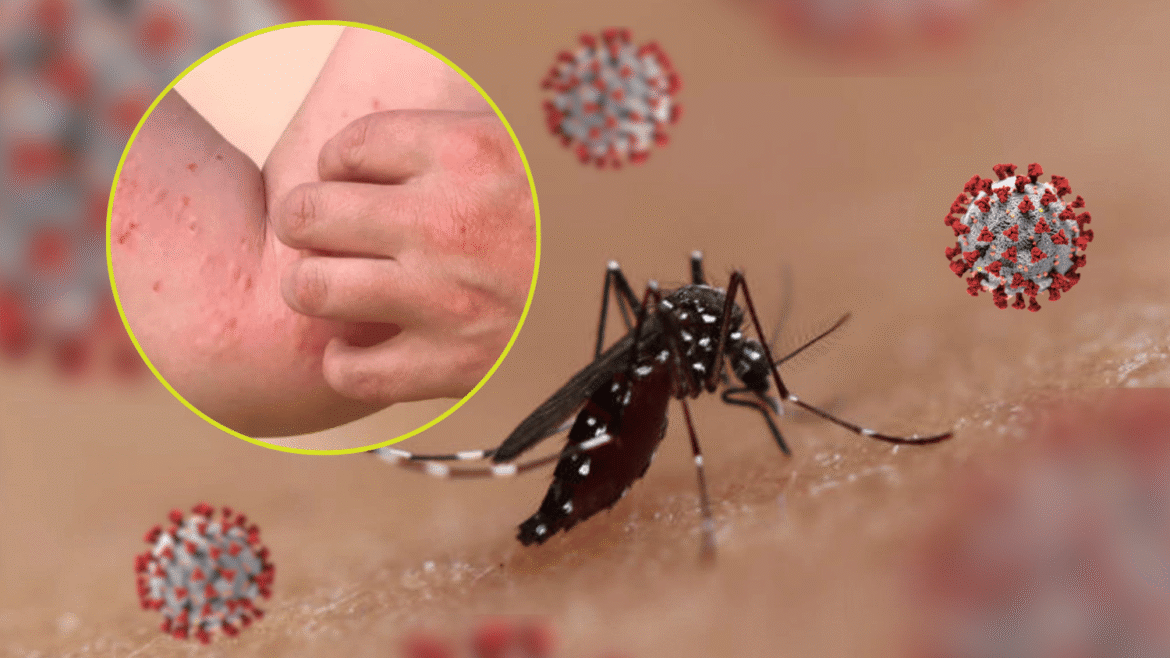
In an advisory issued on July 26, PIDSP said chikungunya is a viral disease spread by infected Aedes mosquitoes—the same species that transmits dengue.
According to the medical group, chikungunya commonly causes sudden fever, severe joint pain, rash, headache, and muscle pain. While most children recover completely, joint pain may persist for weeks.
PIDSP emphasized that chikungunya and dengue can initially present with similar symptoms, making it important for every child with fever to be evaluated by a healthcare provider to rule out dengue.
The group noted that severe joint pain is more common in chikungunya, while serious bleeding is uncommon. In contrast, dengue may lead to bleeding, persistent vomiting, severe abdominal pain, shock, and other potentially life-threatening complications requiring urgent medical attention.
To reduce the risk of infection, PIDSP advised parents to prevent mosquito bites by using age-appropriate insect repellents, dressing children in long sleeves and pants, and using mosquito nets for infants.
The society also encouraged households to eliminate mosquito breeding sites by removing standing water from containers, flower pots, tires, and other water-holding objects around the home.
Parents were likewise reminded to keep sick children hydrated and well-rested. PIDSP advised against giving aspirin or ibuprofen until dengue has been ruled out, noting that paracetamol is the preferred medication for fever and pain as recommended by healthcare providers.
The advisory also urged families to seek immediate medical care if a child develops persistent vomiting, severe abdominal pain, difficulty breathing, bleeding, extreme drowsiness or difficulty waking up, poor fluid intake, or signs of dehydration.
“Protect your family. Prevent mosquito bites. Seek early medical care,” PIDSP said.
READ: