AuREUS won the inaugural Sustainability Award of the James Dyson Award.
Imagine a skyscraper whose windows and walls quietly produce electricity—even under Manila’s gray, cloudy skies.
That is the idea behind AuREUS, a Filipino-developed solar technology that challenges one of the biggest limitations of conventional solar power: the need for abundant visible sunlight.
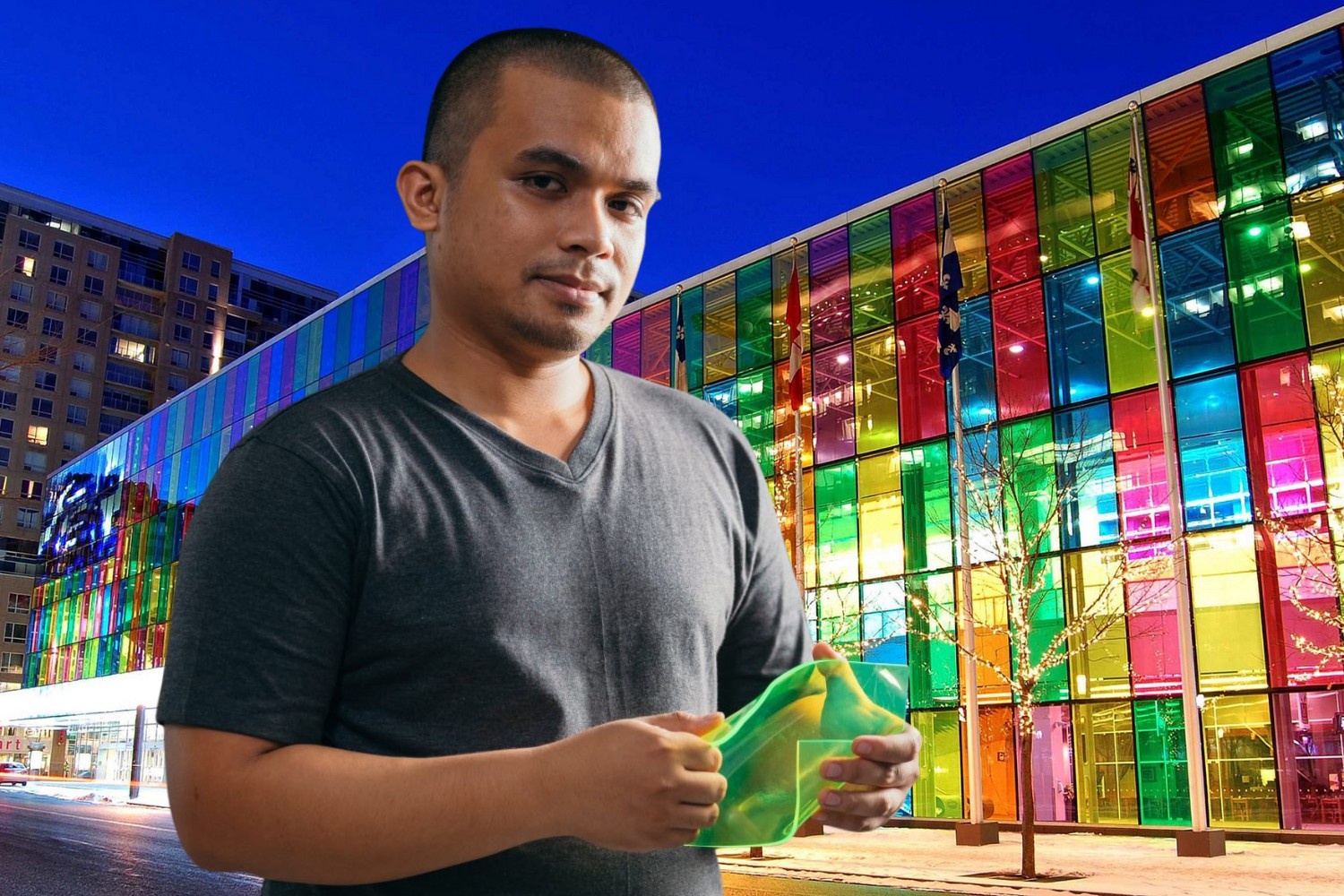
AuREUS, short for Aurora Renewable Energy & UV Sequestration, was invented by Carvey Ehren Maigue, then an electrical engineering student at Mapúa University. His research began years earlier, but the invention gained worldwide attention in 2020 when it became the first-ever Sustainability Winner of the prestigious James Dyson Award.
And part of what makes it remarkable is surprisingly Filipino: agricultural waste.
From rotten crops to clean energy
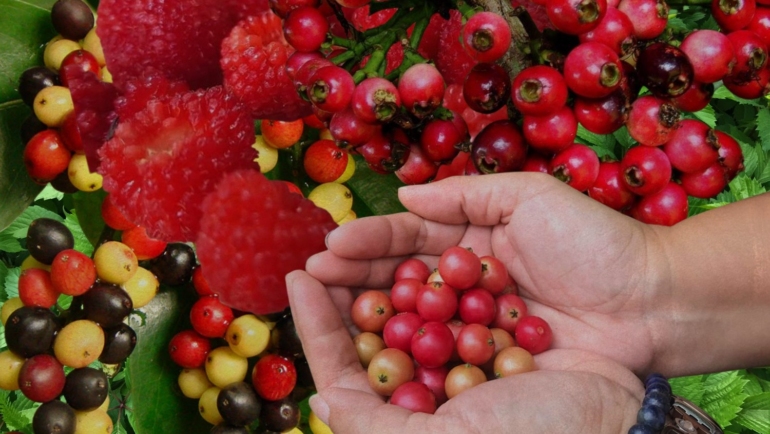
Instead of simply throwing away damaged or unwanted fruits and vegetables, AuREUS uses certain compounds extracted from plant material as luminescent particles.
These particles are incorporated into a resin panel. When ultraviolet radiation hits them, they absorb the UV and re-emit some of that energy as visible light.
The light is then guided toward the edges of the panel, where photovoltaic cells convert it into electricity.
In simple terms, AuREUS takes light our eyes cannot see and transforms it into light that conventional solar cells can use.
It is a clever combination of materials science, renewable energy and agricultural upcycling.
Solar power without direct sunlight
Traditional solar panels perform best when exposed to strong sunlight. AuREUS is designed differently because it can harvest UV radiation that reaches surfaces even when skies are cloudy and can capture scattered UV coming from the surrounding environment.
This potentially makes walls and windows useful locations for harvesting energy—not just rooftops.
During the James Dyson Award competition, Maigue reported that testing showed AuREUS could harvest UV for about 50 percent of the time, compared with roughly 15 to 22 percent for conventional solar panels under the conditions he tested.
That figure, however, should not be confused with a 50-percent solar conversion efficiency. It refers to the amount of time the system could harvest useful UV energy during testing.
Turning buildings into vertical solar farms
Maigue envisioned AuREUS being incorporated into two applications: Borealis Solar Window, which could be installed on windows, and Astralis Solar Wall, intended for building exteriors.
The concept could effectively turn the sides of high-rise buildings into vertical energy-harvesting surfaces.
That matters in dense cities such as Metro Manila, where roof space is limited but towers offer enormous amounts of unused vertical surface area.
A Filipino idea that caught the world’s attention
On November 19, 2020, AuREUS won the inaugural Sustainability Award of the James Dyson Award, putting Maigue and his Philippine-developed technology on the global innovation map.
The award did not mean AuREUS was immediately ready to replace conventional solar panels. Scaling an experimental technology into an affordable, durable and commercially competitive building material requires years of engineering, testing, certification and manufacturing development.
Conventional silicon solar panels still dominate the market, while newer technologies such as perovskite photovoltaics are also advancing rapidly.
But AuREUS demonstrated something arguably just as important: renewable-energy innovation does not always have to come from the world’s richest laboratories.
Sometimes it can begin with a Filipino student looking at cloudy skies, discarded crops and an invisible part of sunlight—and realizing that all three might still have value.
READ:
Security Bank backs ₱893M refinancing for Bataan solar project
radar Business
July 13, 2026
Meralco, Japanese firms launch venture to expand solar projects in Philippine factories
radar Business
June 25, 2026
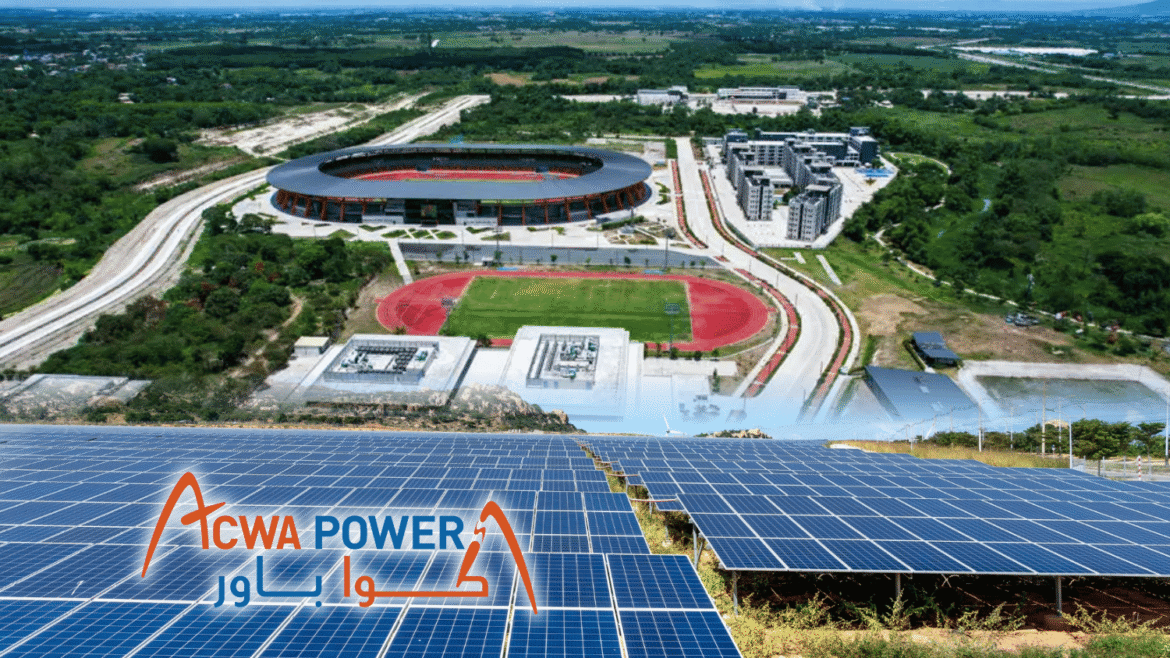
New Clark City lands 500 MW solar and storage project in Acwa Power deal
radar Business
June 4, 2026