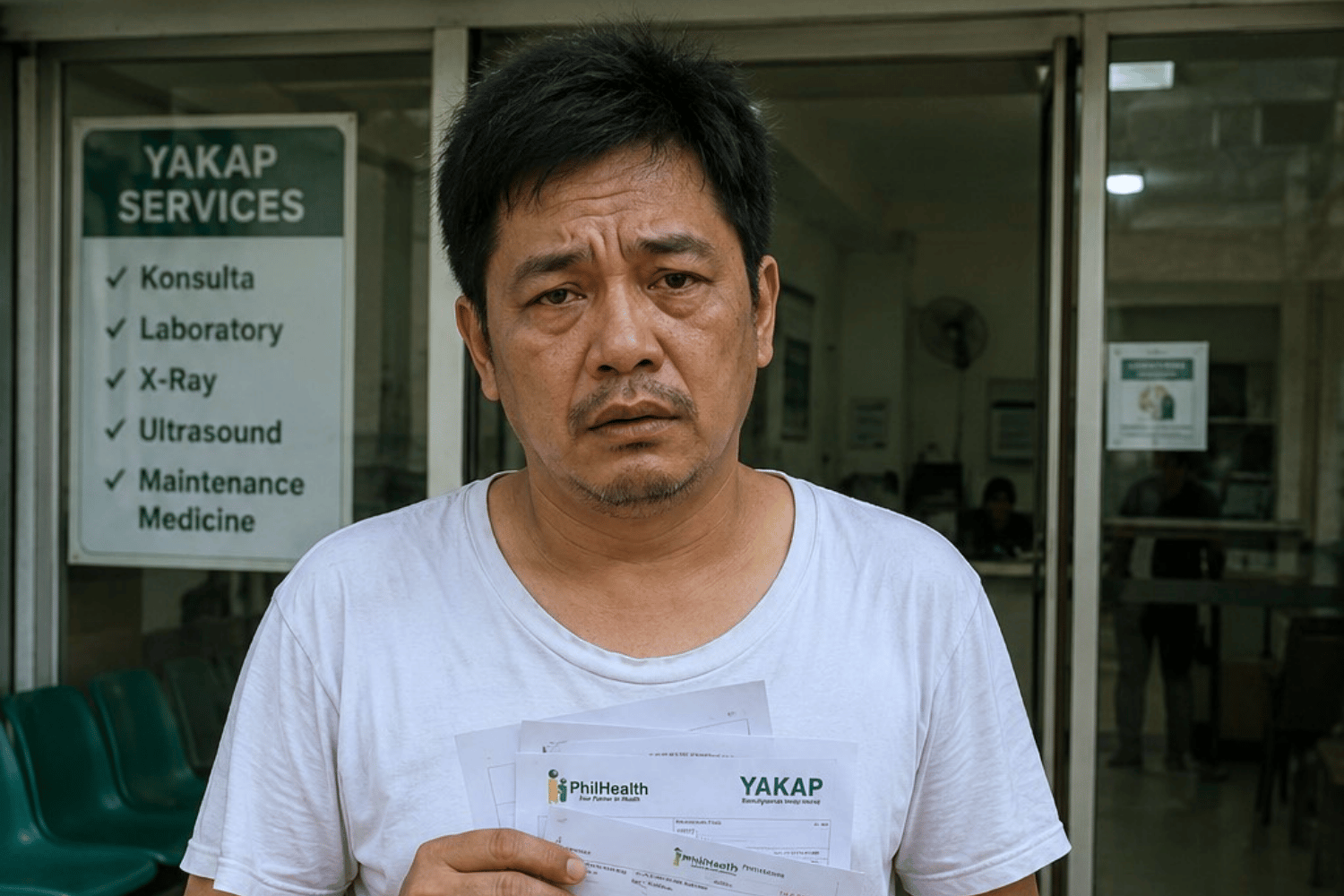
Patients and clinics alike are encountering rollout challenges.
Every month, thousands of Filipinos line up at pharmacies to buy maintenance medicines for hypertension, diabetes, or high cholesterol. Some spend hundreds of pesos, while others shell out thousands just to keep their conditions under control. What many don’t realize is that PhilHealth’s YAKAP (Yaman ng Kalusugan Program) may already cover much of those expenses—if they know how to access it.
Replacing the old Konsulta Program, YAKAP shifts PhilHealth’s focus from paying only for hospitalization to helping members stay healthy in the first place. It offers free consultations, laboratory tests, preventive screenings, and essential medicines, encouraging Filipinos to seek treatment before illnesses become more serious—and more expensive.
But while the benefits are substantial, actually claiming them has proven more complicated than many expected.
What you can get for free
One of YAKAP’s biggest benefits is access to a designated primary care physician who can monitor your health regularly.
Members may receive unlimited consultations, 20 basic laboratory and diagnostic tests, and six preventive cancer screenings when medically indicated.
Those diagnosed with chronic illnesses such as hypertension, diabetes, asthma, or high cholesterol may also qualify for free maintenance medicines through the GAMOT package.
PhilHealth provides eligible members with up to ₱20,000 worth of essential medicines annually, covering 75 different types of medication based on their specific medical conditions and doctor’s prescriptions.
You have to enroll first
This is where many members get caught off guard.
YAKAP benefits are not automatically activated simply because you’re a PhilHealth member. You first need to register and link your PhilHealth Identification Number (PIN) to an accredited YAKAP clinic or primary care provider through the eGovPH app, the PhilHealth Member Portal, or by visiting a PhilHealth office or participating facility.
After enrollment, you must complete your First Patient Encounter (FPE), an initial episode of contact where a doctor takes or updates your basic health data to identify health risks. PhilHealth noted that it not equivalent to a medical consultation.
Without an FPE, many YAKAP benefits—including free medicines—remain inaccessible.
The ₱20,000 is not free cash
The annual ₱20,000 medicine benefit has also created confusion.
It is not a cash allowance that members can withdraw or spend however they want. Instead, it is the maximum value of medicines PhilHealth may cover within a year, provided these are medically necessary and prescribed by an accredited physician.
Health experts have also cautioned against trying to “maximize” the benefit by requesting unnecessary medicines, saying prescriptions should always be based on legitimate medical needs.
Why some members are still struggling
Despite the expanded benefits, YAKAP’s rollout has encountered growing pains.
Some members report difficulties claiming free medicines because accredited pharmacies or facilities are still completing implementation requirements. Others discover that while their clinic is accredited, the attending physician has yet to complete individual PhilHealth accreditation, preventing the issuance of the digital prescription code required to claim medicines.
In some areas, patients also face long waiting times just to secure their mandatory First Patient Encounter, delaying access to the program’s benefits.
Why some clinics are pulling out
Patients aren’t the only ones facing challenges.
Several private clinics have publicly cited delayed reimbursements, costly technology requirements, and heavy administrative workloads as reasons for suspending or reconsidering their participation in YAKAP.
When accredited providers leave the program, members may suddenly need to transfer to another participating clinic before they can continue receiving services.
Know your benefits before you need them
For years, many Filipinos have associated PhilHealth with hospital confinement. YAKAP is trying to change that by making preventive healthcare more accessible before illnesses become emergencies.
The program has the potential to save families thousands of pesos every year through free consultations, medicines, and laboratory tests. But as with many government programs, understanding the requirements is just as important as knowing the benefits themselves.
Registering early, completing the First Patient Encounter, and choosing an accredited provider could spell the difference between paying for maintenance medicines out of pocket—or getting them through benefits you’ve already been paying for.
READ:
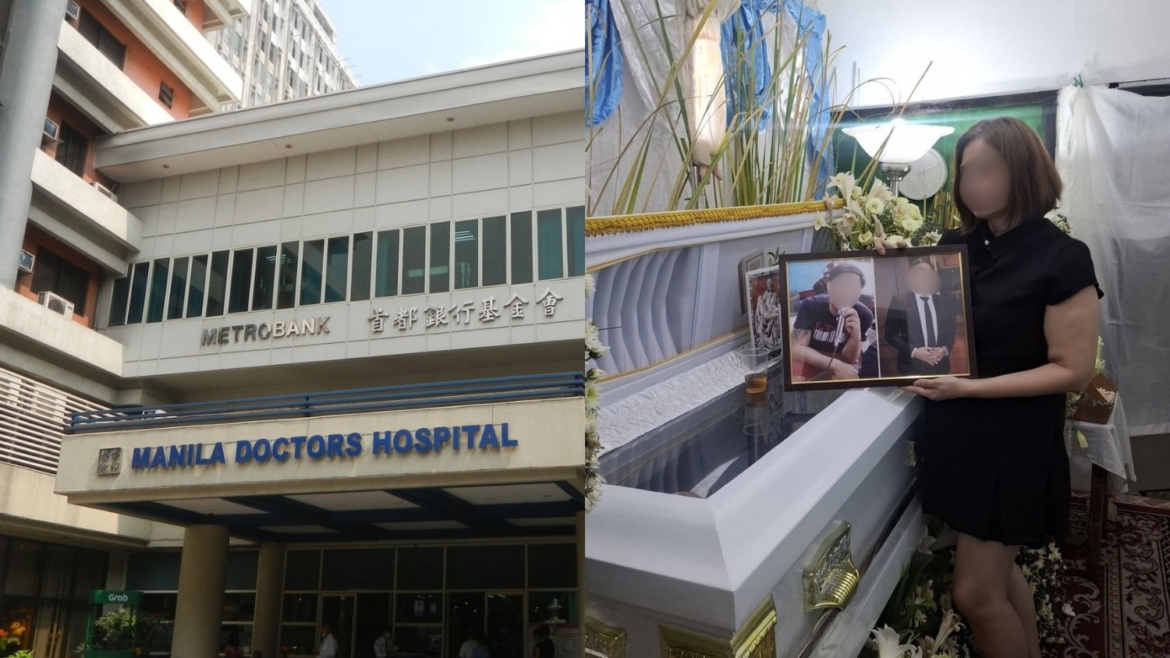
Manila Doctors Hospital defends handling of patient in PhilHealth benefits dispute
John Lloyd Aleta
June 18, 2026
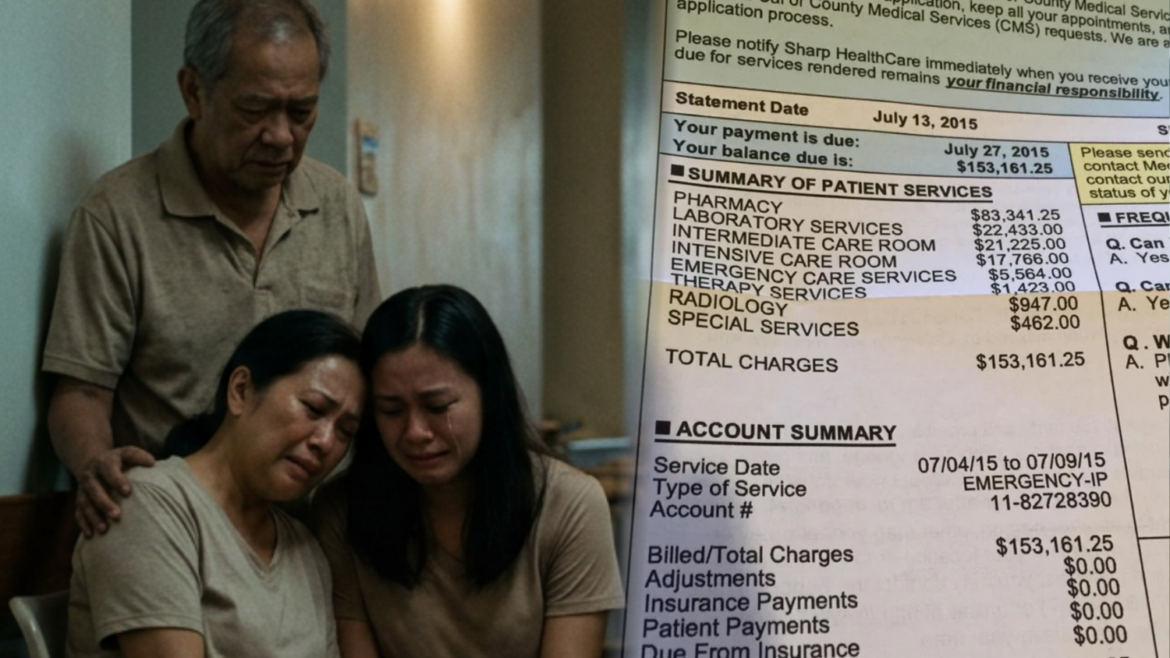
The human cost of PhilHealth’s failures
Matahari
June 16, 2026