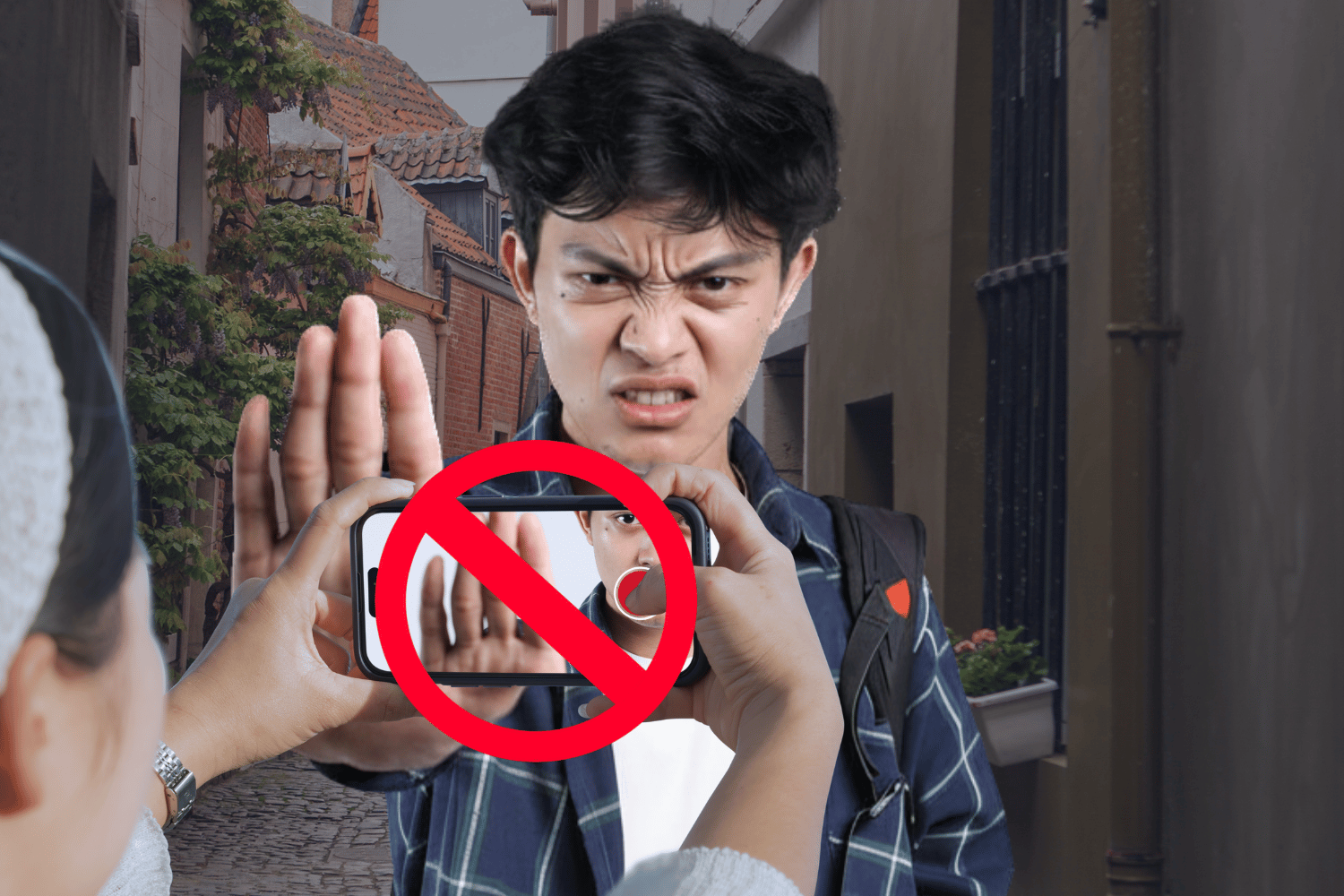
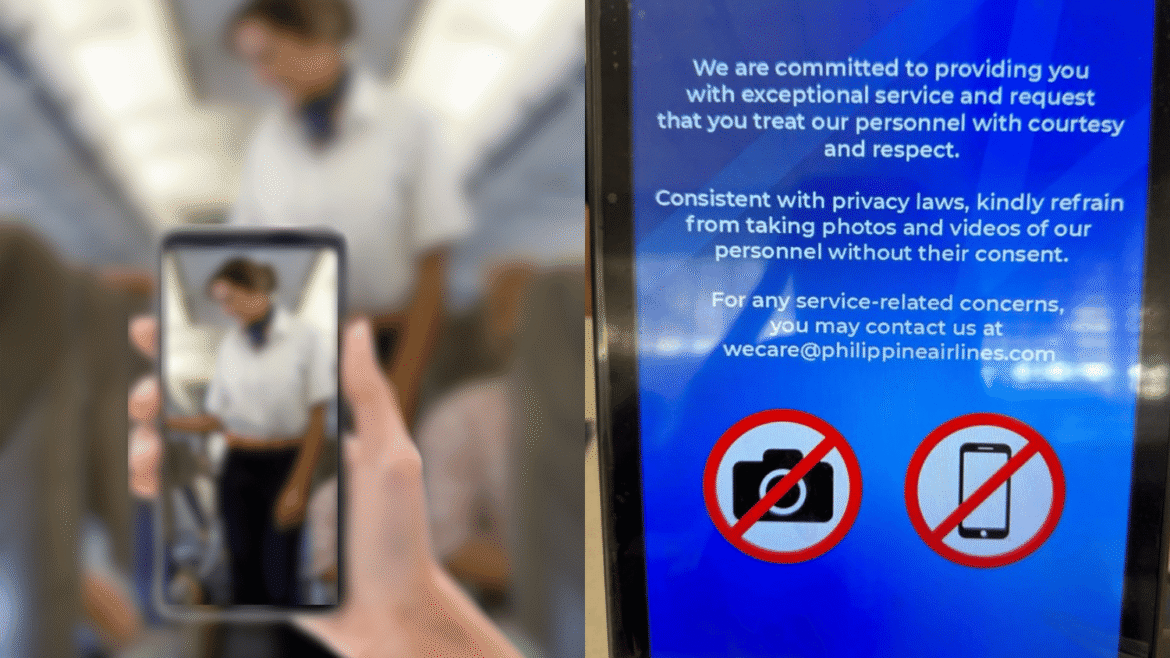
Being in a public place does not automatically waive a person’s right to privacy, the National Privacy Commission says.
Being in a public place does not automatically mean a person can be recorded and have their image posted online.
The National Privacy Commission (NPC) recently reminded the public that the right to privacy does not disappear simply because a person is in a public space, citing its Advisory Opinions No. 2021-014 and 2018-051 and the Data Privacy Act of 2012.
The reminder comes amid the growing practice of recording people in public and uploading the footage as “educational content,” entertainment, or commentary, sometimes without the person knowing they were being filmed.
The NPC said recording and posting are two separate activities that require their own legal basis.
A person may have a valid reason to record someone in a public place, such as for security, documentation, news reporting, or personal use, but that does not automatically give them the right to upload the footage to social media.
Once posted online, a person’s face and other identifying information can become accessible to a much wider audience, potentially anywhere in the world.
The commission said posting personal data may be based on consent or another lawful basis such as legitimate interest, depending on the circumstances and purpose of the processing.
Violations can carry criminal penalties, including one to three years of imprisonment and a fine of ₱500,000 to ₱2 million. Meanwhile, processing personal information for unauthorized purposes may carry imprisonment of one year and six months to five years and a fine of ₱500,000 to ₱1 million.
There are also situations where the Data Privacy Act does not apply, including purely personal or household activities and legitimate journalism.
The distinction is becoming more relevant as smartphones and social media increasingly blur the line between simply witnessing something in public and turning it into content that is publicly searchable.
READ: