The flavor of bulno is generally described as sweet and tart, with an intensely aromatic character.
You know mangoes as sweet, golden and juicy. But deep in parts of the Philippines grows an unusual relative that looks paler, smells intensely fragrant and can surprise first-time eaters with a flavor reminiscent of guyabano.
Meet the bulno, a little-known indigenous fruit that proves the mango family is far more diverse than the familiar carabao mango.
Scientifically known as Mangifera caesia, bulno belongs to the same genus as the common mango (Mangifera indica), but it is a separate species native to Southeast Asia. It is sometimes called the “white mango” because of its unusually pale flesh.
In the Philippines, the fruit is associated particularly with Southern Palawan, where it is called bulno among Palaw’an communities. Elsewhere, especially around the Zamboanga Peninsula, Basilan and the Sulu Archipelago, variations of its name include baluno, bauno, baunu and bayuno.
And its biggest surprise comes when you cut it open.
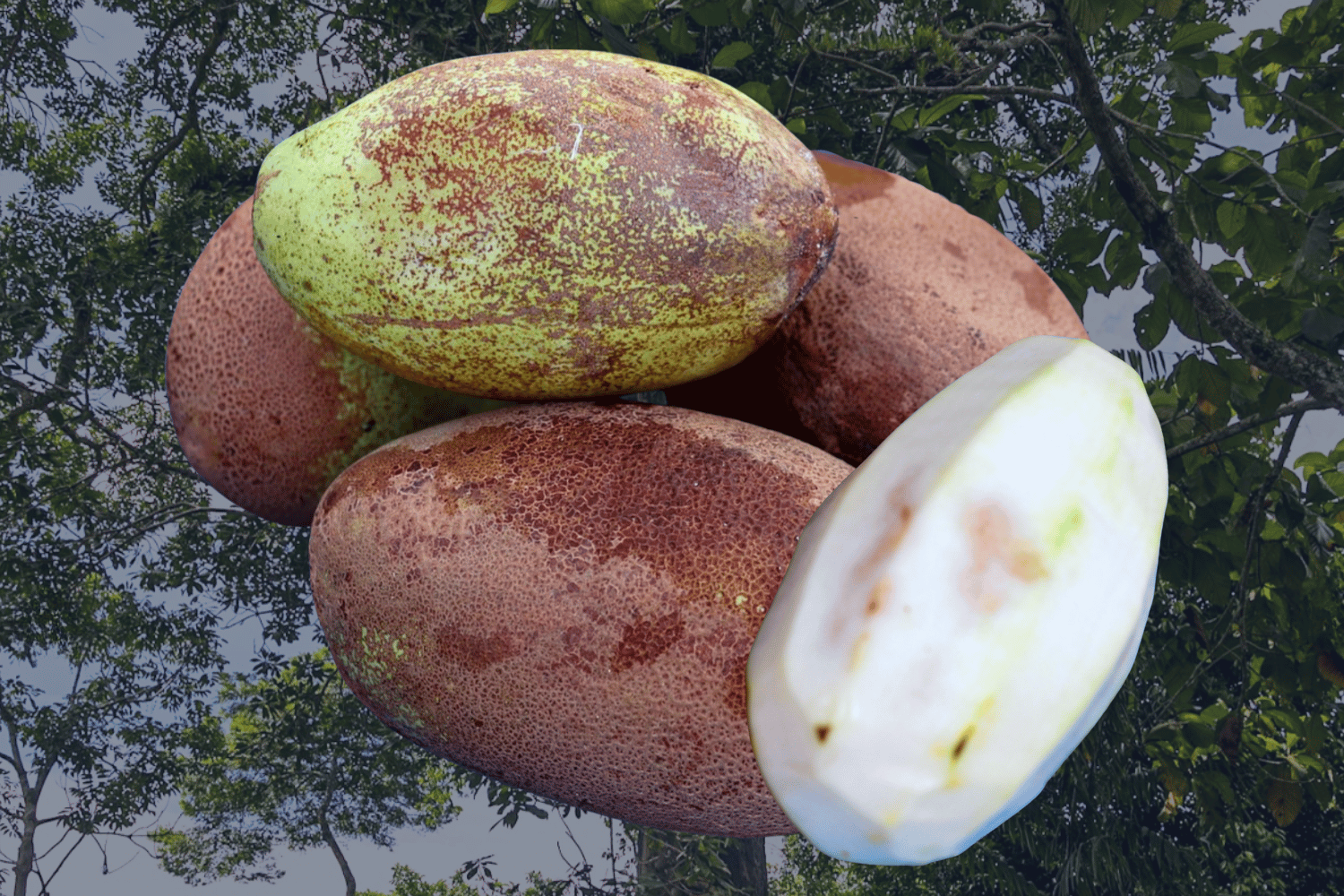
Instead of the firm yellow-orange flesh expected from an ordinary mango, a ripe bulno has soft, pale to whitish flesh that can be exceptionally juicy. Its flavor is generally described as sweet and tart, with an intensely aromatic character.
Some Filipinos familiar with the fruit liken the experience to a combination of mango and guyabano, with a creamy, custard-like quality that makes it unlike the mango varieties commonly sold in supermarkets.
Its appearance is just as distinctive. Mature fruits can develop yellowish to brownish skin rather than the bright golden color associated with Philippine mangoes. The flesh surrounds a large seed and may release plenty of juice when the fruit is fully ripe.
Despite belonging to a genus containing one of the Philippines’ most famous fruits, bulno remains relatively obscure outside areas where the tree traditionally grows.
That rarity also makes it a reminder of just how many native and indigenous fruits remain unfamiliar to many Filipinos.
So if someone hands you what looks like a strange, pale mango and tells you it tastes a little like guyabano, don’t dismiss it.
You may have just encountered one of the country’s lesser-known mango relatives—the bulno.
READ: