Popularity could also threaten the animal.
For decades, dog lovers around the world have fallen in love with breeds that once came from remote corners of the globe. The Siberian Husky emerged from the Arctic. The Shiba Inu came from Japan. The Corgi traces its roots to Wales.
Could the Philippines’ asong gubat be next?
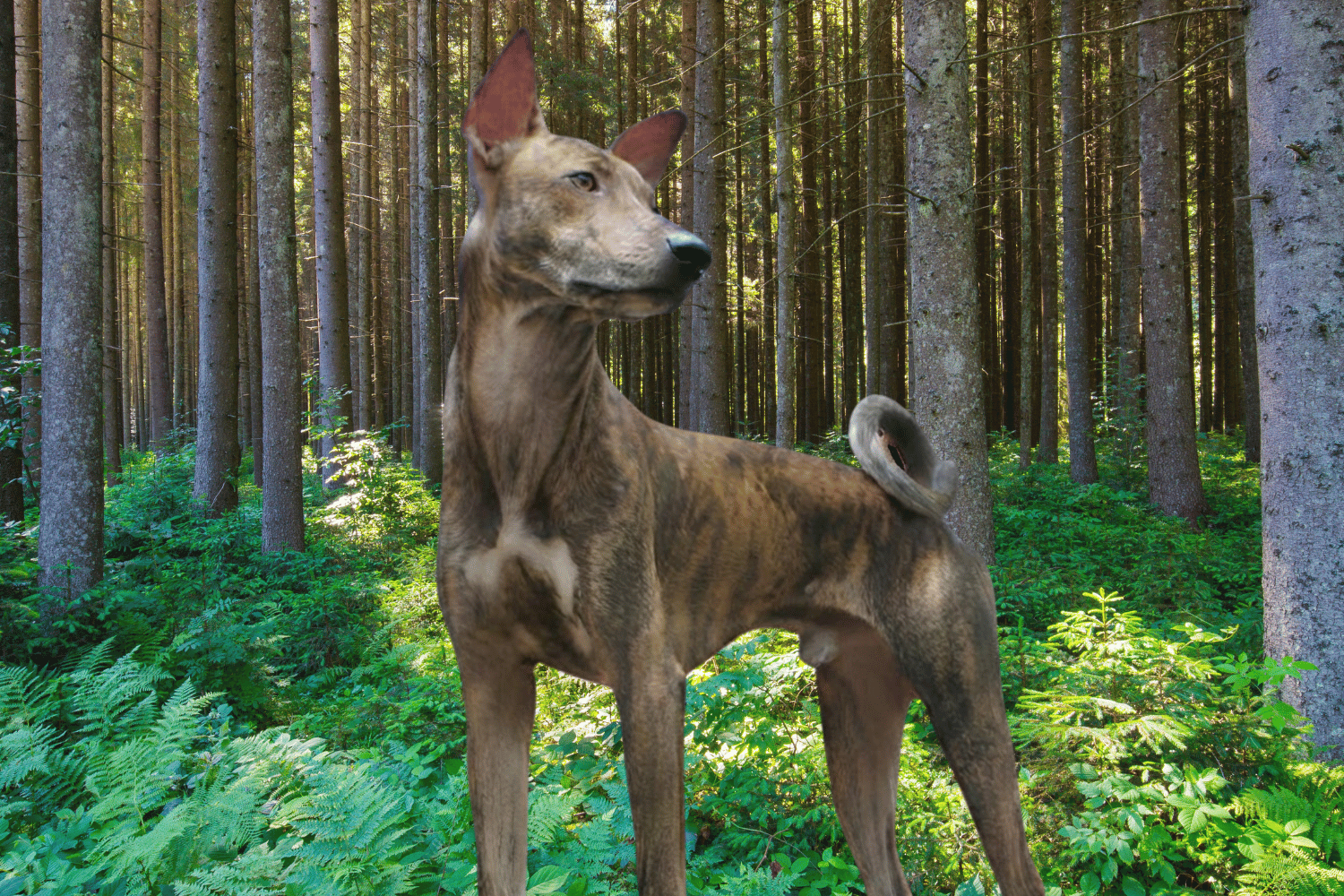
Deep within the forests of Bukidnon lives one of the country’s most fascinating native canines: the Philippine Forest Dog, better known as the asong gubat.
Efforts are underway to document the dogs and establish them as a distinct breed, with the Philippine Canine Club, Inc. working toward international recognition. If successful, the asong gubat could become the Philippines’ first internationally recognized native dog breed.
And it certainly has the looks to get people talking.
The asong gubat is known for its striking brindle coat, with dark stripes that have earned it the nickname “tiger dog.” It also has unusual physical characteristics, including dark pigmentation inside its mouth and remarkably sharp claws.
But its biggest appeal may be its reputation as a survivor.
Accounts from Bukidnon describe the asong gubat as an agile hunter capable of climbing trees, jumping impressive heights and tracking prey through dense forests. Generations of living in the wild have given these dogs instincts very different from those of typical household pets.
The asong gubat also carries a cultural story few breeds can match.
Among some indigenous communities in Bukidnon, these dogs have long been intertwined with traditional beliefs and stories. Their connection to the forest goes beyond simply being animals that live there—they are part of a living cultural heritage.
That could make the breed especially fascinating to an international audience increasingly interested in indigenous and ancient dog lineages.
But popularity could also become its greatest threat.
The asong gubat must not become another exotic animal people rush to buy simply because it suddenly becomes fashionable online. Increased demand could encourage indiscriminate breeding, removal of dogs from their communities or crossbreeding that could eventually erase the very traits people find extraordinary.
Recognition, therefore, should mean conservation first and commercialization last.
Protecting the asong gubat means documenting its population and genetics, preserving responsible bloodlines and, just as importantly, protecting the forests and indigenous communities that have kept these dogs alive for generations. Any conservation effort should include the people who have lived alongside them and respect their knowledge and traditions.
The goal should not be to produce thousands of asong gubat puppies for pet shops.
It should be to make sure the asong gubat is still here generations from now.
The Philippines may have a canine treasure hiding in its forests. If the world eventually falls in love with it, our first responsibility is not to sell it.
It is to protect it.