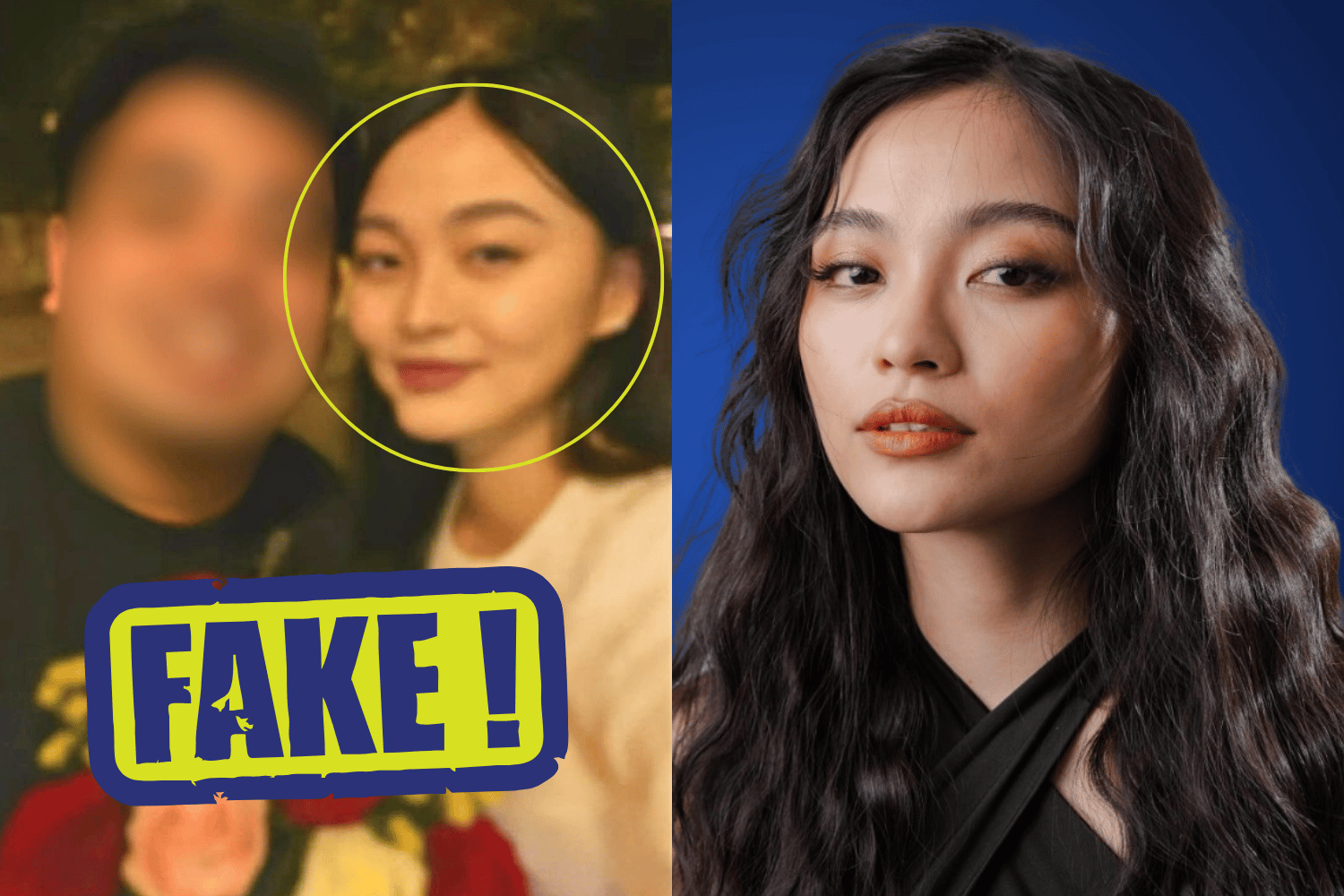
“I do not know this man. I am not his girlfriend. None of this is real,” Cabatbat wrote in a post that has drawn more than 300,000 engagements across Facebook and TikTok. “I did not consent to any of it.”
She also pushed back against the idea that publicly posting photos gives others permission to repurpose her likeness. “Posting photos publicly does not mean giving someone permission to use my face to fabricate whatever agenda they want, especially one I never agreed to,” she wrote.
Cabatbat ended with a broader point about the gendered nature of the abuse: “Women are not props for your fantasies. Our bodies are not yours to use however you want.”
The episode illustrates a particularly unsettling use of generative AI: a person’s publicly available image can be turned into a convincing narrative that the person never lived.
The National Privacy Commission previously reminded the public that AI-generated photos or videos based on a real person’s face or likeness may involve personal information and may be subject to data privacy laws.
People affected by such false data may ask for its blocking, removal, or destruction, and may file a complaint with the NPC.
Social media platforms are also developing tools to address AI-generated impersonation. Meta labels certain AI-generated content on Facebook, Instagram, and Threads, while YouTube has a likeness detection tool that helps eligible creators identify and request the removal of videos using their facial likeness.
While these tools provide a layer of protection, but the growing use of AI-generated impersonation calls for stronger legal safeguards.
House Bill No. 6632 seeks to protect a person’s name, face, voice, and likeness against unauthorized deepfake creation and distribution, while House Bill No. 10227 seeks to safeguard personality rights against unauthorized AI use of a person’s face, voice, and identity.
HB 6632 is at the committee level, while HB 10227 is at its first reading. Both measures still have a long legislative road ahead: they must pass the House and Senate, with both chambers approving identical versions before either could reach the President for signing.
A bedroom pop artist, Cabatbat is known for songs like “Bahagya,” “Na Para Bang,” “Hibang,” and “tila talo.”
READ: