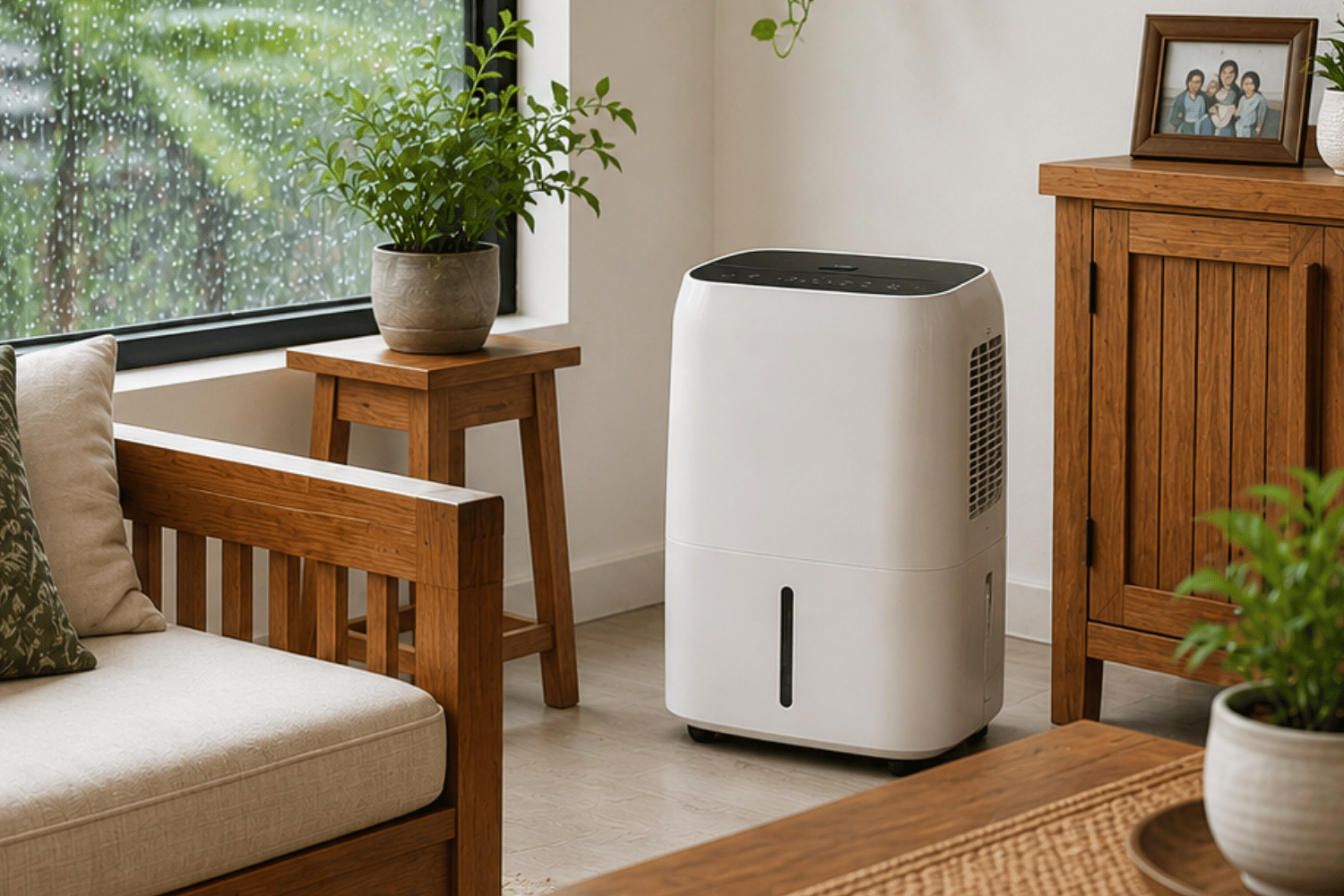
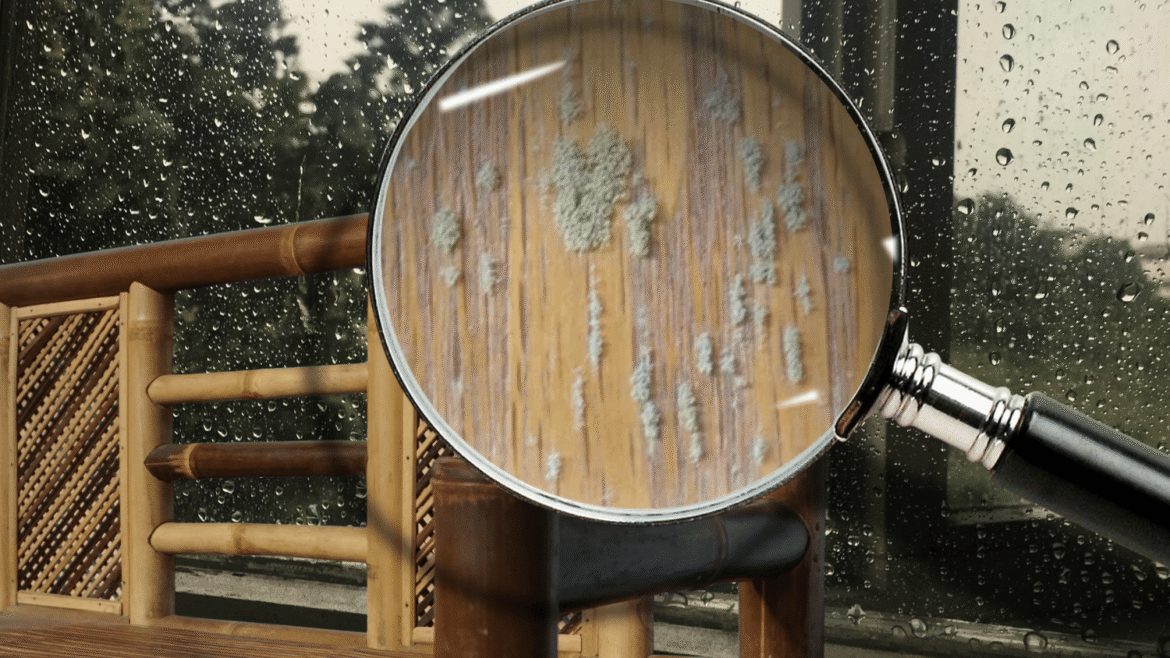
Habagat rains bring damp homes, mold, mildew, and moisture damage.
Scroll through home improvement groups today and one gadget keeps popping up: dehumidifiers.
As weeks of habagat rains soak much of the country, many Filipinos are swapping “aesthetic finds” for a device meant to solve a more practical problem: excess moisture at home.
State weather bureau PAGASA has warned that while El Niño is often linked to dry spells, it can also enhance habagat rains over the western side of the Philippines, bringing prolonged wet weather between July and September.
That lingering humidity can leave white or green mold on wooden furniture, walls, leather bags, shoes, and camera gear—especially in homes with poor ventilation.
A fan can circulate air, but it does not remove moisture. That’s why dehumidifiers have become one of the season’s most talked-about home purchases.
Four things to consider before buying
- Room size
- Larger bedrooms and living spaces need higher-capacity units.
- Dehumdifier type
- Compressor dehumidifiers work better in the Philippines’ warm, humid climate, while cheaper thermoelectric or desiccant models usually remove less moisture. Check how many liters of water the unit can extract per day.
- Drainage system
- Look for detachable tanks with clear water-level windows, or units that shut down on their own when full.
- Wattage
- Dehumidifiers are not yet covered by the Department of Energy’s Philippine Energy Labeling Program, which covers basic household appliances. Compare the unit’s power consumption and do the math yourself.
How to maximize your dehumidifier
A 300-watt compressor dehumidifier running for eight hours daily can add around ₱1,000 or more to a monthly electricity bill.
Like an air conditioner, a dehumidifier works best with doors and windows closed. Aim for 50% to 60% relative humidity; going below 40% uses more electricity without much added benefit.
If your air conditioner already has a dehumidify or dry mode, you may not need a separate unit. For closets, shoe cabinets, and other small enclosed spaces, disposable moisture absorbers or silica gel packs may be enough.
To be clear, dehumidifiers will not cool your room. Their job is to reduce moisture and help prevent mold, mildew, and other humidity-related damage.
But first things first: Know your space before you buy the gadget.
READ: