Evidence shows a time when prehistoric elephants stepped into the country.
It sounds almost impossible today, but elephants once walked on Philippine soil—and their story goes much further back than Manila Zoo’s famous Mali.
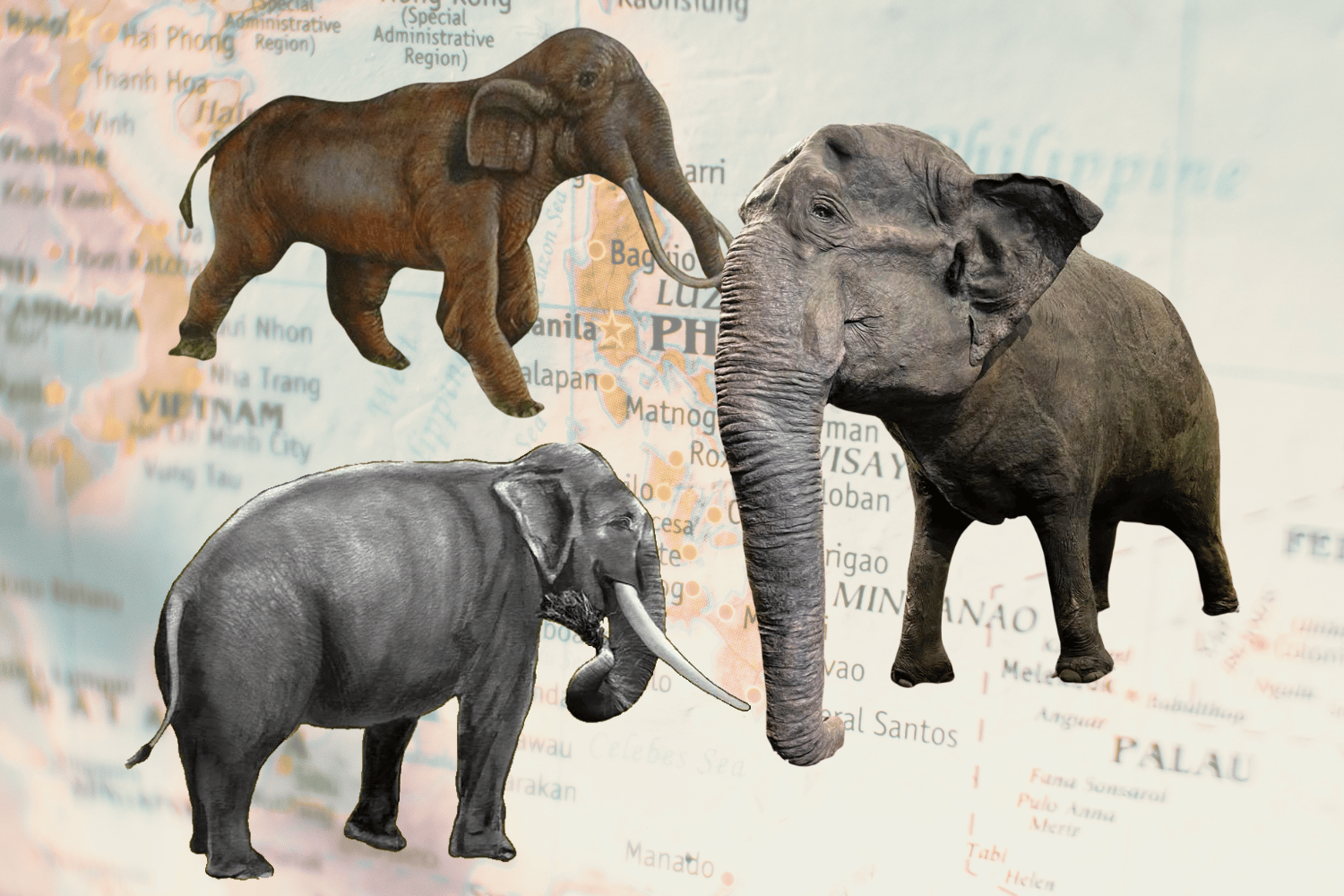
Fossil evidence shows that elephant relatives inhabited the archipelago during the Pleistocene, when dramatically lower sea levels changed the geography of Southeast Asia and made animal dispersal between islands easier.
Among the most fascinating discoveries is Elephas beyeri, an extinct elephant known from fossil remains found on Cabarruyan Island in Pangasinan. It has often been described as a small or dwarf elephant, although scientists have had limited fossil material from which to reconstruct the animal.
The Philippines was also home to stegodons, extinct elephant-like proboscideans. Fossils attributed to these prehistoric giants have been discovered in different parts of the country, providing evidence of a Philippines once populated by megafauna vastly different from the wildlife surviving today.
In Luzon, these enormous animals shared the ancient landscape with other now-extinct creatures. Archaeological discoveries in Kalinga have even revealed butchered rhinoceros remains dating back more than 700,000 years—showing just how extraordinary the country’s prehistoric ecosystem once was.
But the Philippine elephant story may not have ended with the Ice Age.
Historical accounts and traditions indicate that Asian elephants were later brought into parts of the southern Philippines through maritime trading networks connecting the archipelago with Borneo and the wider Malay world.
Unlike their prehistoric predecessors, these elephants were introduced by humans rather than remnants of an ancient native population. Elephants became prestige animals associated with rulers, with accounts linking them to areas under the influence of the Sulu and Maguindanao sultanates.
Eventually, they disappeared as well.
Even Philippine languages preserve traces of this forgotten relationship. Old terms such as “gadya,” referring to an elephant, appear in Philippine linguistic traditions—a curious reminder of an animal that now seems completely foreign to the country.
Centuries later came Mali.
The Asian elephant arrived from Sri Lanka in 1977 and spent most of her life at Manila Zoo. When she died in November 2023, there were once again no living elephants in the Philippines.
Today, imagining an elephant wandering through a Philippine landscape may sound like fantasy.
But beneath Philippine soil are fossils telling another story: long before modern Filipinos knew elephants mainly from zoos, books and television, elephant-like giants once walked the islands we now call home.
READ: