The hidden costs of the Philippines’ growing squirrel sightings and why they are a high-voltage hazard.
At first, it feels like a novelty. A squirrel dashes across a Meralco wire, pauses on a mango tree, or peeks from a village gate. For many Filipinos, it’s a “uy ang cute!” moment—something worth a quick photo and a post.
But what looks harmless today may quietly be turning into a problem the country isn’t ready for.
Recent sightings are no longer isolated. Residents in Quezon City and Makati have reported squirrels running along cables and rooftops, while similar encounters are being shared from Cebu City and Davao City. In some subdivisions, they’ve become a regular sight—something neighbors casually point out during morning walks.
That casual reaction is exactly what worries experts.
From mango trees to main breakers
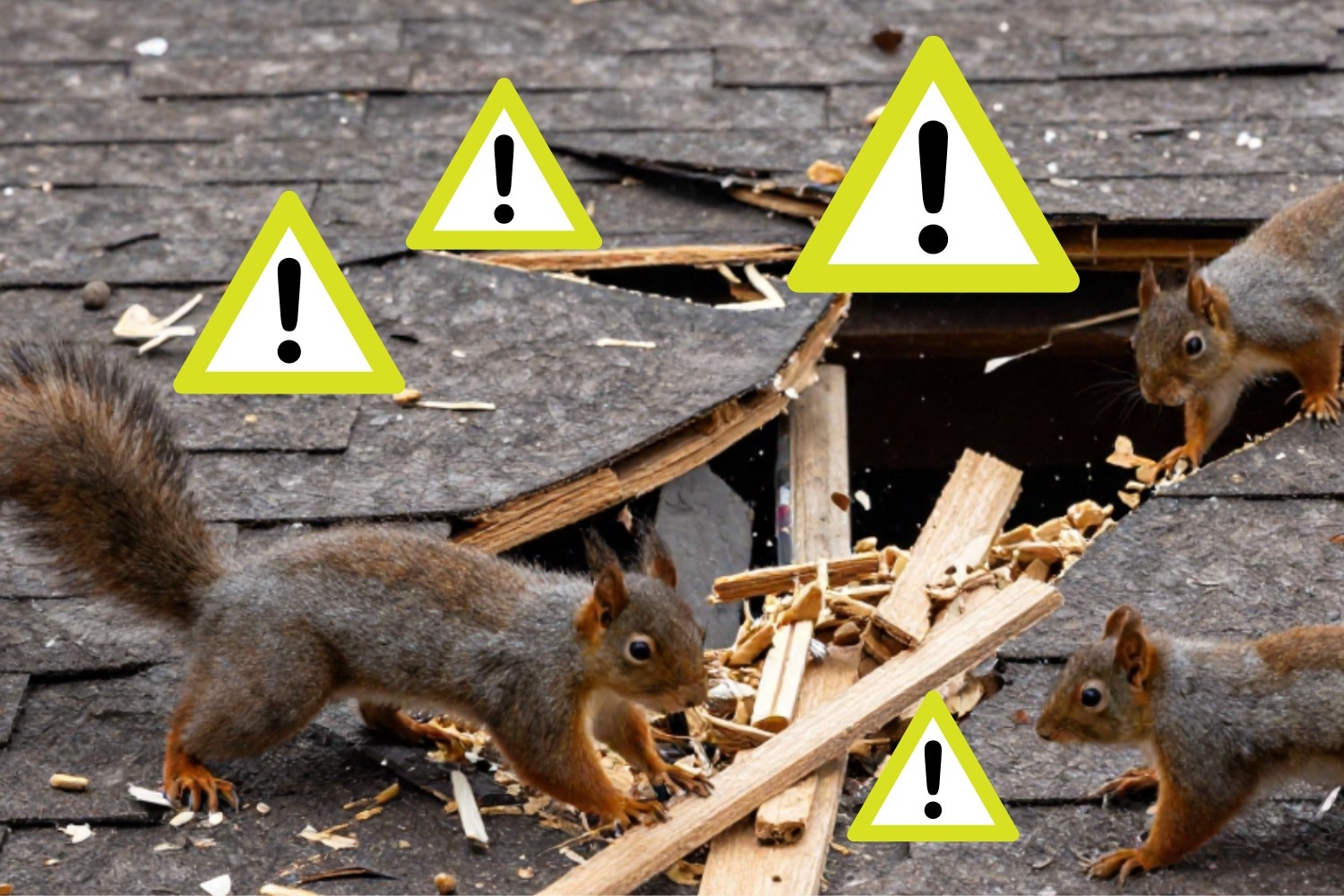
Squirrels aren’t just tree-hoppers. They have a constant need to gnaw, which means anything hard—electrical wires, wooden beams, even roof edges—becomes a target. In other countries, this has led to short circuits, sudden brownouts, and even house fires. Imagine hearing a strange kaluskos in your kisame at night, only to find out later that wires have already been chewed through.
For homeowners, the damage can escalate fast. They squeeze through tiny openings in roofs or vents, build nests in ceilings, and tear up insulation. Some even leave droppings that can contaminate air inside the house—something especially risky for families with kids or elderly members.
And it doesn’t stop at homes. Squirrels have been known globally to trigger power outages by tampering with transformers and cables. In cities already dealing with fragile infrastructure, even a few incidents can disrupt entire neighborhoods.
There’s also the environmental angle Filipinos might not immediately see. If the species being spotted are not native, they could compete with local wildlife—displacing smaller animals and damaging trees by stripping bark or digging up plants. For households that take pride in their backyard gulayan or ornamental plants, that “cute visitor” can quickly turn into a persistent pest.
Health risks, though less obvious, are present too. Squirrels can carry bacteria like salmonella and leptospirosis through their waste, and may bring fleas or ticks into homes—adding another layer of concern in already crowded urban spaces.
Stopping the silent urban invasion
What makes this moment critical is that the Philippines is still at an early stage. Unlike countries where squirrel infestations are already a costly reality, Filipinos are just starting to encounter them regularly. That means there’s still time to act—before sightings turn into daily problems.
For now, experts suggest simple but practical steps: seal small openings in roofs, avoid leaving food waste exposed, and report unusual clusters of sightings to local authorities. Awareness, more than anything, is key.
Because the real danger isn’t the squirrel you see today. It’s the hundreds you don’t notice yet—quietly settling in, multiplying, and turning a passing curiosity into the next urban headache.