It sounds contradictory, but it isn’t.
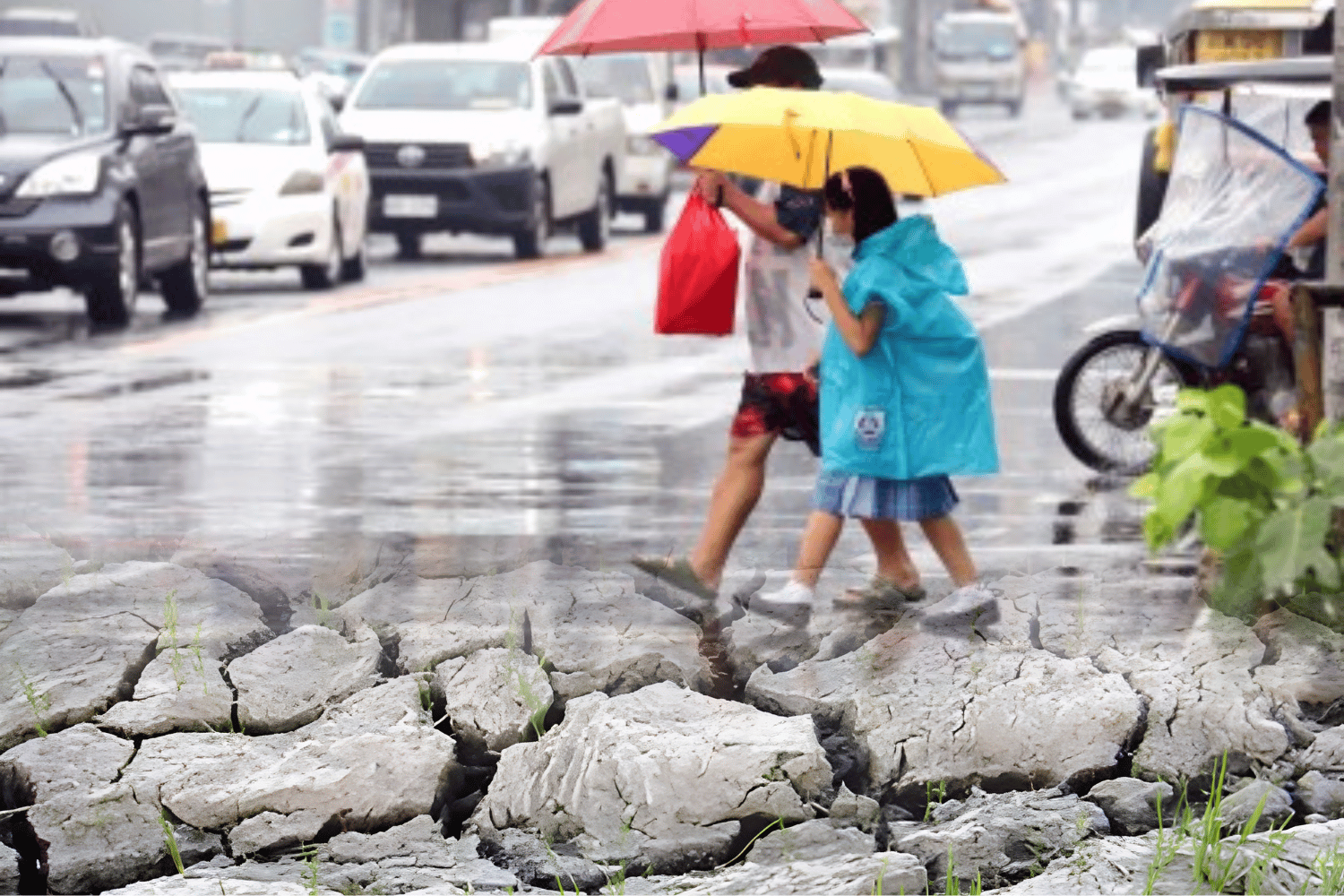
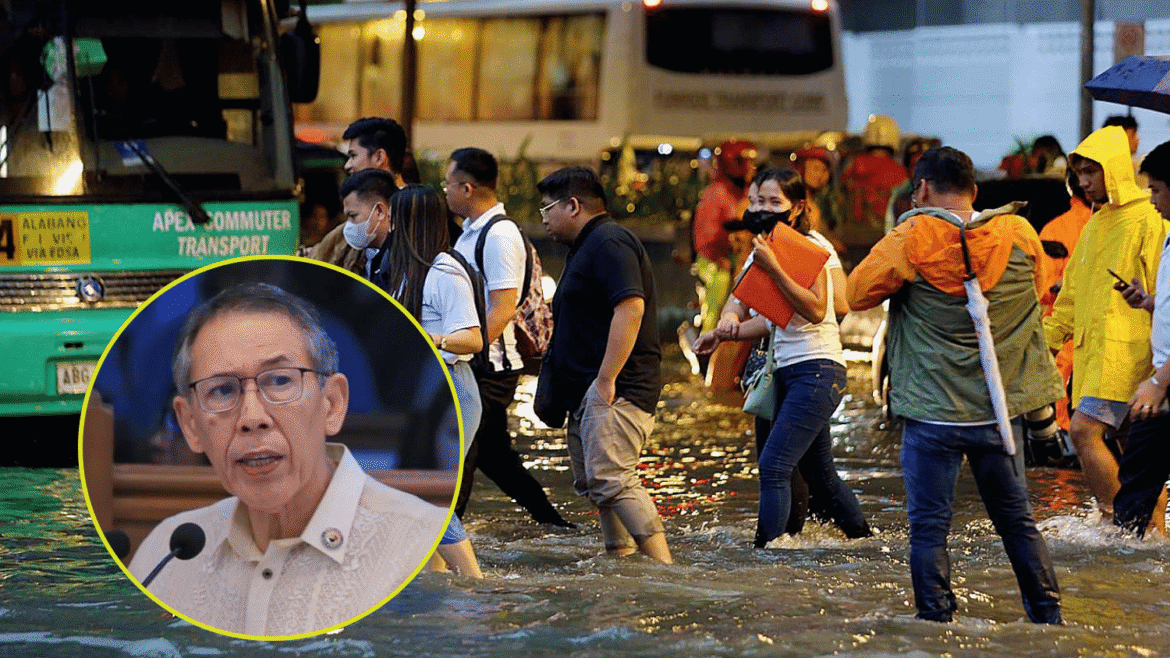
Metro Manila and parts of Luzon are being pounded by heavy rains, streets are flooding, classes are being suspended—and yet the Philippines is simultaneously entering a strengthening El Niño that could bring drought, extreme heat, and water shortages in the coming months.
El Niño is already firmly established in the tropical Pacific and is expected to strengthen into a very strong event before the end of 2026, according to the World Meteorological Organization. The agency places the probability of El Niño persisting through February 2027 at nearly 100 percent.
The important thing to understand is that El Niño does not mean rain suddenly disappears.
Its effects vary depending on location, season, and other climate systems. That means the Philippines can still experience intense Habagat rains, flooding, and tropical cyclones even while the larger Pacific climate pattern is shifting toward conditions that favor dryness later on.
That is where the real danger begins.
As the rainy season winds down and El Niño strengthens toward the end of the year, parts of the country could increasingly experience below-normal rainfall, prolonged dry spells, and rising temperatures.
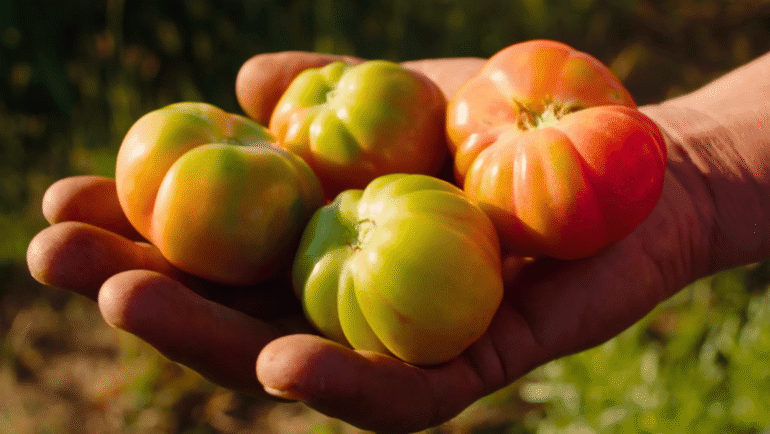
For farmers, that could mean reduced irrigation, stressed crops, and lower harvests. Rice-producing areas are particularly vulnerable when reservoirs and irrigation systems receive less water.
For households, the more immediate concern is water.
Major reservoirs such as Angat depend on sustained rainfall. If inflows weaken for months, authorities may eventually face pressure to conserve supplies or impose service interruptions.
Electricity is another concern. Hotter weather increases demand for air-conditioning and cooling, while reduced rainfall can also hurt hydropower generation—a dangerous combination for an already heavily used power grid.
Then there is health.
A stronger El Niño raises the risk of unusually high temperatures and extreme heat. Heat exhaustion, dehydration, and heat stroke become greater concerns, particularly for outdoor workers, children, and the elderly.
So enjoy the rain—but do not let it create a false sense of security.
Today’s flooded streets do not guarantee full dams and wet farms several months from now.
The strange reality of 2026 is that Filipinos may have to prepare for two extremes almost back-to-back: too much water now, and potentially too little later.
And if current forecasts hold, the hardest part of this El Niño may still be ahead.