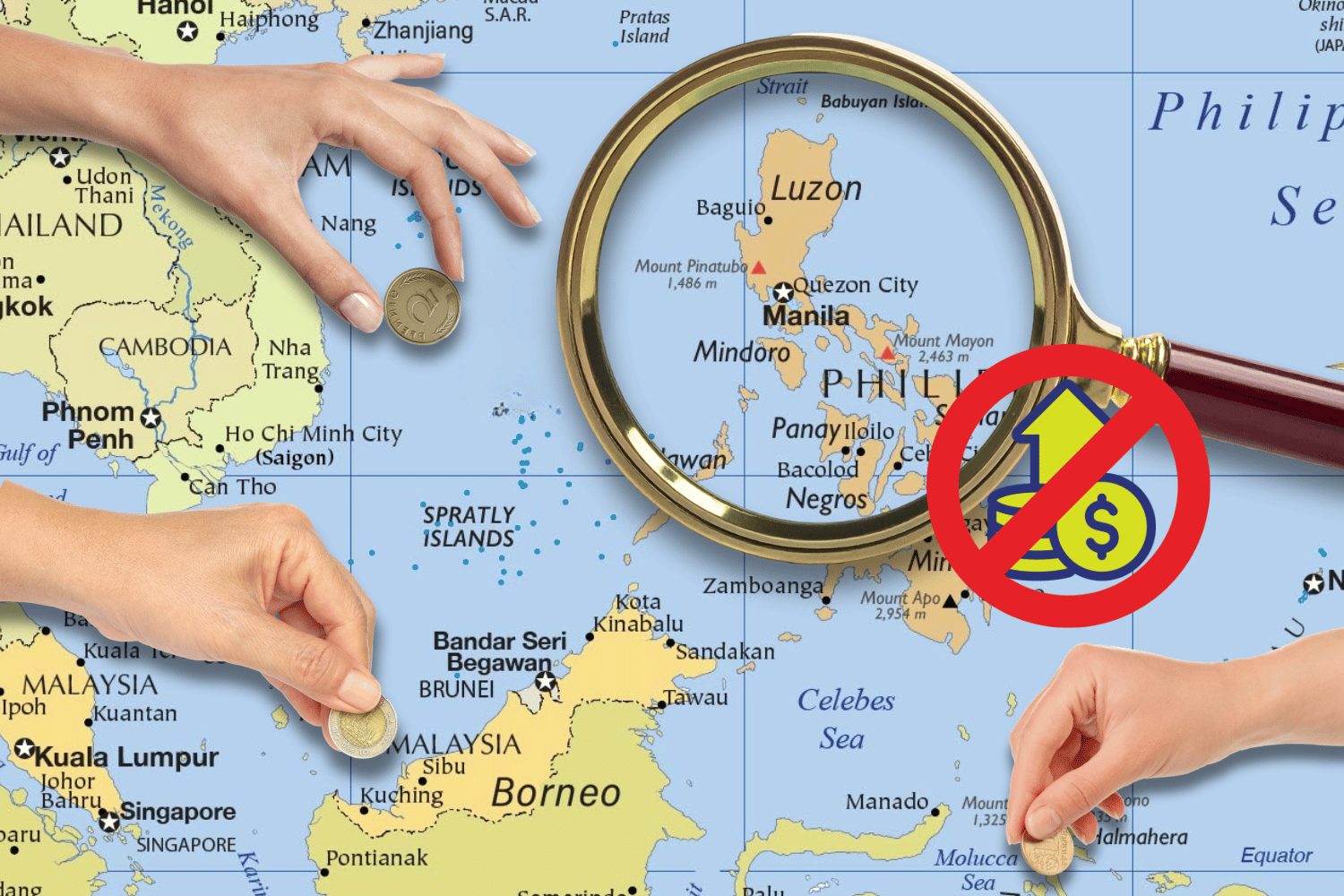
The country has opened more doors to foreign capital, but weak FDI suggests the bigger challenge may be keeping investors here and turning their money into jobs and business opportunities.
The Philippines has spent the past few years making it easier for foreign companies to invest here. Yet despite those reforms, foreign capital has been slow to follow.
Net foreign direct investment (FDI) fell to $7.791 billion in 2025, down 17.1% from the previous year and the lowest full-year level since the pandemic. The weakness has continued into 2026, with net FDI at $2.178 billion in January to May. May alone recorded just $210 million.
Over the past few years, the country has removed several restrictions on foreign ownership, including opening telecommunications, airlines, railways and shipping to full foreign ownership. It also loosened rules for foreign investors, overhauled corporate taxes and incentives, extended foreign land leases to as long as 99 years and removed renewable energy from investment restrictions.
So why aren’t we seeing more money come through it?
Lawyer Russell Stanley Q. Geronimo, founder and managing lawyer of Geronimo Law, made a useful point in his Aug. 30 opinion piece, “Where did our FDI go?” The Philippines may have focused heavily on making investment legally possible without doing enough to make operating a business here easier.
That becomes more interesting when you stop looking at FDI as a number and look at what that money is supposed to do.
A foreign company does not bring in billions simply to make an entry in the BSP’s statistics. It invests that money into something tangible, whether that means building a factory, a data center, a logistics operation, a hotel, a retail network, or a technology business.
Once that investment is made, other businesses can benefit from it. A new factory needs local suppliers and transport companies, creating demand for a wider network of businesses that provide everything from warehousing and maintenance to professional services. It also creates jobs and gives Philippine companies a chance to become part of the investor’s regional or global supply chain.
When a company decides to put that factory in Vietnam instead, the economic activity that could have followed the investment goes there as well. The factory hires workers and buys from local suppliers, while other businesses benefit from the demand it creates.
Full ownership is just the beginning
A company may now be allowed to own 100% of a Philippine operation, but that still leaves it dealing with the cost of electricity, moving goods through Philippine ports and roads, finding skilled workers, and navigating the permits and regulations that come with setting up a business.
If another country offers lower operating costs or more efficient logistics, along with a stronger network of suppliers, and a more predictable regulatory environment, being able to own 100% of a business may not be enough to win the investment.
Vietnam and Indonesia have benefited from companies restructuring supply chains beyond China, but they also have industry ecosystems that took years to build. Once a cluster is established, the next investor has access to suppliers, workers and supporting businesses that are already there.
And incentives only work if companies can actually use them.
Geronimo also pointed to implementation problems surrounding CREATE MORE and disputes involving investment promotion agencies. These may sound like technical government issues, but businesses experience them as delays, uncertainty, and additional costs.
A tax break can make a project more attractive, but unclear rules or delayed approvals can weaken that benefit. A regulatory dispute can add uncertainty and make an investor reconsider whether the potential return is worth the trouble.
Getting those fundamentals right is what will determine whether the reforms translate into actual investment.
Improving the business encounter
The Philippines has already shown that it can change laws. The next test is whether it can improve the environment businesses encounter after they arrive.
That means making power and logistics more reliable, speeding up government processes, and building infrastructure that can support new investment, while giving businesses access to skilled workers and predictable rules.
These improvements would benefit foreign investors, but they would also benefit Philippine businesses operating under the same conditions every day.
Foreign investment is valuable not simply because the money comes from abroad, but because it can create economic activity that reaches beyond the original investor.
The Philippines has made it easier for foreign capital to enter. Now it has to give that capital a compelling reason to stay, expand, and bring other businesses along with it.
Opening the door is only the first step. The real competition begins once investors walk through it.
READ:
SM Investments shifts capital away from mining as Atlas exit nears
Kiara Gorrospe
August 13, 2026

EXCLUSIVE: Pax Silica shows ‘at least PH is being considered for investment’ — economist
Kiara Gorrospe
August 13, 2026

Pax Silica could bring global tech jobs home. Will Filipinos benefit?
Kenneth M. del Rosario
August 3, 2026
Tags: bangko sentral ng pilipinasChinaCorporate Recovery and Tax Incentives for Enterprises to Maximize Opportunities for Reinvigorating the Economyeconomic growthelectricity costsenvironmentforeign capitalforeign direct investmentforeign ownership lawsGeronimo LawIndonesiainfrastructurelogisticsregulatory complianceRussell Stanley Q. GeronimoVietnam