Studies on edible Asplenium species have found dietary fiber, minerals and plant compounds with antioxidant activity.
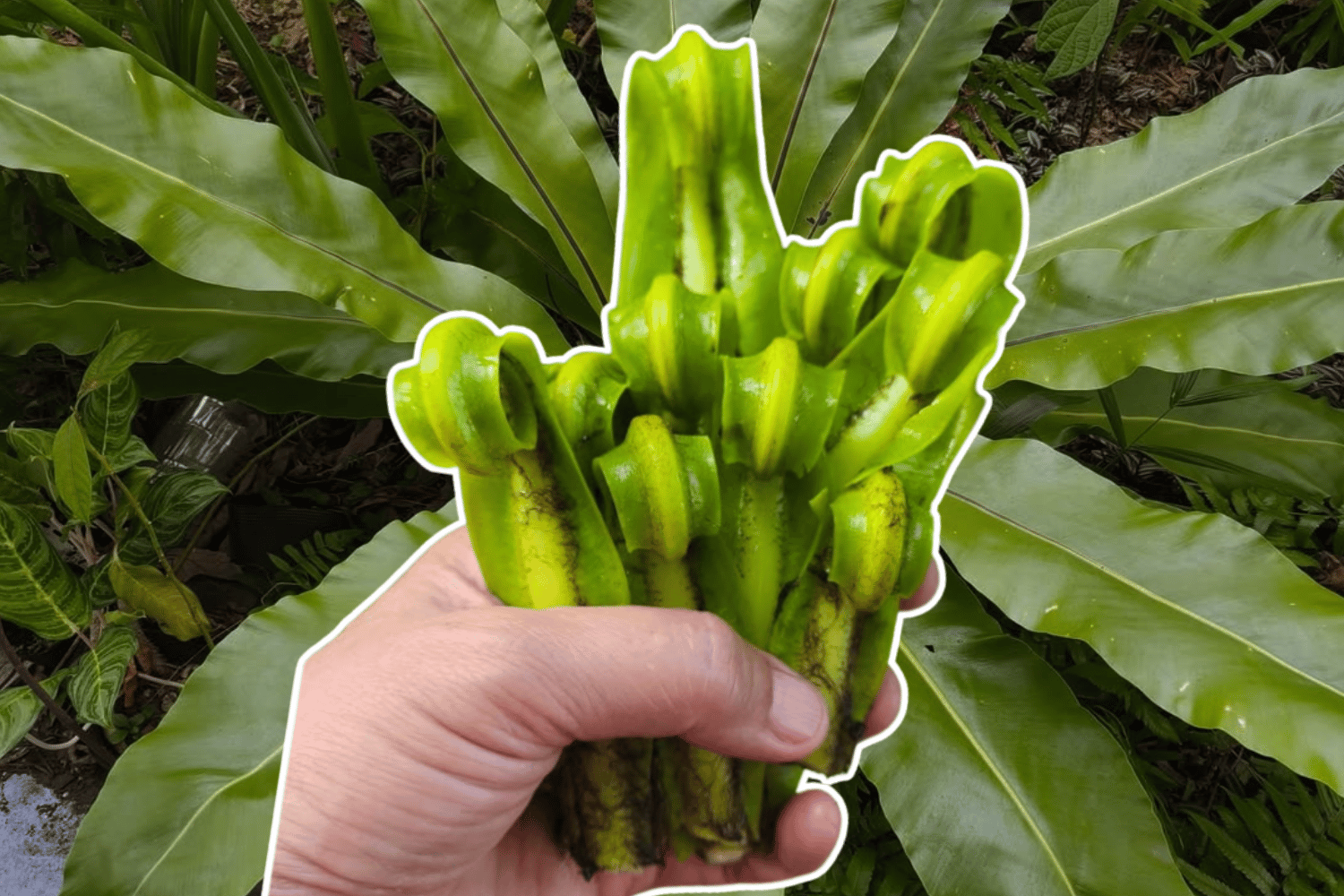
You may have seen it growing on a tree, tucked into a damp corner of the garden, or deliberately planted as an ornamental. Its broad green fronds spread from the center like a giant nest.
But pakpak lawin is not just something to look at. Its tender young shoots can actually end up on your dinner table.
The bird’s nest fern, commonly identified as Asplenium nidus and known in parts of the Philippines as pakpak lawin, has young shoots that are eaten as a vegetable in several parts of Asia and the Pacific.
The edible part is not the tough, fully grown frond. It is the tender young growth harvested before it completely unfurls. When cooked, it can have a pleasantly crisp texture and mild vegetal flavor that works well with strong, savory ingredients.
In Taiwan, edible bird’s nest fern is popularly known as shan su and is commonly stir-fried with garlic and other savory ingredients. Similar young fern shoots are also cooked in parts of Southeast Asia and the Pacific.
And pakpak lawin can easily find its way into a Filipino kitchen.
The young shoots can be blanched and sautéed with garlic, onion and tomatoes. They can be stir-fried with bagoong or dilis for a salty kick. Another tempting preparation is ginataan—tender fern shoots simmered in coconut milk with garlic, ginger and chili, much like other native leafy vegetables.
Its appeal goes beyond taste.
Research on edible Asplenium species has found dietary fiber, minerals and plant compounds with antioxidant activity. Studies have reported nutrients including potassium, calcium and iron, as well as carotenoids and other antioxidant compounds.
But pakpak lawin should not be promoted as a miracle vegetable. Its nutritional content can vary according to species, growing conditions and preparation, and nutritional figures for other fiddlehead ferns should not automatically be applied to Asplenium nidus.
There is also one important warning: never assume that any fern growing in your backyard is edible.
Different fern species can look alike, and not all wild ferns should be eaten. Even edible fern shoots are generally cooked rather than consumed raw. Proper identification and thorough cooking are essential before putting them on the table.
So that big pakpak lawin you have been admiring—or ignoring—for years may be hiding a delicious secret.
What looks like ordinary backyard greenery can also be a vegetable enjoyed elsewhere in Asia: blanched, stir-fried, cooked with bagoong or simmered in creamy gata.
Sometimes, dinner may already be growing right outside your door.
READ: