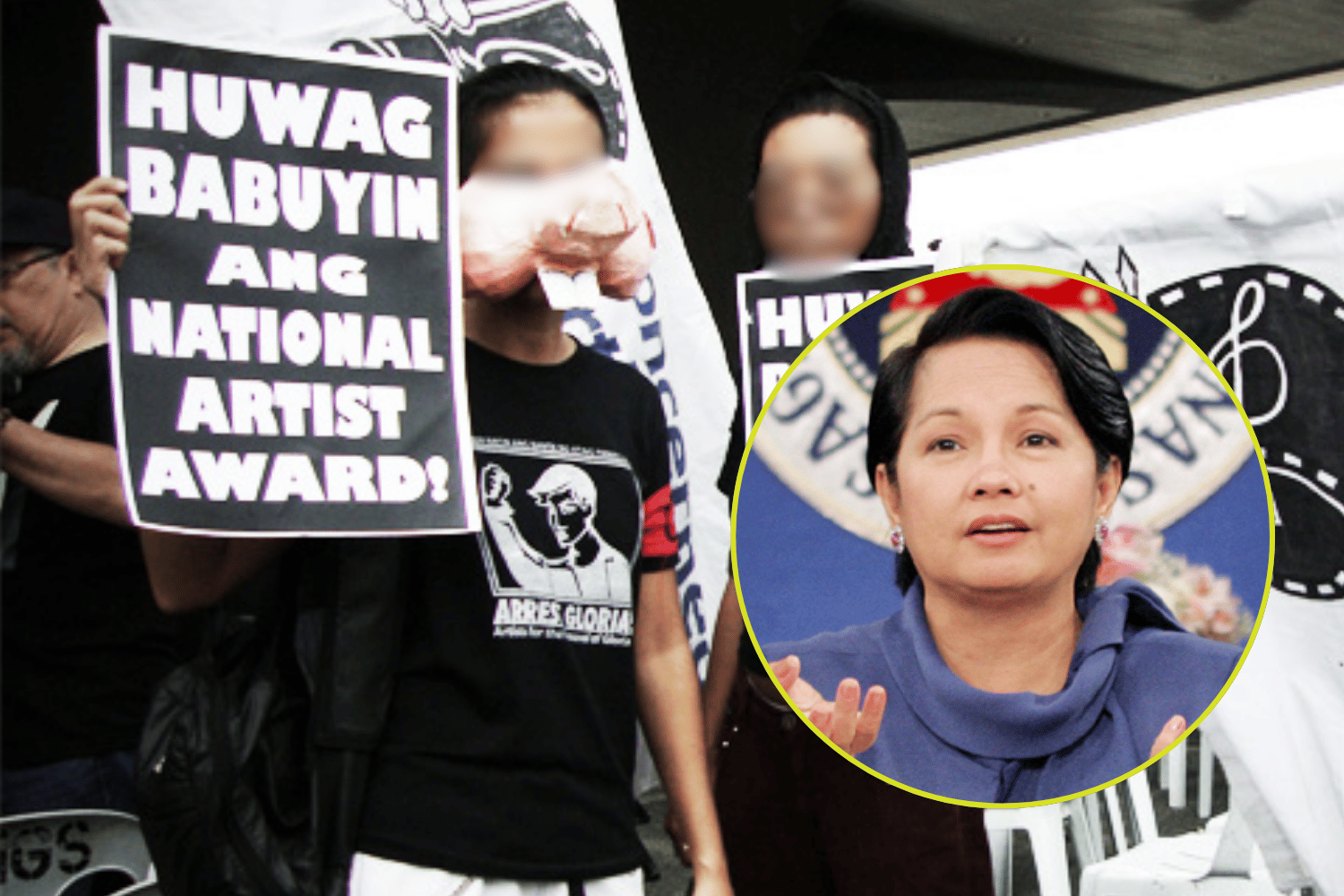
The move sparked protests from artists, cultural workers, and living National Artists.
Every time a new batch of National Artists is announced, the country almost automatically gets a celebratory moment. But 17 years ago, the honor became the center of a political and cultural firestorm.
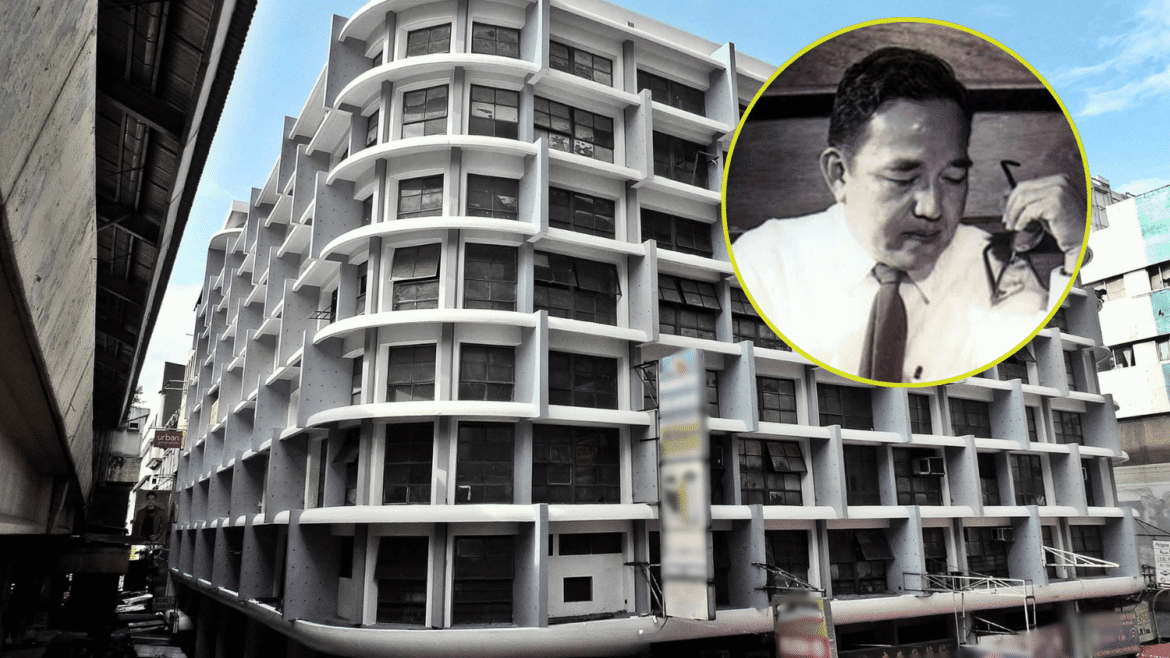
In 2009, then-President Gloria Macapagal-Arroyo handpicked four names to the National Artists roster: Cecile Guidote-Alvarez for Theater, Carlo J. Caparas for Visual Arts and Film, Francisco “Bobby” Mañosa for Architecture, and Jose “Pitoy” Moreno for Fashion Design.
However, the four chosen by Arroyo had never gone through a rigorous selection process. Normally, dozens of nominations were pre-screened, then passed through three rounds of deliberation before the National Commission for Culture and the Arts and the Cultural Center of the Philippines submitted a final list to the President. (Mañosa would eventually become a National Artist in 2018.)
The move sparked protests from artists, cultural workers, and living National Artists, who accused the administration of politicizing the country’s highest cultural honor.
Eddie Romero acknowledged that the President had the power to make such choices, but said the scale of the intervention was unprecedented: “It seems it’s the first time the presidential prerogative was used to declare four artists. It’s like a wholesale declaration.”
Bienvenido Lumbera, who’s also a member of the final selection committee, said there had been “heavy campaigning” during the nominations because the government wanted to ensure the selection of four people.
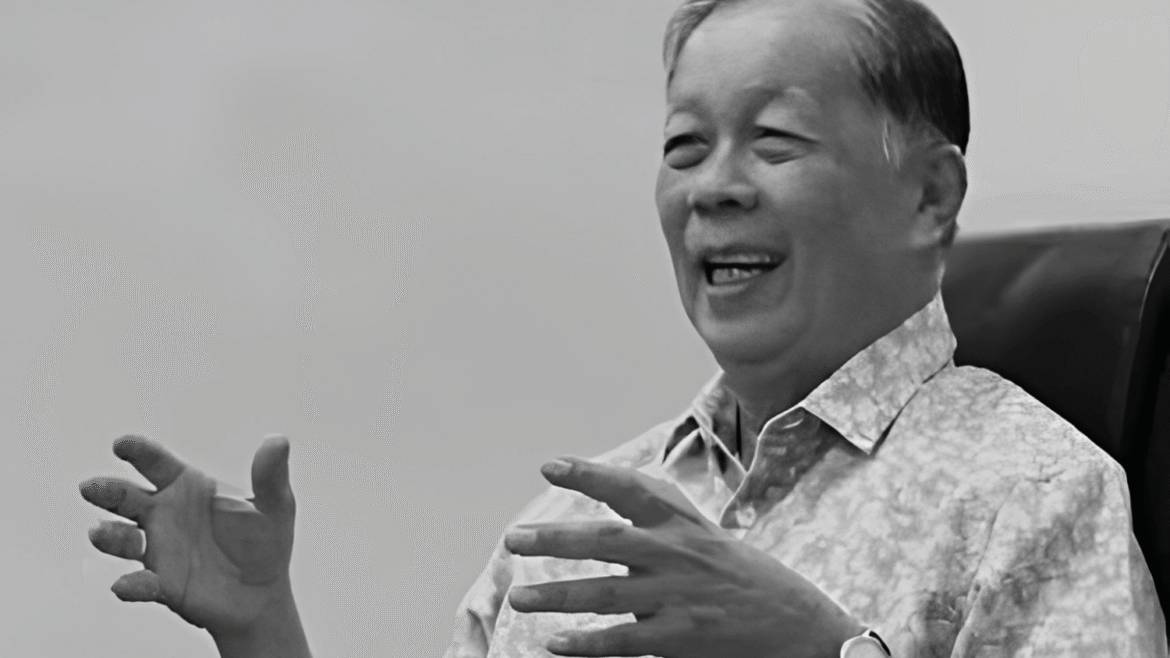
Caparas drew some of the sharpest criticism. Critics questioned his qualifications for Visual Arts because he wrote, but did not illustrate, his comics. His films were also criticized as sensational “massacre films.” Lumbera said Caparas had been rejected twice by separate panels: first for Literature, then for Visual Arts.
Caparas defended his selection, saying: “Ganyan talaga kung may something for grabs, may nag-aagawan.”
Guidote-Alvarez, then NCCA executive director, also faced criticism over her inclusion. Lumbera said she had insisted on the President’s right to add names that had not been discussed by the selection committee. Guidote-Alvarez defended her record, saying, “Before you make a judgment, read my achievements first as an artist. Was I an idiot before I became a national artist?”
The Arroyo administration likewise defended the four choices. Acting Executive Secretary Gabriel Claudio said the government could defend their “track record and qualifications and reasons” for their selection.
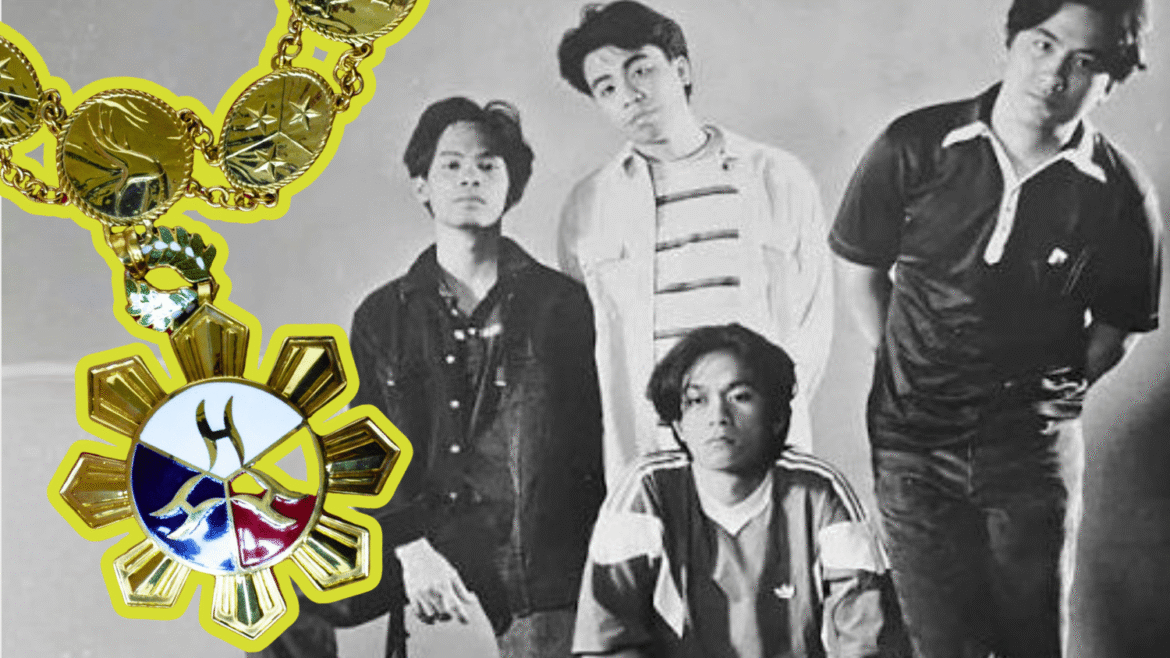
There was another controversy buried in the list: Ramon Santos, who had been recommended by the selection process, was dropped from the final roster. He would eventually be named National Artist for Music in 2014.
The dispute eventually reached the Supreme Court. In 2009, the Court issued a status quo ante order stopping the conferment of the awards. In 2013, it invalidated the proclamations naming Arroyo’s four additions, finding grave abuse of discretion in the way the presidential prerogative had been exercised.
The Court’s ruling did not declare the four artists unworthy of recognition. It centered on the process—and on the administration’s disregard of the established rules governing the selection of National Artists.
As another generation of National Artists join the lineup, the events of 2009 remain a cautionary tale.
READ: