SSS covers the permanent loss of specific body parts or functions, turning contributions into financial support.
Losing your eyesight, hearing, a limb or the permanent use of part of your body can dramatically change your ability to earn a living. But many Filipino workers may not realize that their SSS contributions could provide financial support when this happens.
The Social Security System provides a Disability Benefit to qualified members who become permanently disabled, either totally or partially. Even a member with at least one contribution paid before the semester of disability may potentially qualify.
What counts as total disability?
Permanent Total Disability covers severe, lasting disabilities. SSS specifically identifies complete loss of sight in both eyes; loss of two limbs at or above the ankles or wrists; permanent complete paralysis of two limbs; and brain injury resulting in incurable severe mental incapacity.
Other cases may also be approved by SSS following medical evaluation.
You don’t have to be totally disabled
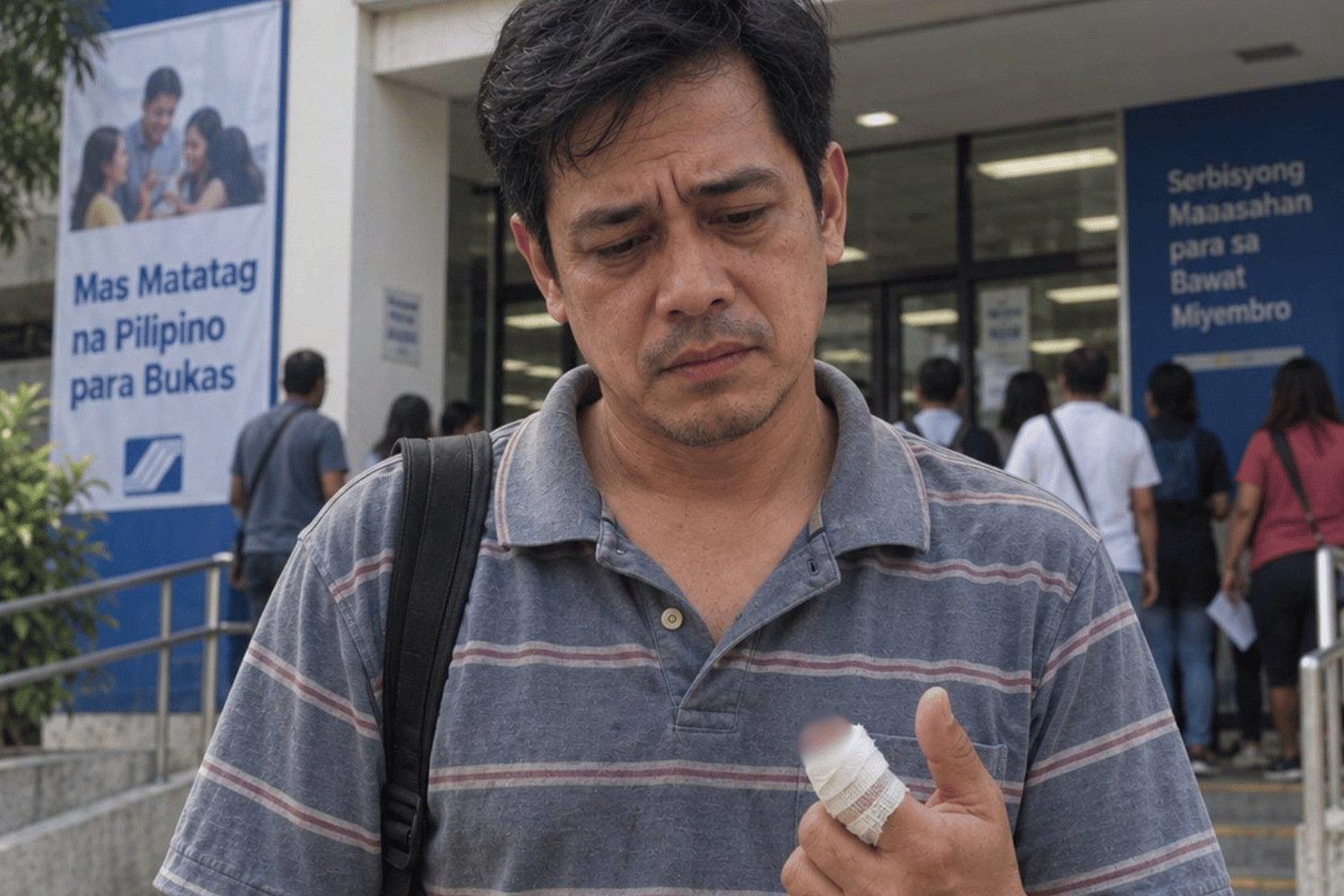
Permanent Partial Disability covers the complete and permanent loss or loss of use of particular body parts or functions.
The SSS list includes a thumb or certain fingers, a big toe, hand, arm, foot or leg; one or both ears; hearing in one or both ears; and sight in one eye.
Certain surgeries involving the uterus and ovaries may also qualify for female members below age 45 at the time of operation.
How much can you get?
Members who paid at least 36 monthly contributions before the semester of disability may qualify for a monthly pension. Those with fewer than 36 generally receive a lump sum.
For partial disability, the duration or amount depends on the degree of disability. Benefits payable for less than 12 months are generally paid as a lump sum.
The minimum monthly disability pension is ₱1,000 for members with fewer than 10 credited years of service, ₱1,200 for those with at least 10, and ₱2,400 for those with at least 20.
Disability pensioners may also receive additional benefits under SSS rules, including a supplemental disability allowance and, for qualified pensioners, a 13th-month pension.
Qualified minor children of a total disability pensioner may also receive a dependent’s pension, subject to SSS rules and a maximum of five children.
And if the disability resulted from work, the member may potentially qualify for benefits under the separate Employees’ Compensation Program as well.
The important point: disability under SSS is not limited to someone who can no longer move or work at all. A permanent loss of a specific body part or function may already be compensable—and years of contributions could translate into financial help when it is needed most.
READ: