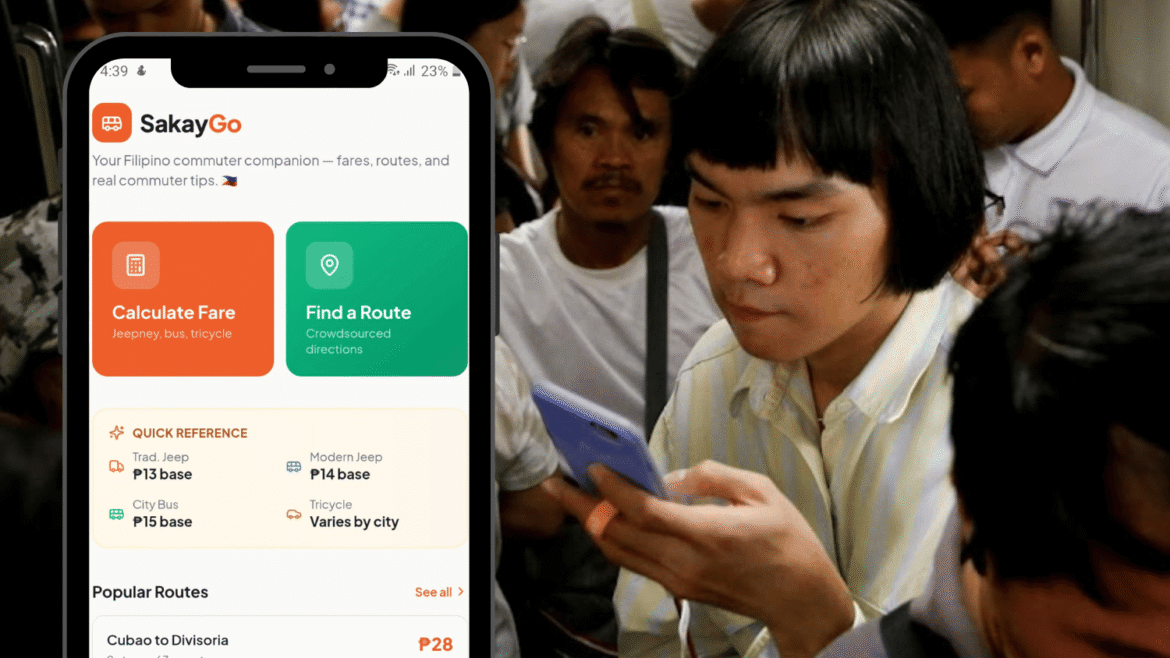
Expensive financing leaves drivers working for cooperatives rather than owners of their own livelihoods.
The Sarao x Tembo Electric Jeepney just became more attractive on paper.
A quotation dated September 14, 2026 puts its suggested retail price at ₱2.8 million, lower than the previously reported ₱3 million to ₱3.5 million range.
That is good news. But cheaper does not necessarily mean affordable.
Even with a ₱400,000 government equity subsidy, the remaining cost could still reach ₱2.4 million. Financing can spread that burden over several years, but it does not make the debt disappear.
The quotation itself shows the scale of the investment. For cash purchases, 50% is required upon confirmation, 30% during production and the final 20% before release. Bank financing is available, subject to the lender’s terms.
And this brings us back to one of the biggest concerns surrounding jeepney modernization: Will modernization ultimately benefit transport operators and cooperatives more than the actual drivers?
Modern PUVs are typically acquired by cooperatives or corporations rather than individual drivers. The government is even providing qualified transport entities with temporary monthly amortization assistance for modern units.
But if a cooperative owns the ₱2.8-million vehicle while the driver remains essentially a worker behind the wheel, who ultimately builds wealth from modernization?
Electric savings are real
There are compelling reasons to go electric.
Electric vehicles eliminate diesel expenses and generally have fewer mechanical parts requiring routine maintenance. For vehicles running long hours every day, those savings can become substantial over time.
The Sarao x Tembo is particularly promising. It has a claimed range of up to 300 kilometers and already completed a roughly 760-kilometer round-trip pressure test from Las Piñas to Bicol and back, tackling expressways, provincial roads and uphill routes.
But the real question is not simply whether an electric jeepney saves money.
Who gets the savings?
If lower fuel and maintenance expenses primarily strengthen the finances of the cooperative or fleet operator, while drivers continue earning roughly the same amount, then the economic promise of electrification has not fully reached the people modernization is supposed to help.
Drivers should not be left behind
Modernization should therefore be measured by more than the number of new vehicles on the road.
We should ask whether drivers earn more, whether their debt is manageable and, importantly, whether they have a realistic path toward ownership of the vehicle they drive.
The ₱2.8-million Sarao x Tembo is an exciting piece of Filipino transport engineering. Its lower price is a welcome development.
But ₱2.8 million is still ₱2.8 million.
If the Philippines truly wants a just transition to electric public transportation, modernization cannot simply replace old jeepneys with new ones while turning independent drivers into permanent employees.
The jeepney of the future should improve not only the vehicle, but the life of the Filipino driving it.
READ: