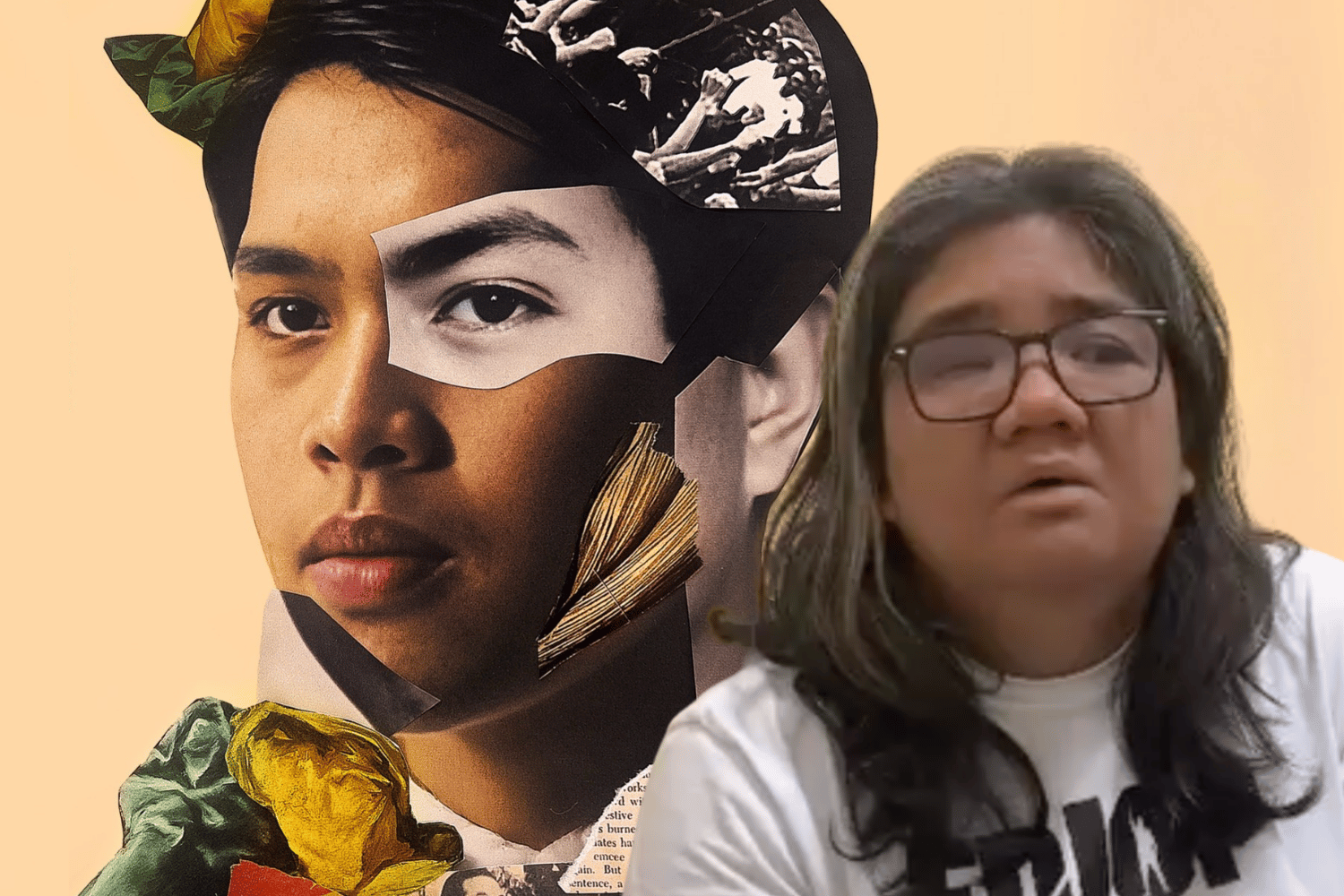
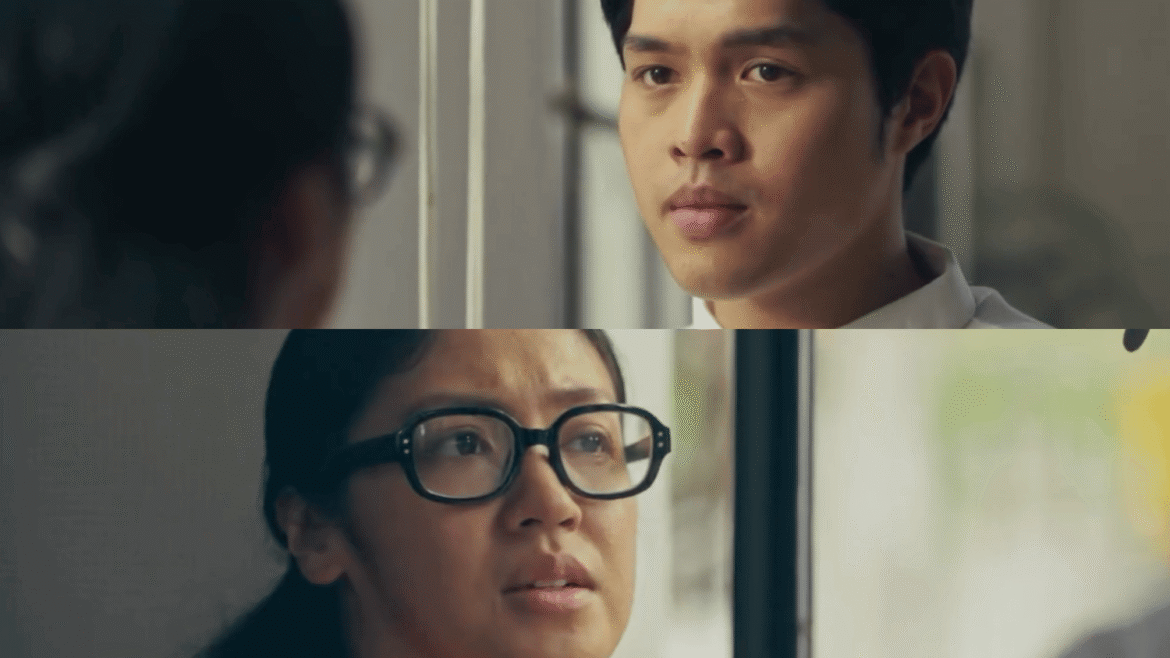
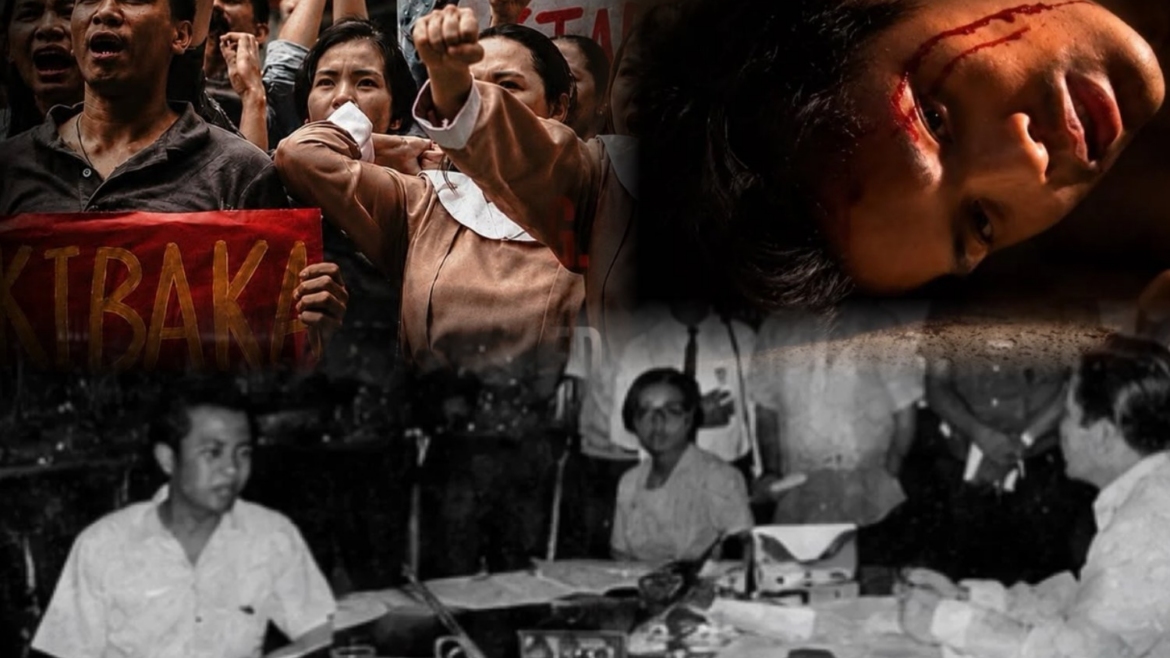
“It’s not a documentary, but it’s not historical fiction,” Flores explained, noting that the project is “definitely based on research.”
To ensure authenticity, the production team didn’t just rely on dedicated researchers; they went straight to the source.
Alongside Joyette Jopson, Edjop’s eldest daughter and the film’s executive producer, Flores detailed an extensive interview process with Edjop’s siblings and widow to anchor the film’s emotional core.
“I spent four weeks, four hours per session interviewing Tita Joy [Edgar’s wife],” she shared.
The screenplay also draws heavily from Benjamin Pimentel’s definitive biography of Edjop, “UG: An Underground Tale,” along with a wealth of archival photos.
While historical films like “Katips” and “Quezon” embraced wider creative liberties, Flores insists “Edjop” remains firmly grounded in reality.
She acknowledged taking some creative liberties “in terms of how I would interpret or visualize how I imagine the scene played out,” but clarified that these choices were made strictly “for [the] purpose of narrative” and to serve as a “dramatic engine.”
Ultimately, Flores says the film stays much “closer to what actually happened” and stands as a deeply personal project “inspired by the truth, inspired by memories of real events.”
“Edjop,” starring Elijah Canlas, Jodi Sta. Maria, Kakie Pangilinan, Menchu Lauchengco-Yulo, Nour Hooshmand, and Cedrick Juan, opens today in cinemas nationwide. Student audiences can avail of a special ₱200 rate for the first five days of the film’s release.
READ: