The first bite is confusing—in the best possible way.
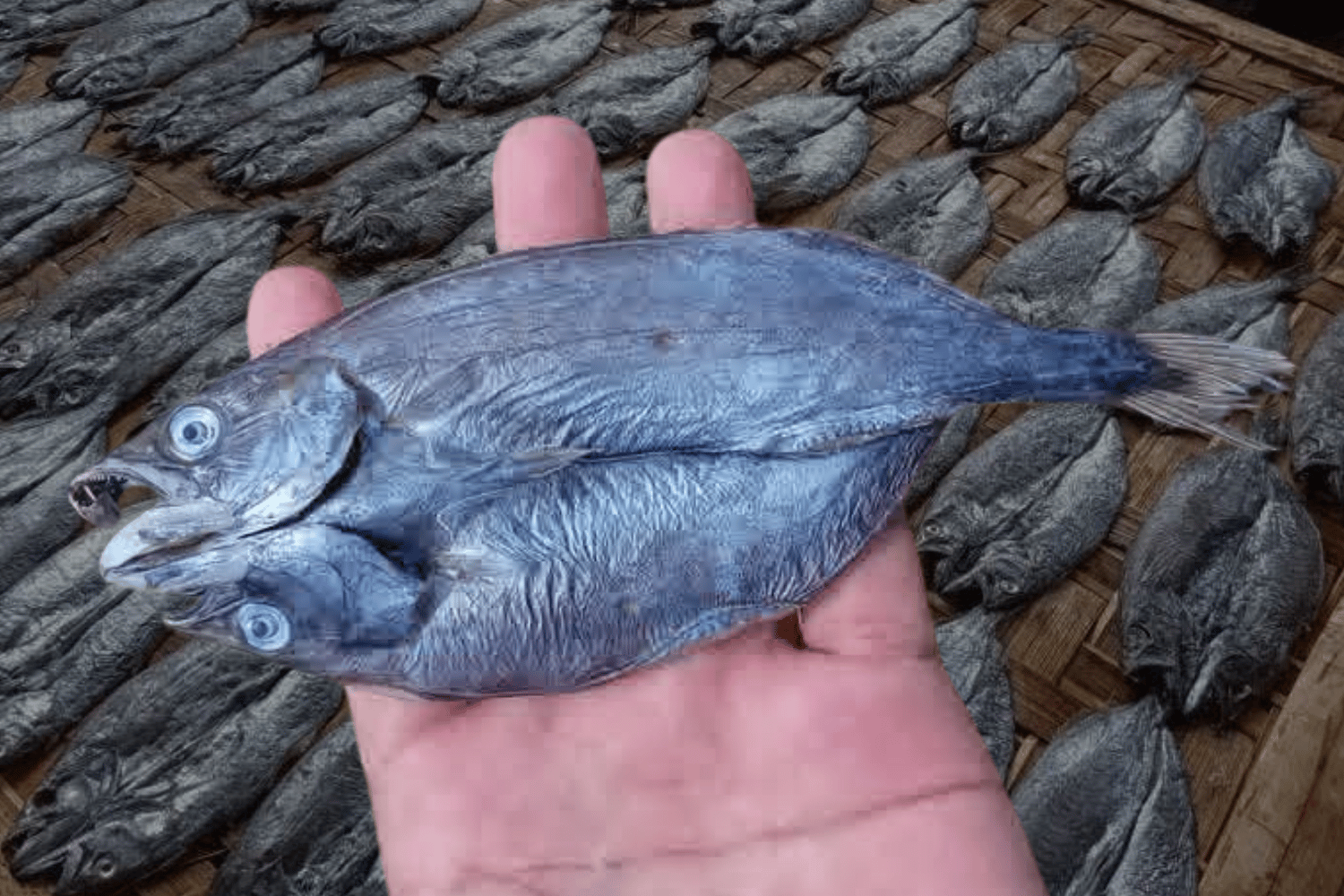
On the plate, laygit taba looks like the daing you have eaten countless times: small, flattened, fried until golden, with edges that promise a satisfying crunch. You brace for the familiar blast of salt and brittle flesh.
Instead, your teeth break through crisp skin into something unexpectedly soft, almost juicy and distinctly oily.
This is not your usual daing.
In Bicol, it is called laygit taba, sometimes spelled layget or ligate taba. In markets, it goes by the wonderfully curious nickname “New Look.”
The luxury is in the fat
“Taba” is the clue.
The fish is naturally rich in oil, giving it a fuller, more indulgent character after drying. Where ordinary dried fish can become lean and leathery, laygit taba retains a tender interior beneath its crisp exterior.
Associated with coastal communities in Camarines Sur, particularly Balatan, the delicacy begins simply: fresh fish is cleaned, opened flat, lightly salted and dried under the tropical sun.
That restraint matters. The pleasure of laygit taba is not simply salt—it is texture and richness.
Once fried, its delicate bones turn crisp enough that practically the entire fish can be eaten. A quick rinse before cooking helps tame excess surface salt, while only a brief encounter with hot oil is needed to bring it to life.
How to eat it
The ideal plate needs little embellishment: hot sinangag, a fried egg and tomatoes still cool from the refrigerator.
Then something sharp.
A bowl of vinegar punched up with sili provides the acidity needed to slice through all that glorious oiliness. Calamansi works beautifully, too.
Eat it with your hands, breaking off crisp pieces between spoonfuls of rice. Suddenly, something as humble as dried fish feels luxurious.
Laygit taba also plays well beyond breakfast. Flaked into olive oil with garlic and chilies, it can dress pasta. Beside champorado, its savory richness provides the salty counterpoint Filipinos instinctively understand.
But the best introduction remains the simplest.
Fry it until golden. Serve it with rice and vinegar. Take a bite while it is still hot.
You may have eaten daing your entire life.
“New Look” makes you taste it differently.
READ: