The mansion survived war, lost its beachfront view, and outlived the wealth that created it.
Long before reclamation pushed Manila Bay far from Calle Real, there stood a Parañaque home so lavish that stories about it bordered on the unbelievable.
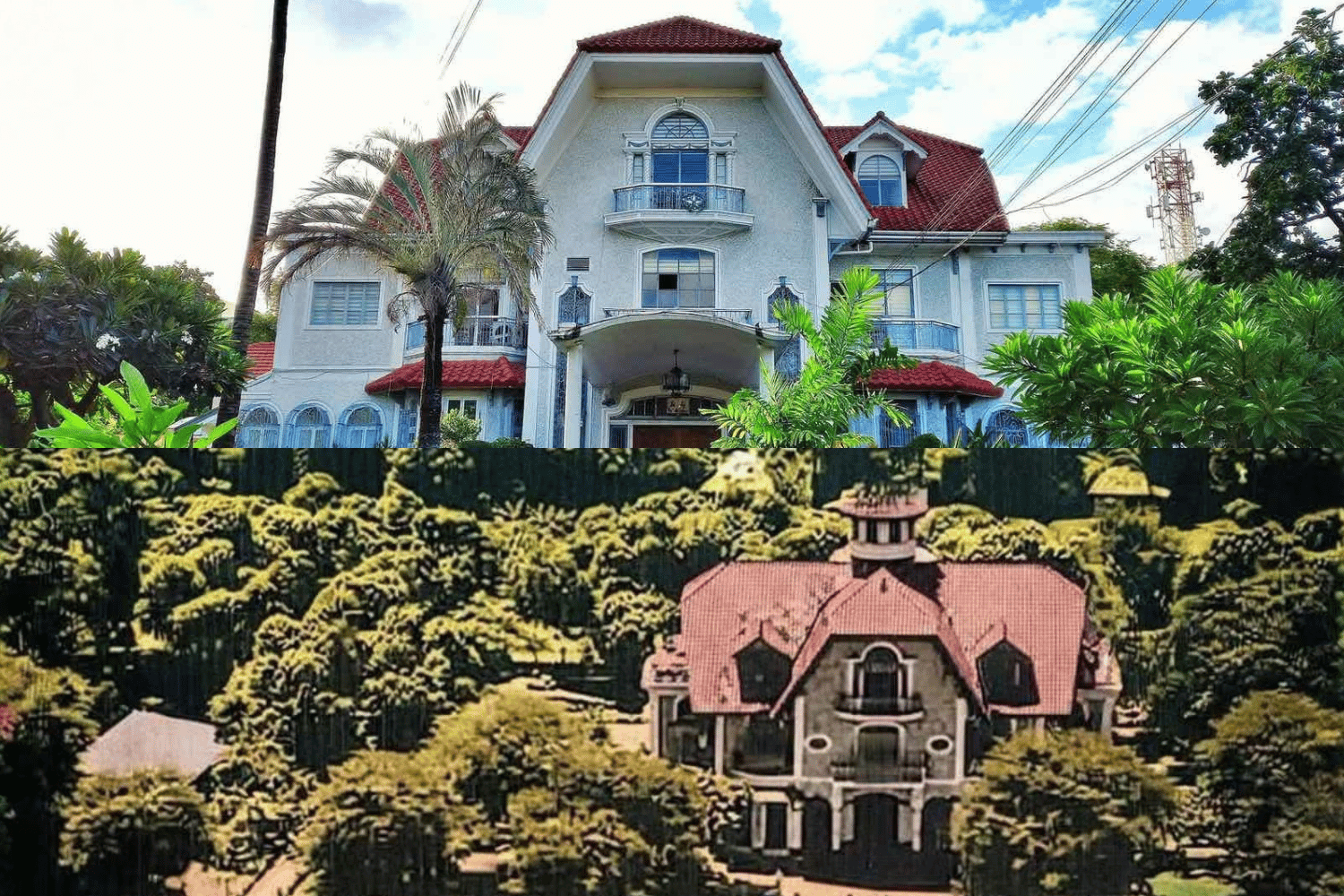
It had a grand European-inspired façade, sprawling grounds for receptions, its own swimming pool and a sweeping view of Manila Bay. At a time when Parañaque still had beachfront estates, the Don Adolfo Garcia Residence was reportedly the kind of place where Manila’s elite gathered for spectacular parties.
Accounts about the Garcia family home even described it as being second only to Malacañang Palace in opulence.
And incredibly, the house is still standing.
The Parañaque City Tourism Office recently drew attention to the historic residence at 517 Calle Real, describing its architecture as having characteristics of a French château.
According to research cited by the tourism office and attributed to Garcia family descendants, the residence was designed by Andrés Luna de San Pedro, architect and son of Filipino master painter Juan Luna.
Old photographs and family accounts offer a glimpse of just how extraordinary the property once was. The enormous residence had spaces capable of accommodating large receptions and a swimming pool—a remarkable luxury in prewar Manila. The Garcia-Llamas family was among the country’s wealthy Spanish-mestizo clans, and its Parañaque beach home became synonymous with their privileged world.
The family also produced an important Filipino artist.
Don Adolfo’s son Antonio Garcia Llamas became one of the best-known portrait painters of postwar Philippine high society. He studied in Spain and Italy, later taught at the University of Santo Tomas and painted prominent Filipinos. A portrait he made of Ramon Magsaysay is part of the Malacañang collection.
But war dramatically changed the Garcia mansion’s story.
According to an account involving Garcia-Llamas family history, Don Adolfo feared that Japanese forces would eventually take over the property. Toward the end of World War II, he reportedly sold the mansion for a staggering ₱300,000.
There was one devastating catch: he was paid in Japanese-issued currency—the notorious “Mickey Mouse money” that became virtually worthless with Japan’s defeat.
The Parañaque City Tourism Office says the mansion itself would become part of the liberation story. On February 3, 1945, it served as a headquarters for American forces during operations to free Parañaque from Japanese occupation.
After the war, according to the tourism office, the residence passed through the hands of prominent political families. Cebu senator Manuel C. Briones first acquired it, followed later by former Agusan del Sur representative and governor Democrito O. Plaza.
Today, the mansion no longer looks out directly onto the beach that helped make it legendary. Decades of development and coastal reclamation radically transformed this part of Parañaque.
Yet the old house survives—a physical reminder that behind the traffic, concrete and rapidly changing skyline of modern Metro Manila are remnants of an entirely different city.
Perhaps that is what makes the Don Adolfo Garcia Residence remarkable.
A house that once entertained Manila’s elite, witnessed war, reportedly became an American military headquarters, survived the disappearance of the beach outside its doors and outlived the fortune and society that created it is still there.
And for many Filipinos passing through Parañaque today, one of the grandest houses of prewar Manila has been hiding in plain sight.
READ:

The Coconut Palace that Pope John Paul II refused to stay in
Top Dagohoy
August 28, 2026
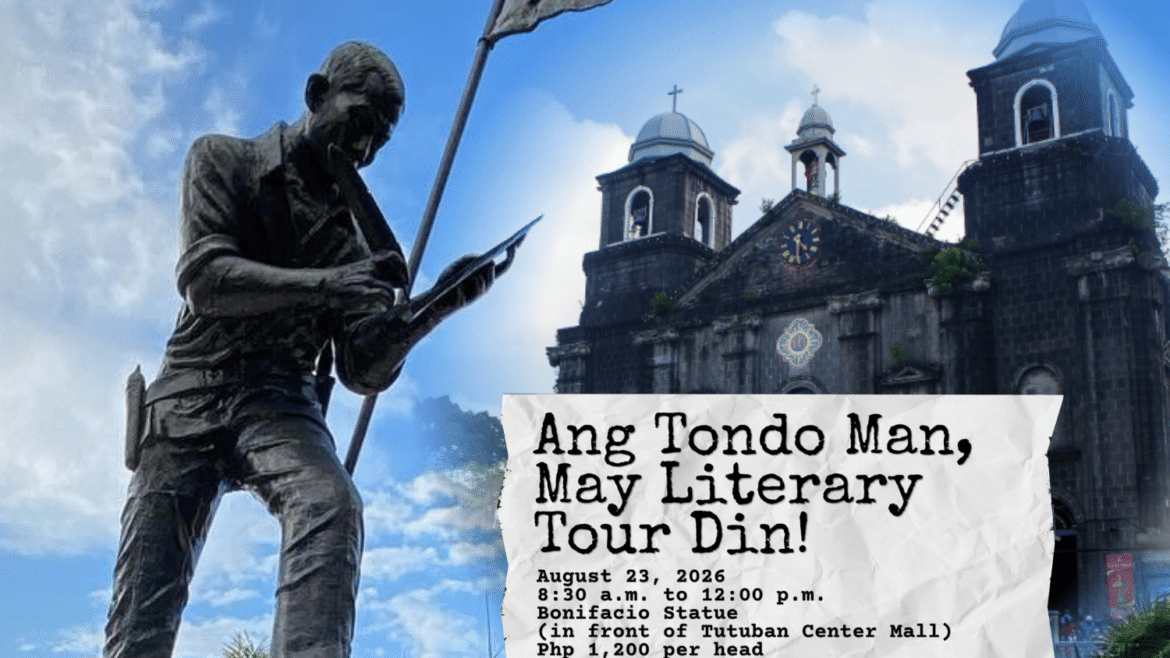
Tondo’s literary heritage takes center stage in unique walking tour
Top Dagohoy
August 5, 2026
Escolta’s ‘flying saucer’ is now protected heritage
Top Dagohoy
August 29, 2026
Tags: Andrés Luna de San PedroAntonio Garcia LlamasarchitectureCalle RealDemocrito O. PlazaDon Adolfo GarciaDon Adolfo Garcia ResidenceFrench châteauhistoryJuan LunaMalacañang PalaceManila BayManuel C. Brionesmetro manilaParañaque CityParañaque City Tourism OfficeRamon MagsaysayUniversity of Santo TomasWorld War II