Most audiences may not even notice it.
Filipino moviegoers can be merciless once the letters “AI” enter the conversation.
A poster suspected of being AI-generated gets dissected. A questionable frame gets screenshotted and enlarged. A filmmaker admits using artificial intelligence and social media erupts with accusations of laziness, cheating or disrespect for artists.
But here is the uncomfortable part: many Filipinos may already have watched—and even praised—movies that used AI without realizing it.
Hollywood’s relationship with artificial intelligence has moved far beyond experimentation. A July 2026 Los Angeles Times examination of studio hiring found that more than one in 10 job postings it surveyed appeared connected to AI, even as Hollywood continues publicly wrestling with the technology’s effects on jobs, copyright and creative labor.
And some acclaimed films have already put AI directly into finished performances.
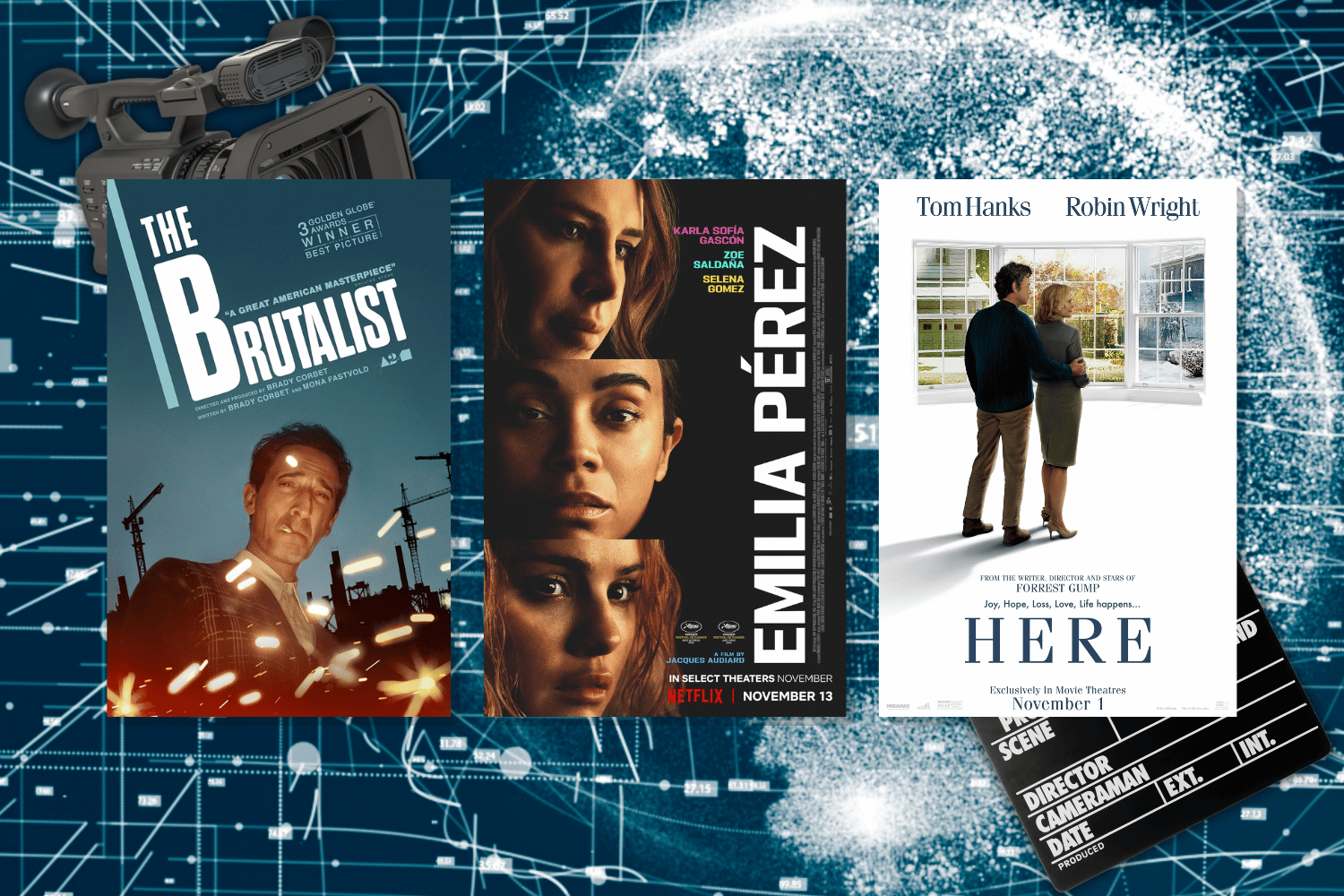
“The Brutalist,” which received 10 Oscar nominations, used AI technology from Respeecher to refine portions of Adrien Brody and Felicity Jones’ Hungarian dialogue. Director Brady Corbet stressed that the actors worked with a dialect coach and that the technology was used to adjust specific sounds rather than manufacture their performances.
“Emilia Pérez,” another major awards contender, also used Respeecher. Its sound team used voice technology to blend elements of Karla Sofía Gascón’s singing with the voice of French singer Camille, extending the character’s vocal range.
Then there is “Here,” Robert Zemeckis’ film starring Tom Hanks and Robin Wright. Instead of relying entirely on conventional visual-effects techniques or casting different actors for different ages, the production used machine-learning-powered facial transformation technology to make its stars appear across decades of their characters’ lives.
And the list extends beyond those films. Productions including “Dune: Part Two” and “A Complete Unknown” have also incorporated AI in varying degrees, prompting the Academy to examine stronger disclosure rules around the technology.
Perhaps the clearest indication of where Hollywood is heading comes from Lionsgate.
The studio behind franchises such as “John Wick,” “The Hunger Games” and “Saw” first partnered with generative-AI company Runway in 2024. By June 2026, the companies had expanded that relationship, with Lionsgate taking an equity interest in Runway and announcing plans to jointly develop new projects.
Runway says its technology is already being used across Lionsgate operations for previsualization, storyboarding and final-frame production.
That does not mean every Hollywood blockbuster is secretly “AI-generated.” Nor does using AI to correct a few sounds in an actor’s dialogue carry the same creative or ethical implications as generating an entire performance, replacing an artist or creating finished imagery from prompts.
That distinction is exactly where the conversation becomes complicated.
AI can now touch a film at numerous points—from planning and storyboards to voices, facial transformations, visual effects and finished frames. Some applications augment work performed by humans. Others raise much harder questions about consent, copyright, compensation and whether technology is eliminating jobs that previously belonged to actors and artists.
Those concerns are not imaginary. AI protections became a major issue during Hollywood’s 2023 writers’ and actors’ labor disputes. The agreements that followed established guardrails around areas including writers’ work and performers’ digital replicas.
There has also been resistance within Hollywood itself. The horror film “Heretic,” for example, explicitly declared in its credits that no generative AI was used in making the movie.
But Hollywood is hardly abandoning AI.
It is building infrastructure around it.
That creates an awkward question for Filipino audiences increasingly quick to condemn local productions over any suspected use of artificial intelligence: Are we applying a standard to Filipino filmmakers that we do not apply to the Hollywood movies we willingly pay to watch?
The issue should not be reduced to whether something “used AI.”
The more revealing questions are how it was used, whose work it replaced or assisted, whether the people whose faces and voices were involved consented and were compensated, whether copyrighted material was properly handled, and whether filmmakers were transparent about what audiences were seeing.
Because AI is no longer waiting outside the cinema.
Chances are, it has already appeared on the screen—and many audiences never noticed.
READ:

AI is turning porn into an on-demand fantasy
radar Business
September 18, 2026
Jericho Rosales carries Janine Gutierrez to keep her dry in Hollywood rain
Marinel Cruz
September 7, 2026
From Jason Bourne to John Wick, arnis has conquered Hollywood
Top Dagohoy
September 17, 2026