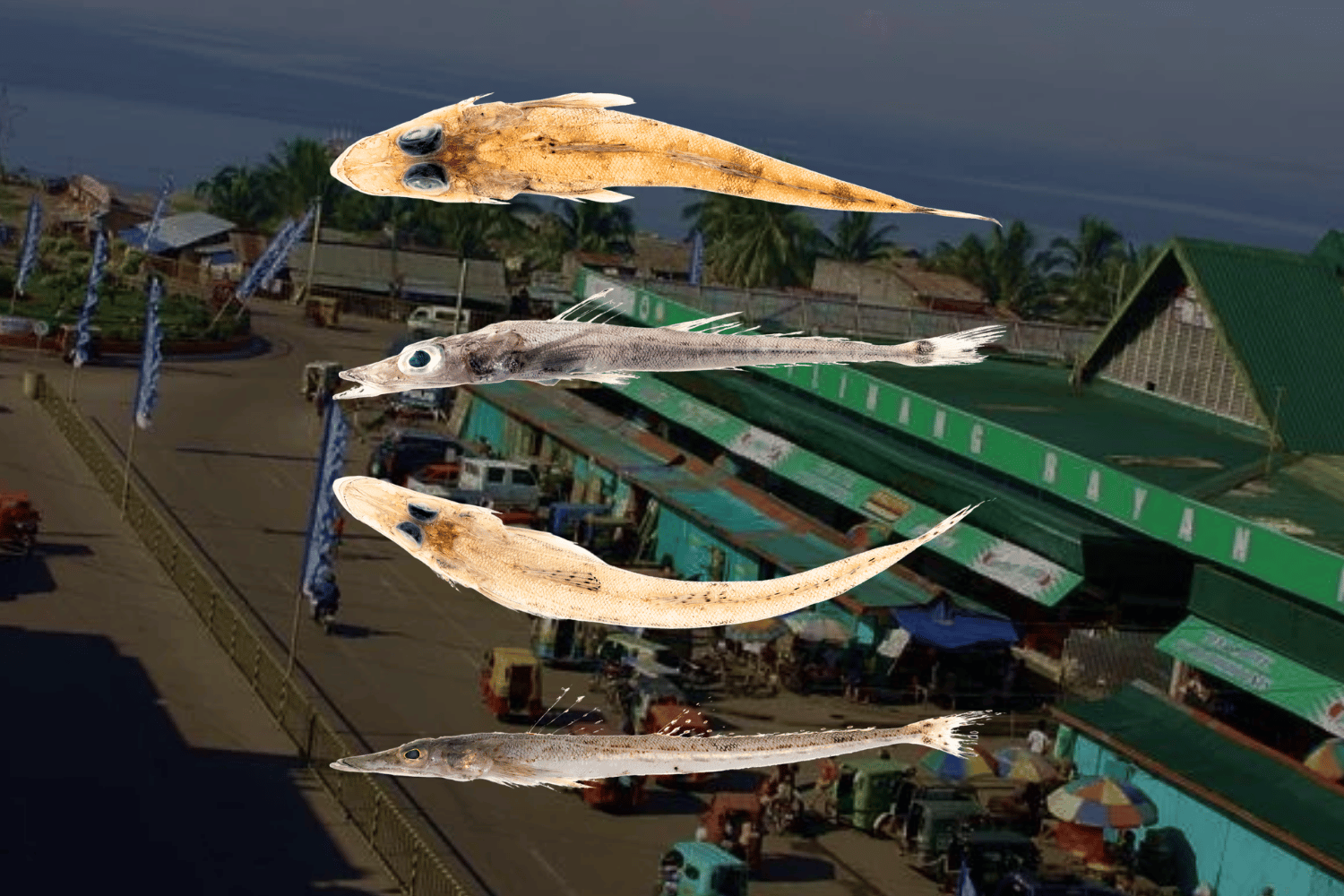
The Sarangani flathead (Elates saranganiensis) was formally recognized as a new species in ZooKeys in June 2026.
Imagine walking through a public market, choosing a fish for lunch, bringing it home and cooking it as usual—only to learn years later that scientists did not even know exactly what species it was.
That is essentially what happened in General Santos City.
Scientists have formally described a new fish species from Sarangani Bay after studying specimens purchased from the General Santos City Public Market. The species, Elates saranganiensis, or the Sarangani flathead, was formally described in the scientific journal ZooKeys in June 2026.
The remarkable part is where it was discovered: not during an expedition into an unexplored ocean trench or remote reef, but among fish already being commercially sold for food.
It was already on the menu
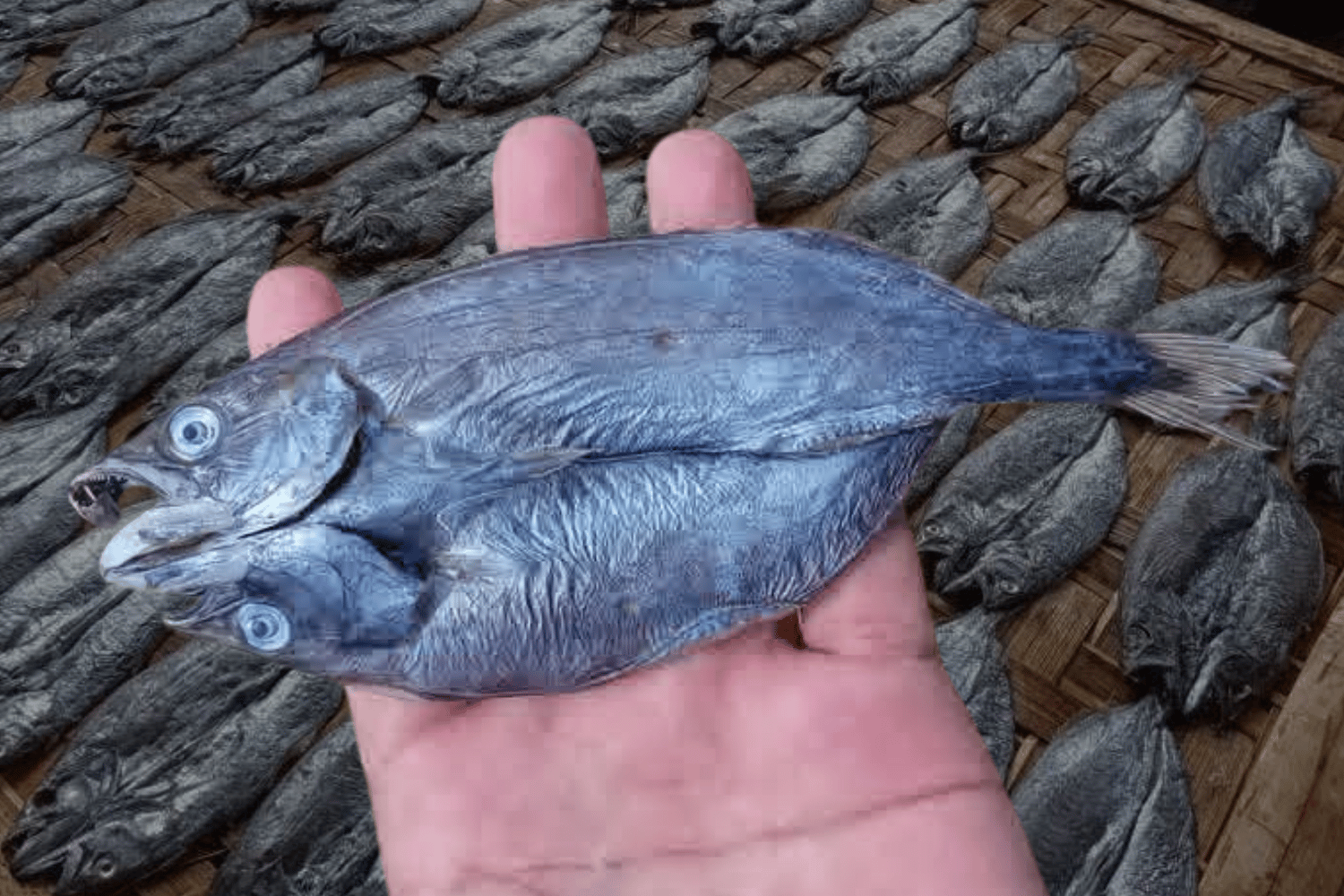
Locally known as “sunogan,” the fish has long been caught in Sarangani Bay and sold in General Santos City. Like other local catches, it can end up fried, cooked in vinegar or simmered in soup.
For years, however, science had classified similar fish under Elates ransonnettii, or the dwarf flathead—the only previously recognized species in the genus Elates.
Researchers began examining specimens obtained from the General Santos market, with the earliest specimen included in the study dating to 2012. Eventually, subtle differences suggested they were looking at something else entirely.
DNA analysis and detailed anatomical examination confirmed it.
Scientists found that E. saranganiensis has larger eyes, distinctive tooth patches, a completely dark abdominal lining and no elongated filament extending from the upper portion of its tail. Its dorsal-fin membrane is also transparent, unlike the pigmentation found in E. ransonnettii.
The researchers concluded that the Sarangani fish was not merely a local variation. It was a separate species.
A discovery from the fish market
The species was named saranganiensis after Sarangani Bay, where the specimens originated.
The study was authored by Ned S. Rose, Maybelle A. Fortaleza, Joey P. Cabasan, Kevin L. Labrador, Joemarie J. Lanutan, Cleto L. Nañola Jr., Matthew G. Girard and Katherine E. Bemis.
The discovery also illustrates an important distinction: a species being “new to science” does not mean the animal itself is new or that local communities have never encountered it.
Sometimes people have been catching, selling, cooking and eating an animal for generations before scientists establish that it is biologically distinct enough to deserve its own scientific name.
In Sarangani, an undocumented piece of Philippine biodiversity was not hiding somewhere humans had never reached.
It was hiding in plain sight—on a public market counter.
READ: