Under RMC No. 97-2021, content creators must report the fair market value of nonmonetary compensation alongside their cash earnings.
You received a complimentary hotel stay worth ₱5,000 in exchange for posting a TikTok review. The hotel calls it an ex-deal, and no money changes hands.
But as far as the Bureau of Internal Revenue (BIR) is concerned, that supposedly free accommodation may already count as taxable income.
Under Revenue Memorandum Circular (RMC) No. 97-2021, social media influencers must declare earnings received not only in cash but also through goods, services, and other nonmonetary compensation.
This means ex-deals, a common arrangement in which brands exchange products or services for online exposure, are not automatically tax-free.
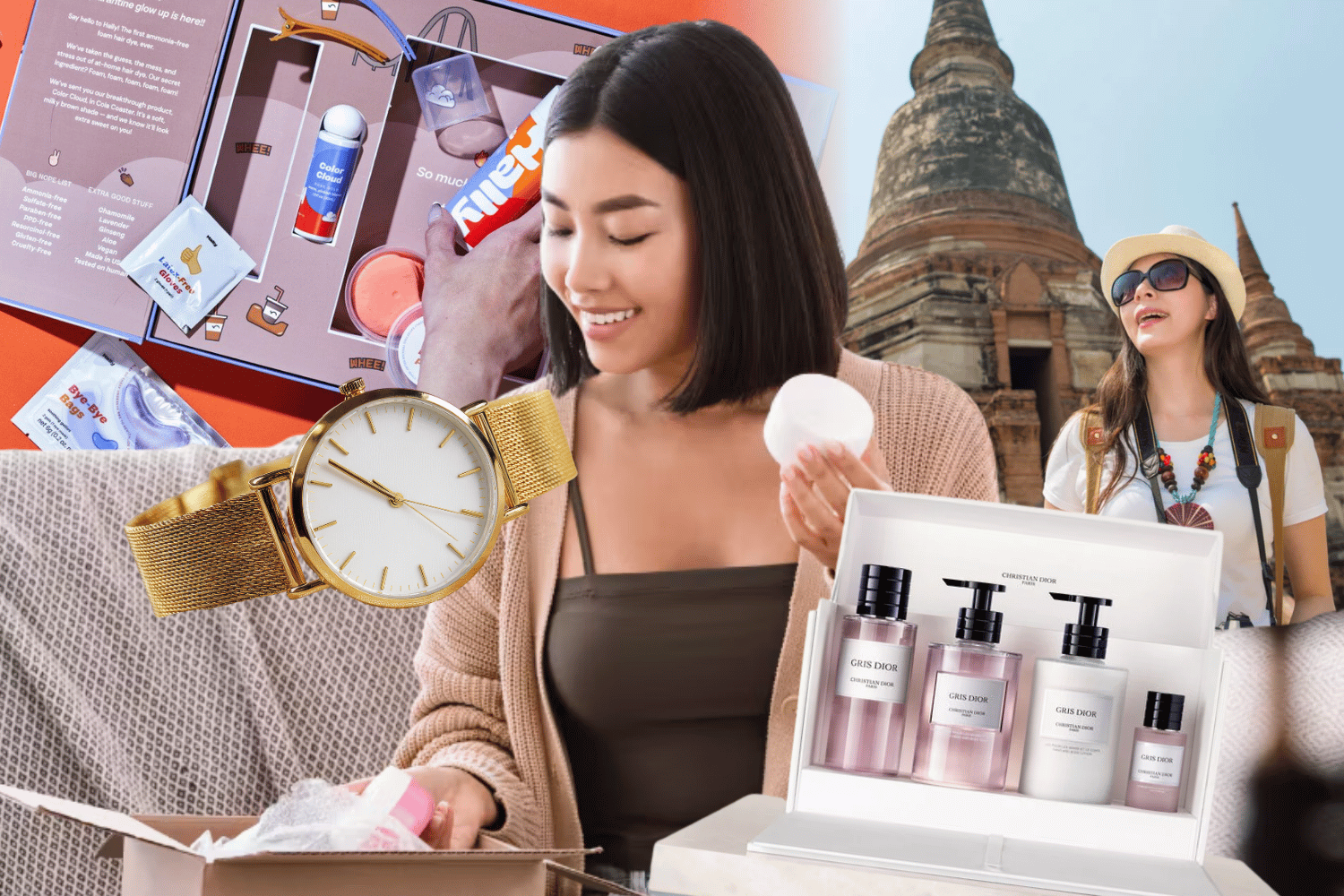
A beauty influencer receiving ₱20,000 worth of skincare products in exchange for promotional videos, for example, generally has to declare the value of those products as business income.
The same principle applies to complimentary hotel accommodations, restaurant meals, gadgets, clothing, and other items received as payment for promotional content.
How much tax must influencers pay?
The BIR generally considers the fair market value of goods or services received when determining taxable income.
For eligible non-VAT taxpayers whose gross receipts do not exceed ₱3 million annually, the optional 8% income tax rate may apply.
For example, an influencer earning ₱500,000 in cash sponsorships and receiving ₱150,000 worth of ex-deals would have ₱650,000 in gross receipts.
Assuming the influencer qualifies for the ₱250,000 reduction under the 8% option, the estimated annual income tax would be ₱32,000.
Those using graduated income tax rates may instead claim allowable business deductions, subject to BIR rules.
What if the influencer does not declare ex-deals?
Failure to report taxable barter arrangements can result in deficiency taxes, interest, and penalties. Willful tax evasion may also carry criminal consequences.
However, not every unsolicited gift is automatically taxable. The nature of the arrangement matters, particularly whether the product or service was provided in exchange for promotional work.
For influencers accustomed to calling brand collaborations “freebies,” the distinction is important.
An ex-deal may involve no cash payment, but that does not mean no income was earned.
READ: