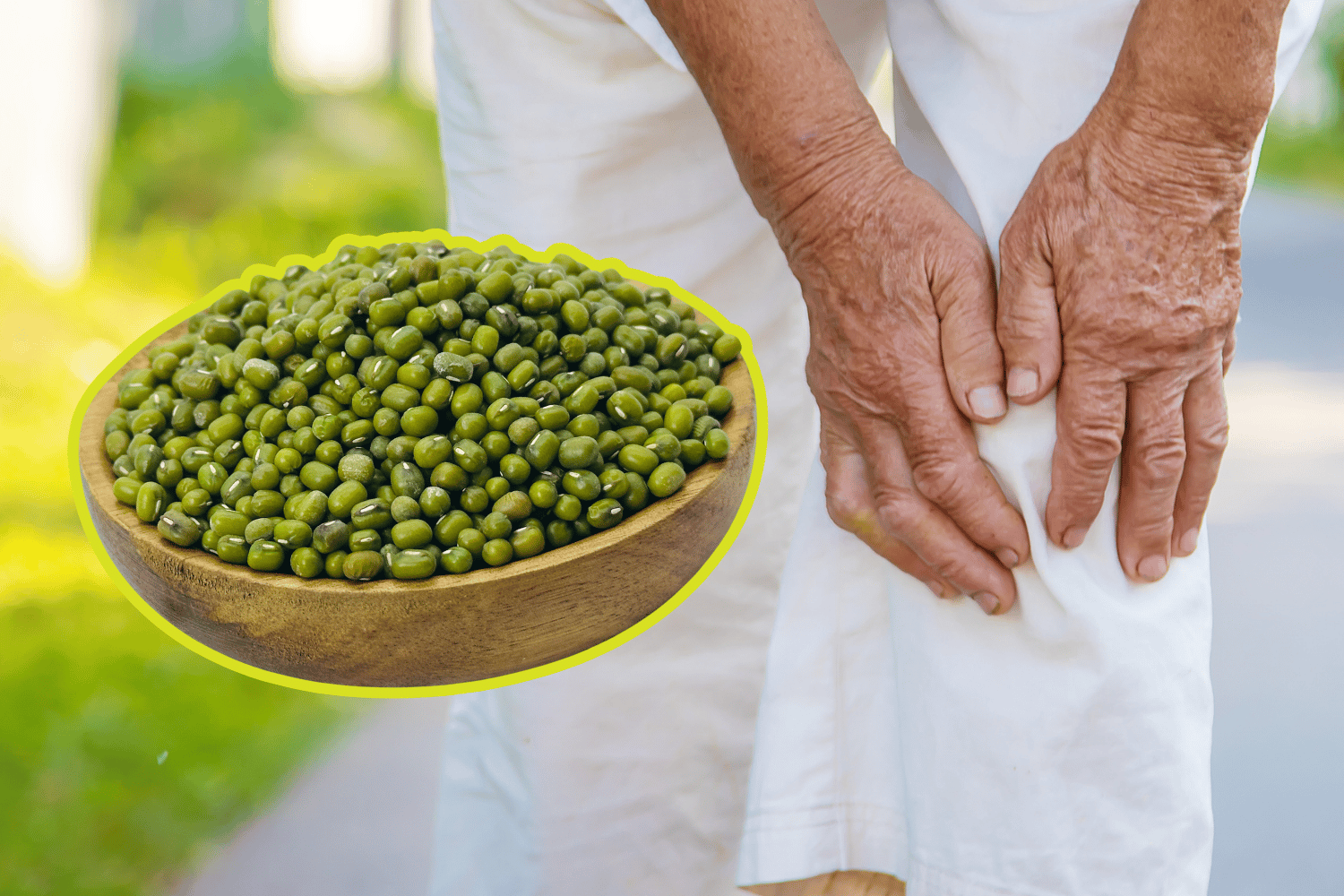
Monggo remains a nutritious and affordable source of plant protein.
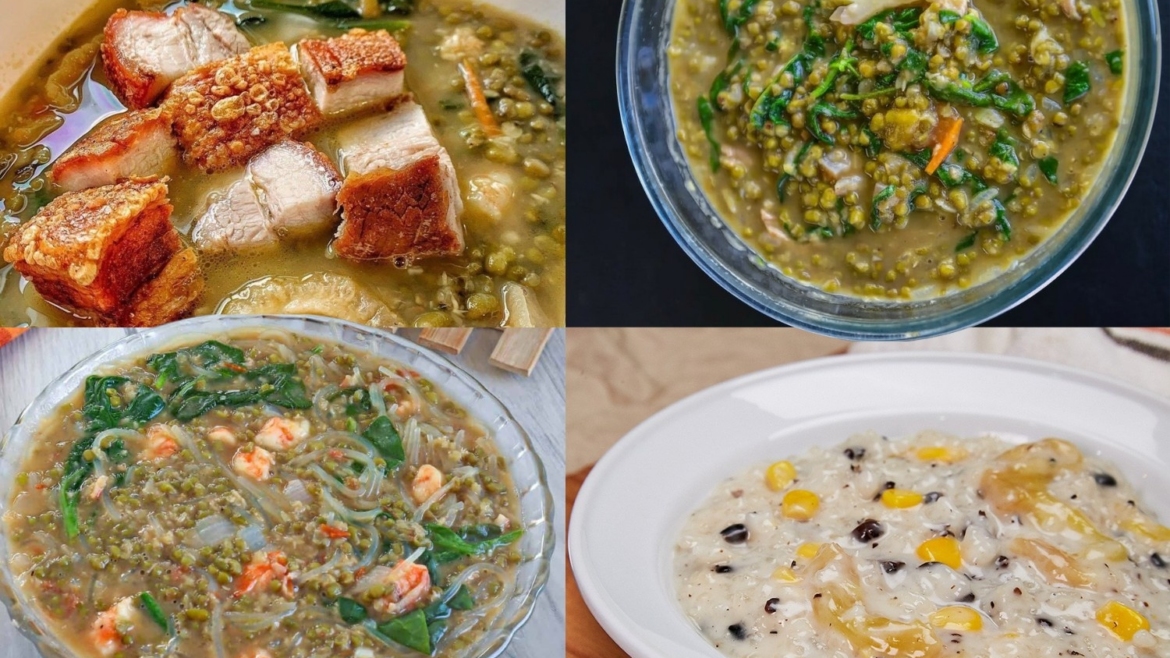
A steaming bowl of ginisang monggo is served for lunch. But someone at the table refuses to eat it, worried that the beans might trigger joint pain.
It is a familiar warning in Filipino households. But scientific evidence does not support blaming monggo for gout or arthritis.
Gout develops when uric acid crystals accumulate in the joints. Although monggo contains purines, research suggests that plant-based purines do not increase gout risk the same way certain animal-based foods do.
A 2012 study published in PLoS ONE, involving more than 63,000 Chinese adults, found that higher consumption of legumes and soy foods was associated with a lower risk of gout.
The real culprits
The Philippine National Nutrition Council has challenged the belief that monggo causes arthritis.
Instead, people managing gout should pay closer attention to high-purine foods such as organ meats, anchovies, and sardines, which may be added to monggo dishes or served alongside them.
The Arthritis Foundation also identifies alcohol, red meat, and sugary beverages as dietary risk factors for gout.
What studies say
A 2004 study published in The New England Journal of Medicine, involving more than 47,000 men, found that higher consumption of meat and seafood was associated with increased gout risk. Moderate consumption of purine-rich vegetables was not.
Meanwhile, osteoarthritis is a different joint condition involving the deterioration of joint cartilage. Eating monggo does not cause it.
The bottom line? Monggo remains a nutritious and affordable source of plant protein. For most people, including those managing gout, there is no medical reason to automatically eliminate it from their diets.
The myth has survived for generations. The science tells a different story.
READ: