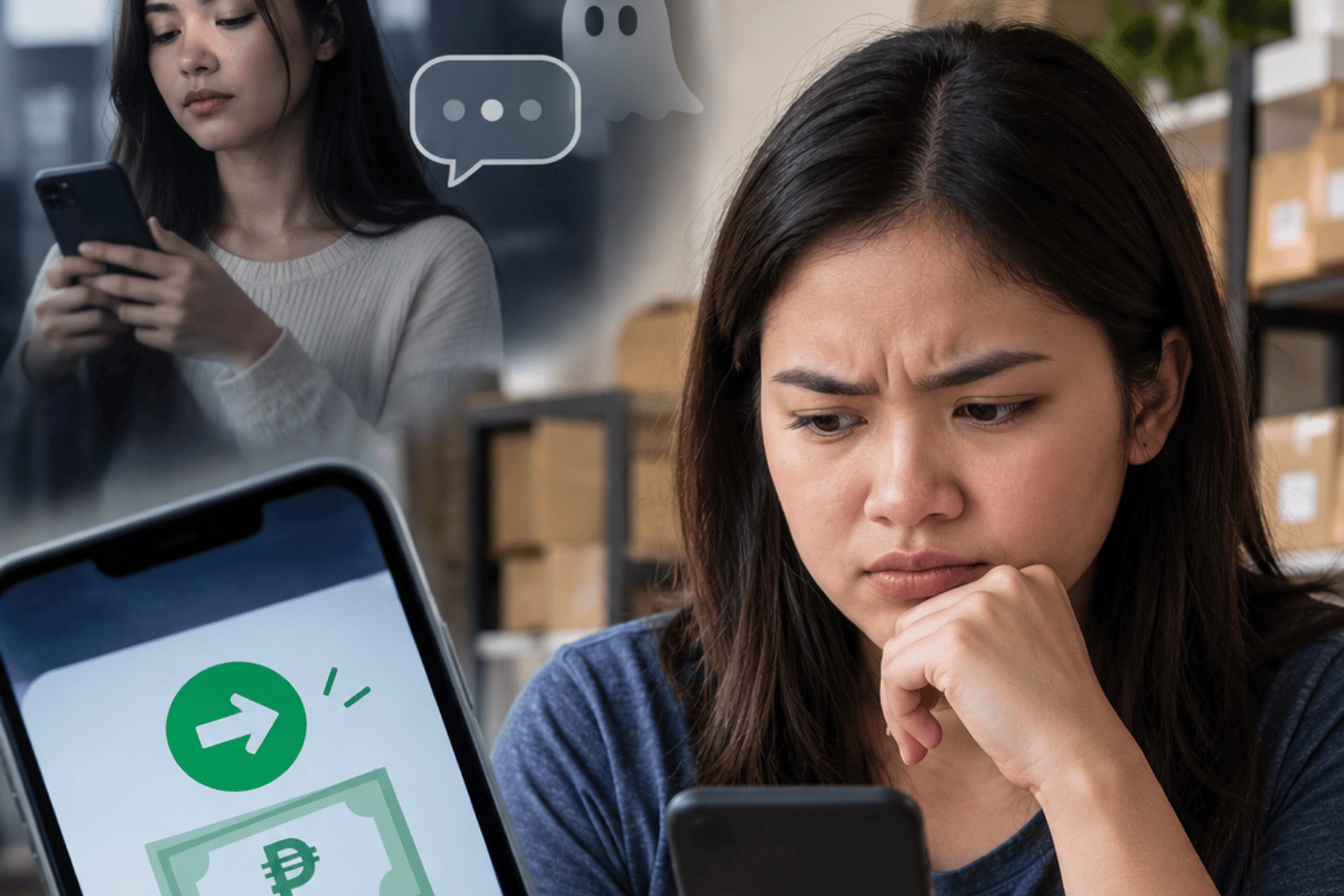
A seller who was previously ghosted by a bogus buyer might consider it sweet revenge when that same customer accidentally transfers ₱2,000 to their account. But keeping the money could violate Philippine law.
In an online exchange, a buyer reportedly requested the return of ₱2,000 mistakenly sent to a seller.
“Sorry namali po ako ng send ng pera,” the buyer explained.
But the seller refused, claiming the amount would serve as payment for an earlier order the buyer allegedly abandoned.
“Tamang tama po, payment nyo na po yan sa… na order na binogus nyo,” the seller replied.
While the seller’s frustration may be understandable, Philippine law does not automatically recognize an accidental transfer as compensation.
Under Article 2154 of the Civil Code, the principle of solutio indebiti requires money mistakenly received without legal entitlement to be returned.
Article 22 also prohibits unjust enrichment, meaning nobody should unfairly benefit at another person’s expense.
Even if the buyer previously ghosted the seller, that does not automatically establish a legally enforceable ₱2,000 debt.
A legitimate outstanding obligation could change the situation, but the seller must establish its legal basis.
Refusing to return the money could result in a civil claim. Criminal liability for estafa under Article 315 would require separate proof of its legal elements.
The buyer may seek assistance from the bank or e-wallet provider or pursue legal remedies.
The bottom line? Being ghosted by a bogus buyer does not automatically give a seller the right to keep money sent by mistake.
Revenge is not a legal form of payment.
READ: