Raising kids was never a loan to be collected.
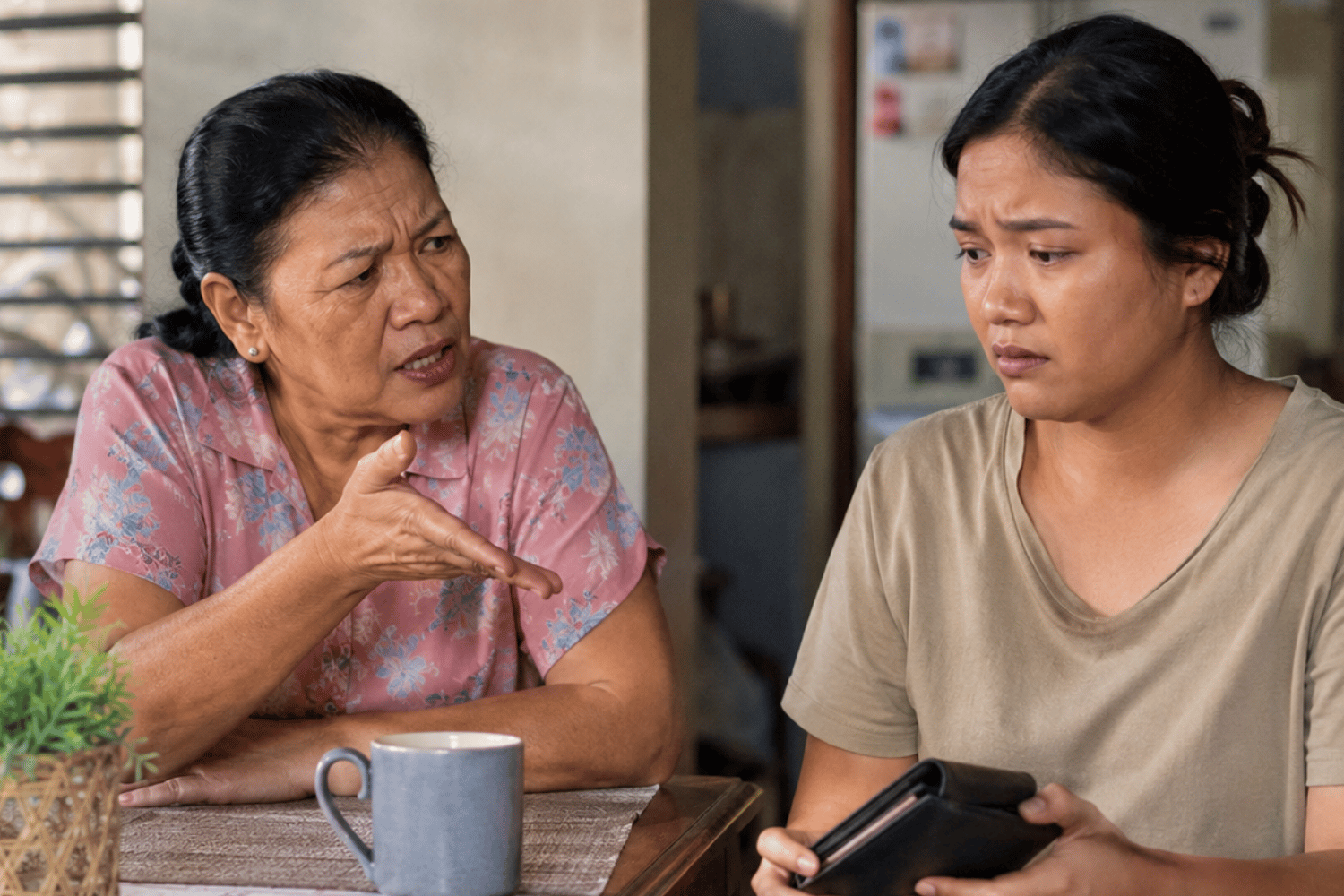
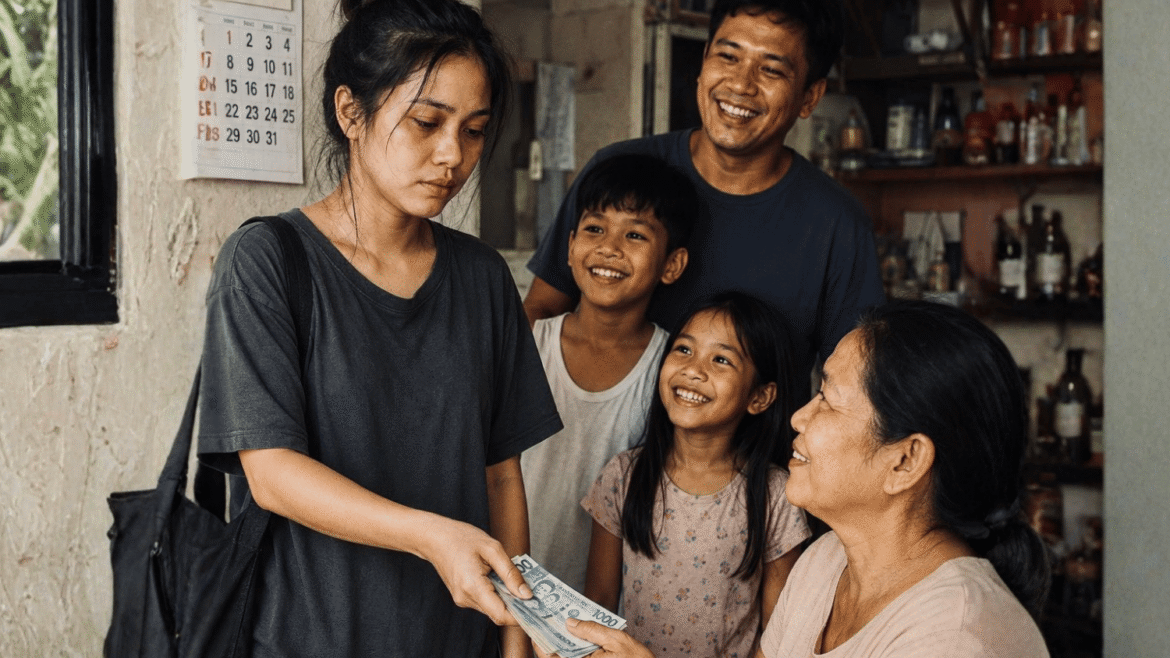
Your mother calls because she needs ₱20,000 to settle an overdue bill. She promises to return the money on payday. You send it immediately, even if it means postponing your own expenses.
Months pass. Payday comes and goes. When you finally ask about the money, the conversation takes an unexpected turn.
“Sinisingil mo talaga ako? Magkano ba ginastos namin sa pagpapalaki sa’yo?”
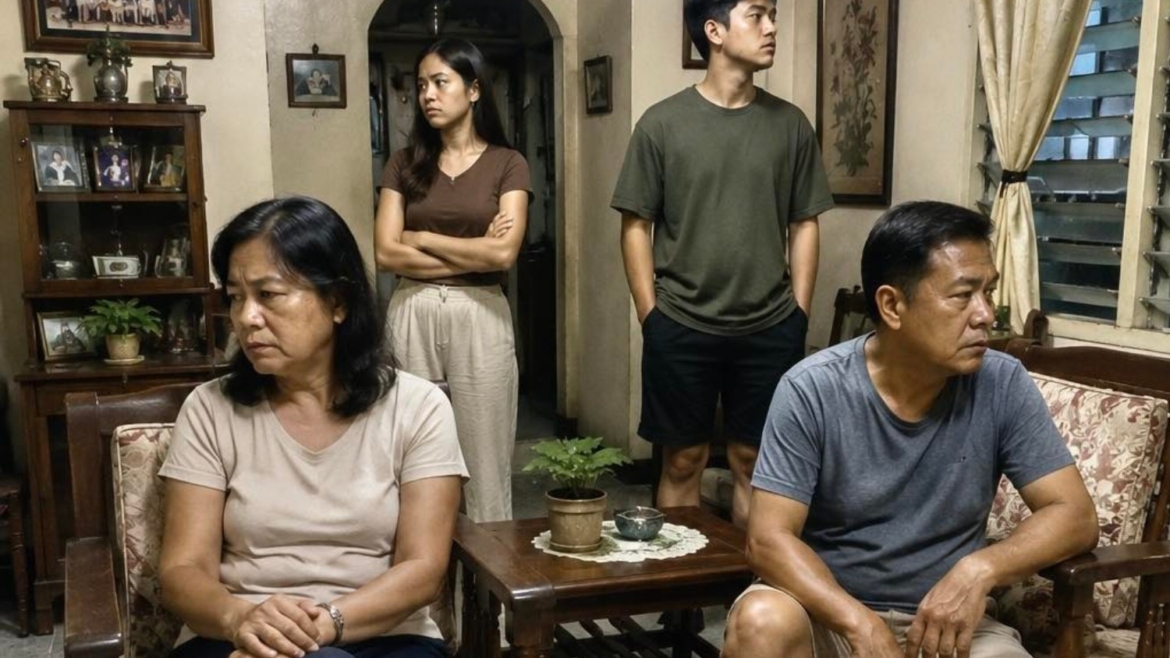
For many Filipino adult children, this is an uncomfortable reality. Money borrowed by parents suddenly becomes money they believe they are entitled to keep, justified by the years they spent raising, feeding, and educating their children.
But there is one important distinction: Money borrowed is not the same as money given or requested as financial assistance.
When a parent asks for help and a child willingly gives money without expecting repayment, that is generosity. But when a parent explicitly borrows money and promises to return it, that creates an obligation.
Under Article 1159 of the Philippine Civil Code, obligations arising from contracts have the force of law between the parties. Articles 1157 and 1953 also recognize contractual obligations and loans. A parent-child relationship does not automatically cancel a genuine debt.
Of course, proving that a particular transaction was a loan rather than a gift may depend on the agreement, messages, and other evidence.
Parental sacrifice is not a bill
Some parents justify unpaid loans by reminding their children how much they spent on tuition, food, clothing, and other necessities.
But under Philippine law, providing for children is a parental responsibility. The Family Code recognizes parents’ obligation to support and educate their children.
Children did not enter into a financial agreement promising to reimburse their parents for raising them.
This does not mean adult children have no responsibilities toward aging parents. Article 195 of the Family Code recognizes reciprocal family support obligations, subject to the circumstances and needs of those involved.
However, legally required family support and repayment of a specific loan are different matters.
Utang na loob should not erase utang na pera
In Filipino culture, utang na loob is a powerful expression of gratitude. But problems arise when gratitude becomes a justification for ignoring financial agreements.
An adult child may already be paying rent, supporting siblings, raising children, or saving for a home. Money lent to parents may represent months of savings, not disposable income.
Refusing to repay that money can jeopardize the child’s own financial security.
Parents who genuinely cannot afford repayment can explain their circumstances and negotiate a payment arrangement. What they should not do is automatically invoke their sacrifices as parents to dismiss the obligation.
After all, children can love their parents, respect their sacrifices, and willingly support them without surrendering their right to ask for money that was explicitly borrowed.
Raising a child deserves gratitude. But gratitude should never be used to turn a loan into a gift without the lender’s consent.
READ: