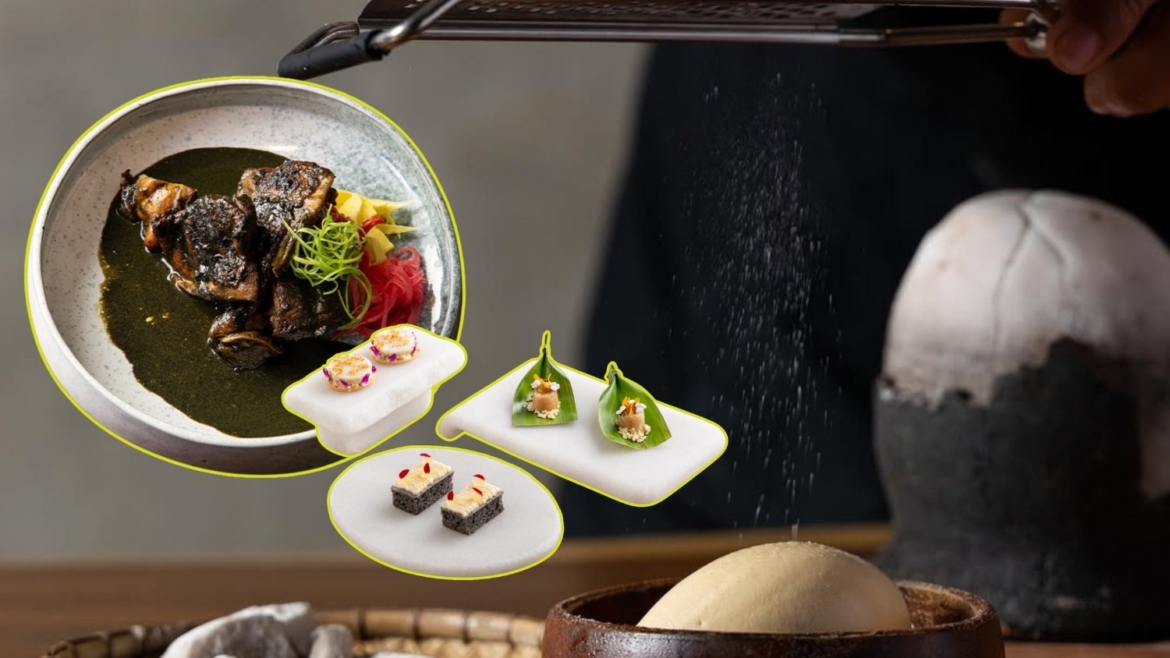
Adobo, sinigang, lechon, and lumpiang Shanghai are the world’s most recognized Filipino dishes.
A bowl of sinigang, a plate of adobo, crispy lechon, and a serving of lumpiang Shanghai. For Filipinos, these are everyday favorites and celebration staples. For foreigners discovering Philippine cuisine, they have become some of its most recognizable ambassadors.
While no single international study definitively ranks the world’s most popular Filipino dishes, global food ratings, travel coverage, and culinary recognition consistently highlight four familiar names: adobo, sinigang, lechon, and lumpiang Shanghai.
Interestingly, each has gained international recognition for a different reason.
Adobo: The global ambassador

If there is one Filipino dish that needs little introduction, it is adobo.
Widely regarded as the country’s unofficial national dish, adobo has become a fixture in Filipino restaurants abroad and international cooking publications.
Its biggest advantage is simplicity. Vinegar, soy sauce, garlic, peppercorns, and bay leaves create a savory, tangy combination that appeals to different palates.
Unlike more complicated regional specialties, adobo can be prepared using ingredients readily available in supermarkets around the world.
Its adaptability also makes it particularly accessible to foreign home cooks, whether prepared with chicken, pork, or vegetables.
Sinigang: The internationally acclaimed soup

For a dish traditionally associated with rainy afternoons and family meals, sinigang has earned remarkable international recognition.
Global food guide TasteAtlas has repeatedly featured sinigang and its variations in rankings of highly rated soups and Filipino dishes.
Its defining characteristic is sourness, traditionally achieved using tamarind, although other souring agents are also used.
What makes sinigang distinctive is how it combines that sharp acidity with the richness of pork, shrimp, fish, or beef and the freshness of vegetables.
For international diners accustomed to creamy, salty, or mildly flavored soups, sinigang offers a different kind of comfort food.
Lechon: The dish that impressed Anthony Bourdain

Few Filipino dishes have received international publicity quite like lechon.
The late American chef and television personality Anthony Bourdain famously described Philippine lechon as the “best pig ever,” helping introduce the country’s roasted pork tradition to a wider audience.
The appeal is immediately understandable: crackling skin, juicy meat, and hours of slow roasting over charcoal.
Cebu-style lechon, particularly known for its aromatic stuffing and flavorful meat, has become a major attraction for culinary tourists.
Unlike adobo, which can be cooked in almost any kitchen, whole roasted lechon is an experience closely associated with Filipino celebrations, communal dining, and regional food traditions.
Lumpiang Shanghai: The universal crowd-pleaser

Lumpiang Shanghai may be the most familiar introduction to Filipino food for someone who has never tried it.
The small, crispy spring rolls filled with seasoned ground meat have a straightforward advantage: almost every cuisine has some version of fried, savory finger food.
There is little explanation required. Dip one into sweet chili sauce, take a bite, and the appeal becomes obvious.
TasteAtlas has included lumpiang Shanghai in its regional street-food rankings, giving international recognition to a dish that Filipinos already consider indispensable at birthday parties, fiestas, and family gatherings.
Its convenient size, crunchy texture, and familiar flavors make it particularly suitable for international gatherings and Filipino restaurants overseas.
Why Filipino food is still catching up
Despite the popularity of these dishes, Filipino cuisine has historically struggled to achieve the same international recognition as Japanese, Thai, or Vietnamese food.
A 2019 YouGov survey involving more than 25,000 respondents across 24 countries ranked Filipino cuisine among the less popular cuisines surveyed internationally.
Yet the same study found that 97 percent of Filipino respondents enjoyed their own cuisine, highlighting the contrast between strong domestic appreciation and relatively limited international familiarity.
The growing international visibility of Filipino chefs, restaurants, and culinary destinations is helping address that gap.
TasteAtlas’ 2025–2026 awards ranked Filipino cuisine 25th worldwide, while its October 2026 rankings placed sinigang na baboy first and lumpiang Shanghai third among Filipino dishes.
And perhaps the appeal of these four dishes explains why Filipino food has considerable room to grow internationally.
Adobo offers familiarity. Sinigang delivers a distinctive flavor. Lechon creates spectacle. Lumpiang Shanghai provides an easy first bite.
Four very different dishes, each offering the world a reason to discover Filipino cuisine.