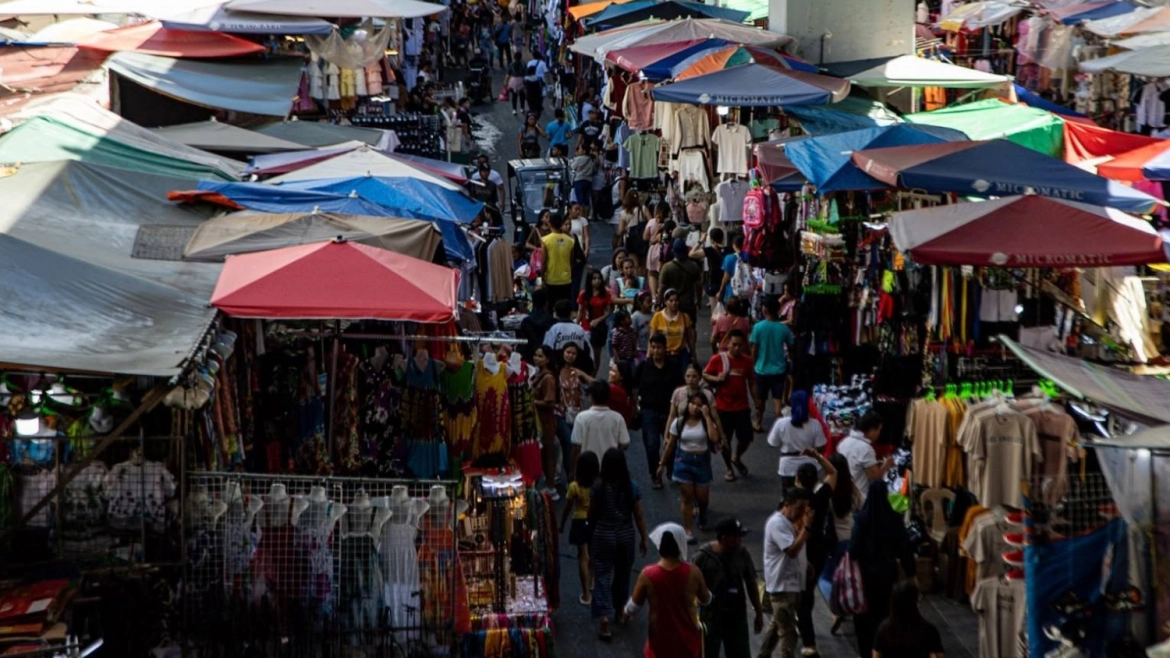
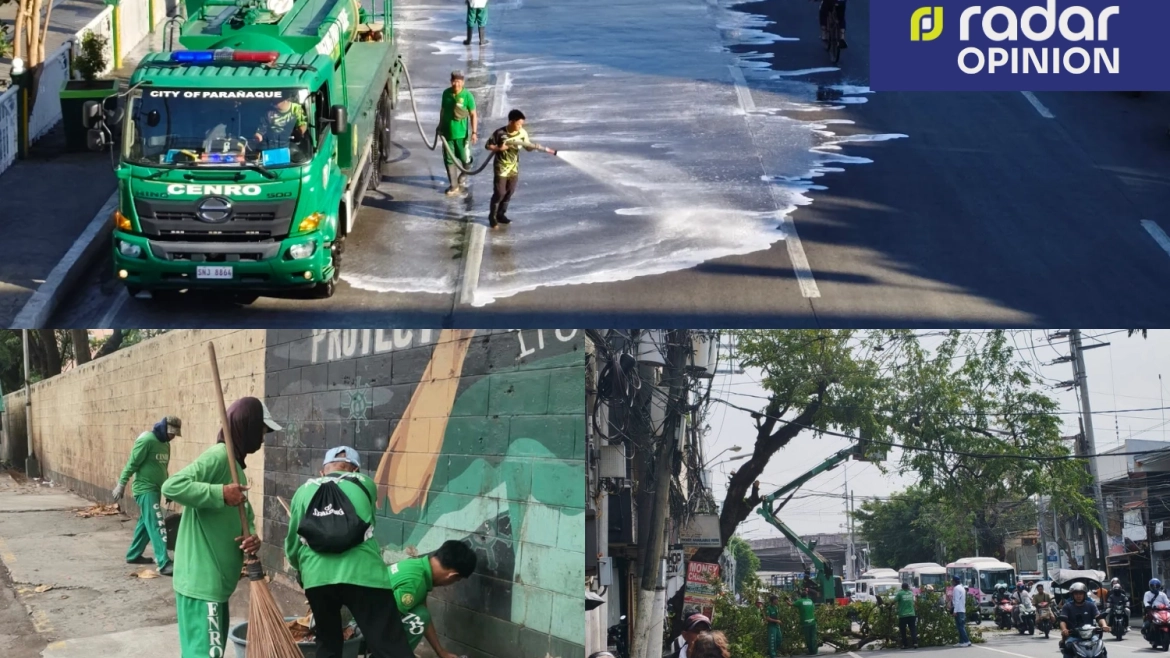
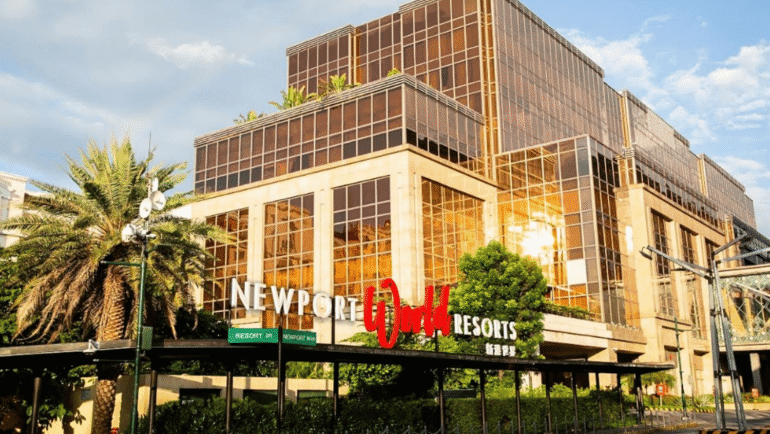
Employees of the popular Diwata Pares in Pasay City are appealing for financial assistance after their workplace was reportedly ordered closed for nearly three weeks as part of security preparations for the ASEAN Summit 2026.
According to a report shared by journalist Jonathan Andal, the establishment along Diokno Boulevard was instructed by the Pasay City government to suspend operations beginning October 29 until November 18.
The reason? Its customers reportedly park along a road expected to be used by ASEAN delegates.
But while the closure is being linked to security concerns, its consequences are being felt most heavily by ordinary workers who depend on their daily earnings to survive.
For employees living paycheck to paycheck, nearly three weeks without work could mean unpaid rent, delayed utility bills, empty refrigerators, and difficulty providing for their families.
Diwata reportedly gave his workers ₱2,000 each for food assistance. However, employees said the amount would hardly be enough to sustain them throughout the closure, particularly since the business itself would not be generating revenue to cover their wages.
The situation has sparked heated discussions online.
Some netizens defended the government’s decision, arguing that protecting visiting heads of state is a legitimate national security responsibility.
Others questioned why workers and small businesses should shoulder the financial burden of hosting an international event.
One commenter suggested that the local government should at least compensate affected employees with the equivalent of minimum wages during the suspension.
The controversy also revived criticism of the country’s tendency to prioritize appearances whenever foreign dignitaries visit.
However, the more immediate issue is not simply whether the government is trying to hide poverty or enforce security protocols.
It is whether ordinary Filipinos should be forced to sacrifice their livelihoods without adequate financial protection.
Security arrangements may be necessary for an international summit, but they also carry real economic consequences for workers, vendors, and businesses operating near restricted areas.
The reported closure raises questions about whether alternative parking arrangements, temporary operating restrictions, or financial assistance could have reduced the impact on employees.
As the Philippines prepares to welcome international delegates, the workers of Diwata Pares are left confronting a much more personal concern: how to survive until they can earn again.
For them, the cost of hosting a prestigious international gathering is measured not in diplomatic achievements, but in the wages they stand to lose.