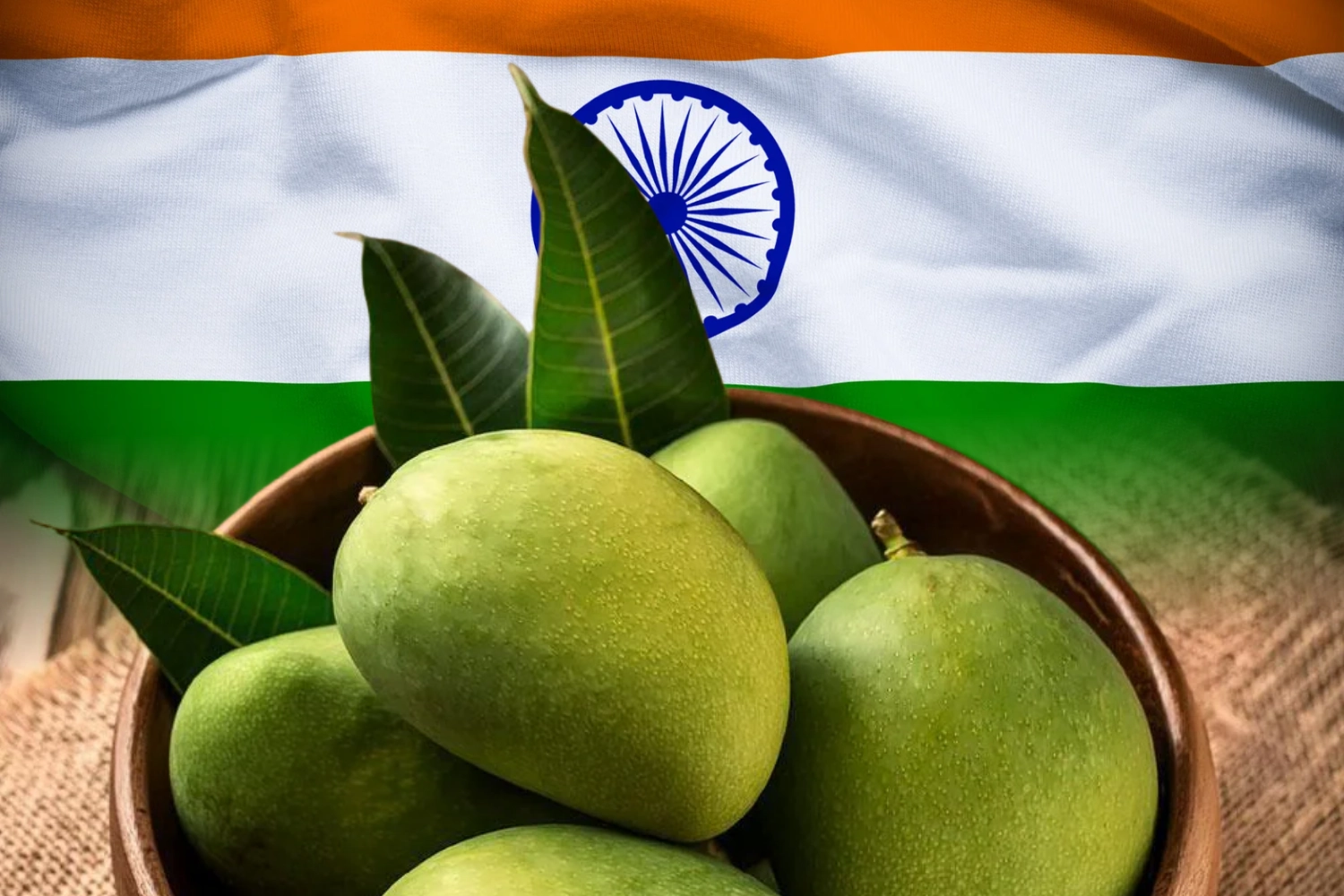
You’ve probably eaten it countless times: a small, round, crunchy green mango sliced open and dipped into bagoong alamang or salt. But have you ever wondered why Filipinos call it Indian mango?
Apparently, the name is more literal than most people realize.
The Indian mango commonly found in Philippine backyards and markets is associated with a cultivar called Katchamitha, also spelled Katchamita, which originated from the Indian subcontinent and was introduced to the Philippines.
Unlike the famous Philippine Carabao mango, which is celebrated for its golden skin, juicy flesh, and exceptional sweetness, Indian mangoes are especially popular while still green.
Their flesh is firm, crunchy, and mildly sour, making them perfect for the Filipino obsession with dipping unripe fruits into salty, spicy bagoong.
When fully ripe, Indian mangoes develop yellowish flesh, a denser texture, and a sweeter flavor that some compare to bananas.
Interestingly, the connection between India and mangoes goes much deeper.
The scientific name of the common mango, Mangifera indica, reflects its historical association with India. Mango cultivation originated thousands of years ago in South and Southeast Asia before spreading across the tropical world.
Even the internationally celebrated Philippine Carabao mango belongs to this same species.
Over the decades, Indian mango has become so familiar in Filipino neighborhoods that many people assume it has always been local.
So the next time you enjoy a crunchy green Indian mango with bagoong, remember that this beloved Filipino street food favorite has roots far beyond the Philippines.