Every word remembered today could help save an entire language tomorrow.
For generations, the Ivatan language has lived in conversations at home, stories shared by elders, songs passed from one generation to the next, and memories carried across families in Batanes. Now, it has found a permanent home online.
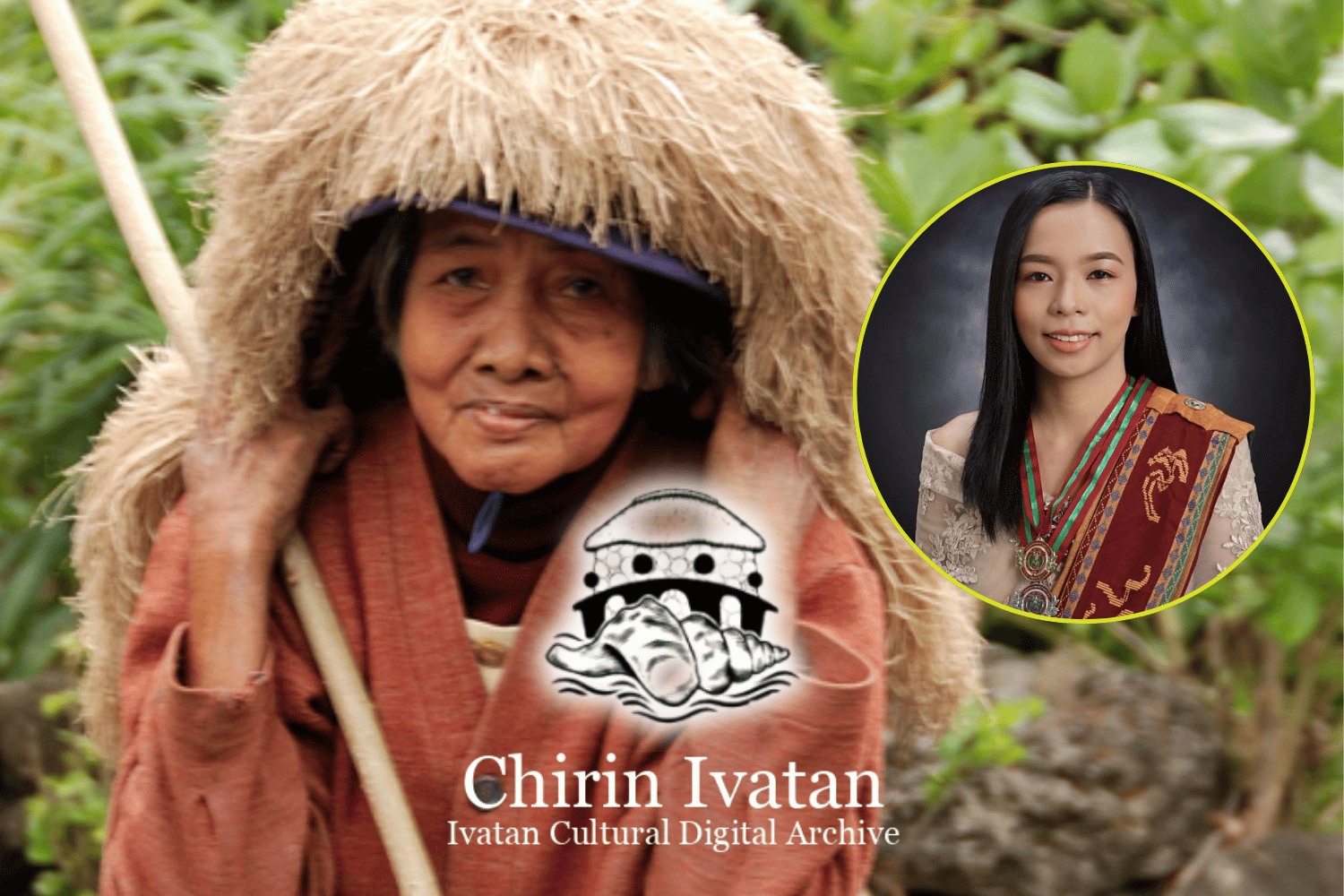
A new community-powered platform, Chirin Ivatan, has officially launched, creating what its developer describes as a living digital dictionary and folklore archive dedicated to preserving the Ivatan language and cultural heritage.
Developed independently by Kristelle Joyce Adami, an Ivatan and Master of Information Systems student at UP Open University, the project began as her capstone project before growing into a community initiative.
“I developed it independently as a capstone project for my Master of Information Systems in UP Open University. While it was supposed to be just a capstone project, the Ivatan community was supportive of it so I decided to deploy it live. I myself am part of the indigenous community of the Ivatans,” Adami told radar.ph.
Named after the Ivatan words “Chirin” (language) and “nu Ivatan” (of the Ivatans), the platform is more than an online dictionary. It also serves as a digital archive for folklore, oral histories, traditional laji, proverbs, pronunciations, and other forms of Indigenous knowledge that are at risk of disappearing with each passing generation.
More than a traditional dictionary, the platform embraces the Filipino spirit of bayanihan through the Ivatan concept of Yaru, a long-standing tradition of communal cooperation and helping one another. Instead of relying solely on linguists or researchers, Chirin Ivatan invites elders, teachers, parents, students, and ordinary community members to collectively build the archive by contributing words, stories, songs, and cultural knowledge.
“Today, our language finally has a home online,” Adami wrote in announcing the launch. “After years of dreaming and putting in the work, I am humbled to share CHIRIN IVATAN—a community-stewarded digital dictionary and folklore archive created to help preserve, document, and celebrate Ivatan language and cultural heritage.”
In an exclusive interview with radar.ph, Adami shared that the philosophy behind the project was deeply influenced by her own family.
“My direct grandmother, Elena Gabilo, and my late grandfather, Jose Gabilo, own the famous Honesty Coffee Shop in Batanes—a small store that operates without a cashier, relying instead on the honesty of every customer. It has become a symbol of trust, demonstrating that something meaningful can thrive when a community willingly upholds shared values,” she said.
She believes the same principle is what will allow Chirin Ivatan to flourish.
“While the Honesty Coffee Shop depends on the honesty of its customers, Chirin Ivatan depends on the Ivatan spirit of Yaru—our tradition of helping one another—for it to grow. The platform itself is only the foundation. Its future depends on Ivatans choosing to share their words, stories, songs, and cultural knowledge so that our language continues to live for future generations.”
Adami added that growing up around one of Batanes’ most iconic community initiatives may have shaped her own desire to build another.
“Perhaps it is no coincidence that I grew up surrounded by one community initiative built on trust and later found myself creating another built on cooperation.”
Although the platform currently focuses on the Ivatan language, Adami hopes its impact will eventually extend across the Philippines. She plans to make the system’s source code available to other Indigenous communities so they can build similar digital archives for their own endangered languages.
With more than 180 living languages spoken across the Philippines—many of them facing declining numbers of fluent speakers—community-driven initiatives like Chirin Ivatan could become an important model for preserving the country’s rich linguistic and cultural diversity in the digital age.
The Digital Yaru is now open to contributors at https://f.mtr.cool/dfckabuizo.
READ:
Kevin Roque uses ghosts, glitches, and holograms to confront the histories we refuse to see
radar Lifestyle
June 21, 2026
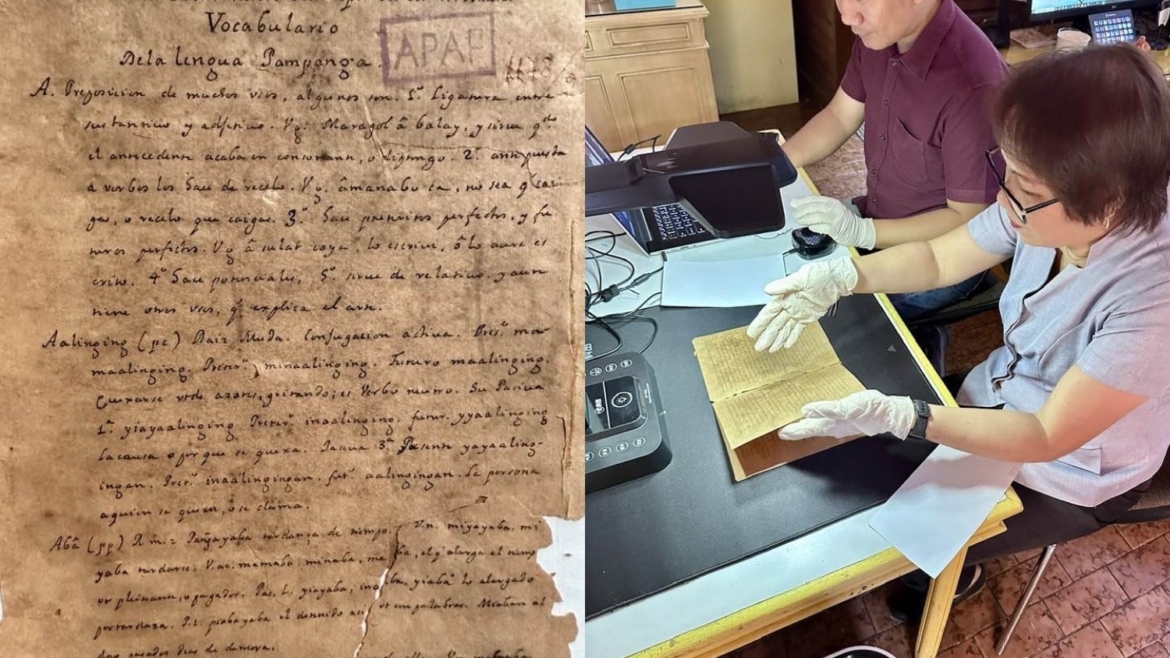
300-year-old Kapampangan dictionary digitized in race to preserve language history
John Lloyd Aleta
April 16, 2026
The one-man quest to archive every native Filipino ingredient
Rei Marquez
March 17, 2026