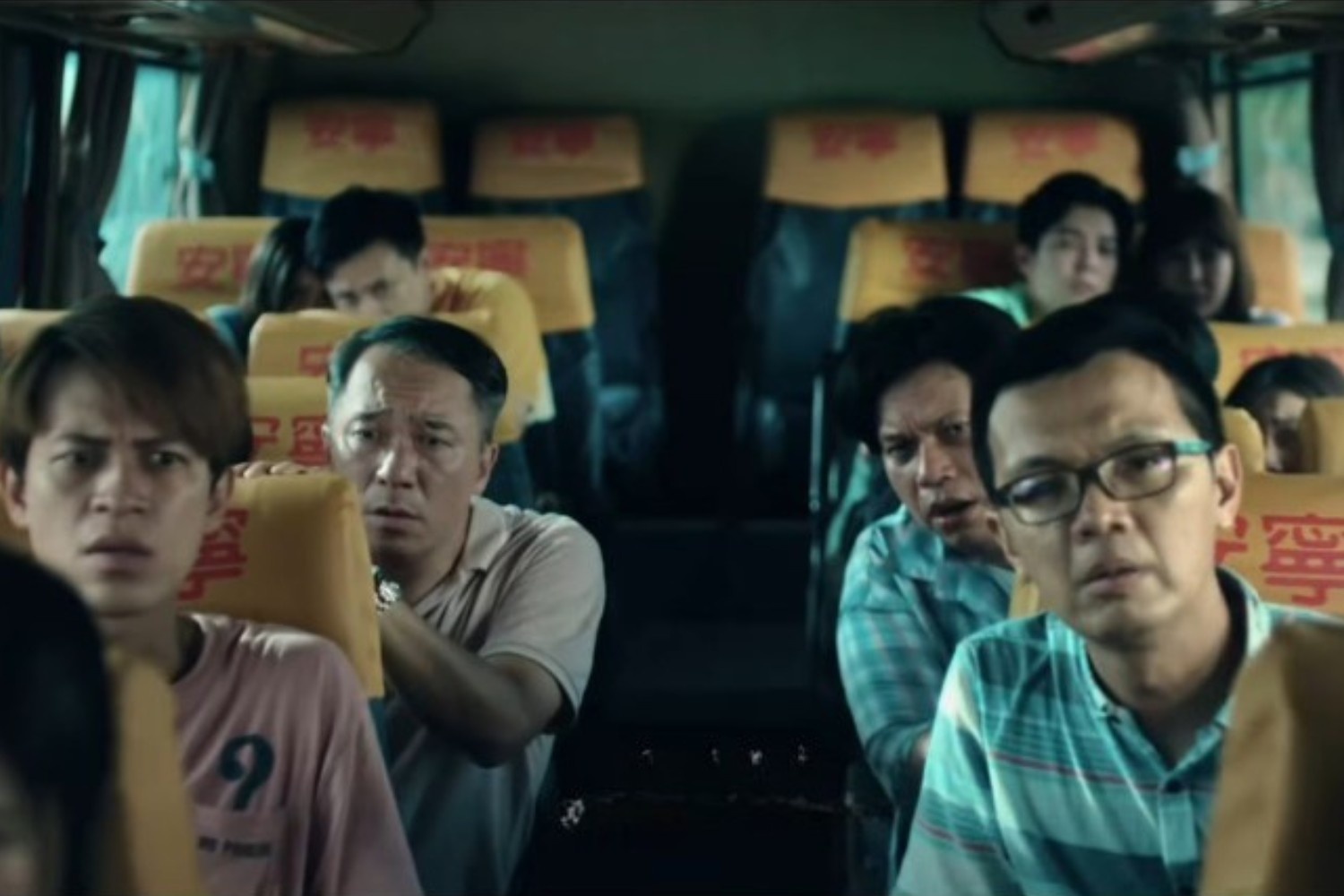
Thirteen years after the bungled rescue at Rizal Park, the blood-stained bus remains a symbol of a crisis that triggered a four-year diplomatic freeze between Manila and Hong Kong.
A controversial new dramatization of the 2010 Rizal Park tragedy forces a reckoning with the botched rescue that once severed international ties.
A Hong Kong film that revisits one of the Philippines’ most globally scrutinized tragedies is drawing renewed attention—and discomfort—over a national trauma many have long struggled to confront.
‘Beyond Hostage Crisis’ (走出人質事件), directed by Tony Leung Hung-wah, dramatizes the aftermath of the 2010 Manila hostage crisis, when a dismissed police officer hijacked a tourist bus in Rizal Park, leading to the deaths of eight Hong Kong tourists during a botched rescue broadcast live around the world.
Set for release in Hong Kong on May 28 after opening in Malaysia earlier this month, the film shifts focus from the violence itself to its emotional fallout—exploring grief, forgiveness, and the long road to healing. It stars Fish Liew Chi-yu and centers on survivors and families grappling with the tragedy’s lingering scars.
Cinema or exploitation?
But even before its wide release, the film has ignited heated discussion in Hong Kong, particularly around the idea of “secondary trauma”—the risk that dramatizing real-life horrors could retraumatize survivors and audiences alike. Some critics argue that revisiting such a painful event on screen borders on exploitation.
Others defend the film’s existence, saying it serves as a necessary act of remembrance, especially for younger generations who may not fully grasp the scale and impact of what happened.
One survivor, Yik Siu-ling—who sustained severe injuries during the incident—has publicly supported the film, describing it as “very touching” and relevant in today’s social climate.
The weight of accountability
For Filipinos, however, the film’s arrival carries a different weight.
The 2010 hostage crisis was not just a tragedy—it became a global spectacle that exposed deep flaws in crisis response, governance, and media handling. Broadcast live to international audiences, the failed rescue operation triggered widespread criticism and strained diplomatic ties between the Philippines and Hong Kong for years.
More than a decade later, “Beyond Hostage Crisis” threatens to reopen that wound—forcing a new generation to revisit a moment often remembered with a mix of grief, embarrassment, and unresolved accountability.
Whether the film ultimately fosters healing or deepens discomfort remains to be seen. But its impact is already clear: a story many hoped time had buried is once again demanding to be reckoned with.
‘Beyond Hostage Crisis’ shifts focus from the violence itself to its emotional fallout—exploring grief, forgiveness, and the long road to healing.