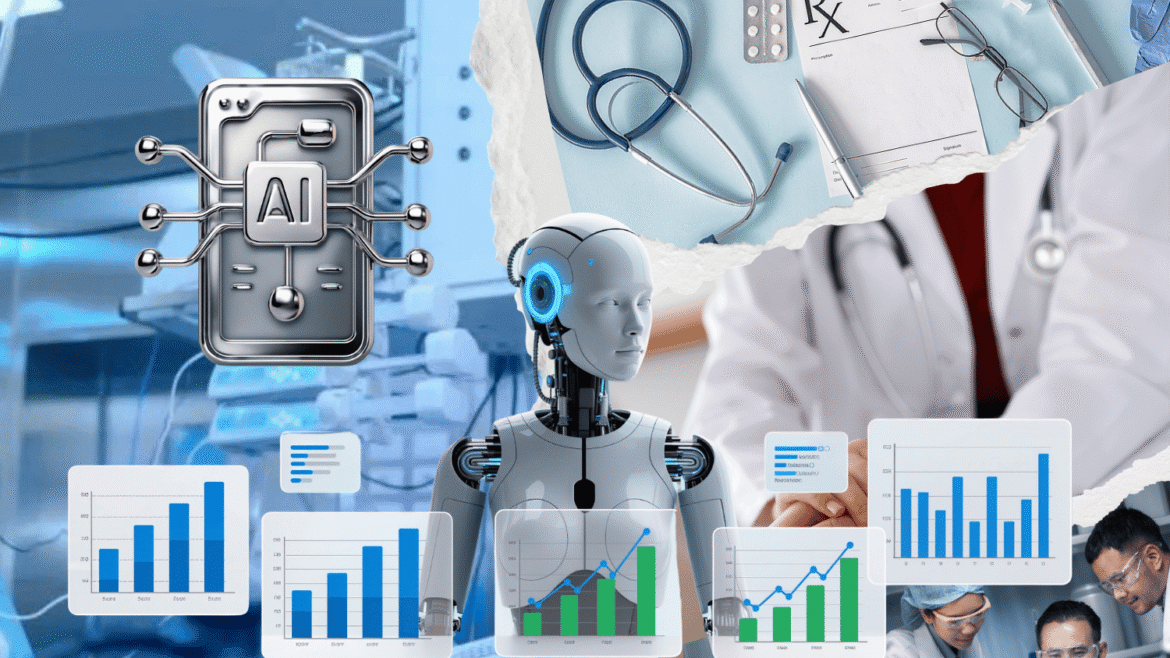
Healthcare recruiters say artificial intelligence can speed up hiring and administrative work, but empathy, compassion, and bedside communication still require people.
Artificial intelligence may be transforming healthcare recruitment and hospital workflows, but industry leaders say it is unlikely to replace nurses at the patient’s bedside.
Speaking during the British Council Philippines’ “Next Chapter: Making English Work for Every Filipino” forum, a healthcare recruitment executive said AI is already helping employers review résumés, match applicants with job openings, and summarize patient records, making administrative tasks faster and more efficient.
However, recruiters stressed that healthcare still relies on qualities machines cannot replicate, including empathy, compassion, and the ability to comfort patients during difficult moments.
While AI can help interpret medical data and organize patient information, explaining a diagnosis, calming anxious families, and delivering care with empathy remain responsibilities that require human interaction, the group said.
The discussion comes as AI continues to reshape industries worldwide, raising concerns about job displacement. In healthcare, however, speakers argued that AI is more likely to automate repetitive tasks than replace frontline professionals entirely.
Healthcare recruiters also said demand for Filipino nurses remains strong despite changing technologies, citing the country’s nursing education, work ethic, compassion, and English communication skills.
These qualities, they said, continue to make Filipino professionals highly sought after in countries such as the United States, the United Kingdom, Australia, and other international healthcare markets.
The British Council, one of the co-owners of the International English Language Testing System (IELTS), likewise said it continues to retain human examiners for the speaking component of its English proficiency test despite integrating AI-powered preparation tools, arguing that real conversations remain the best measure of a person’s ability to communicate.
As AI becomes more deeply embedded in healthcare, industry leaders said technology should be viewed as a tool that supports healthcare workers rather than one that replaces the human connection patients depend on most.
READ: