Boracay’s growth is only a good deal if its infrastructures and businesses can sustain it.
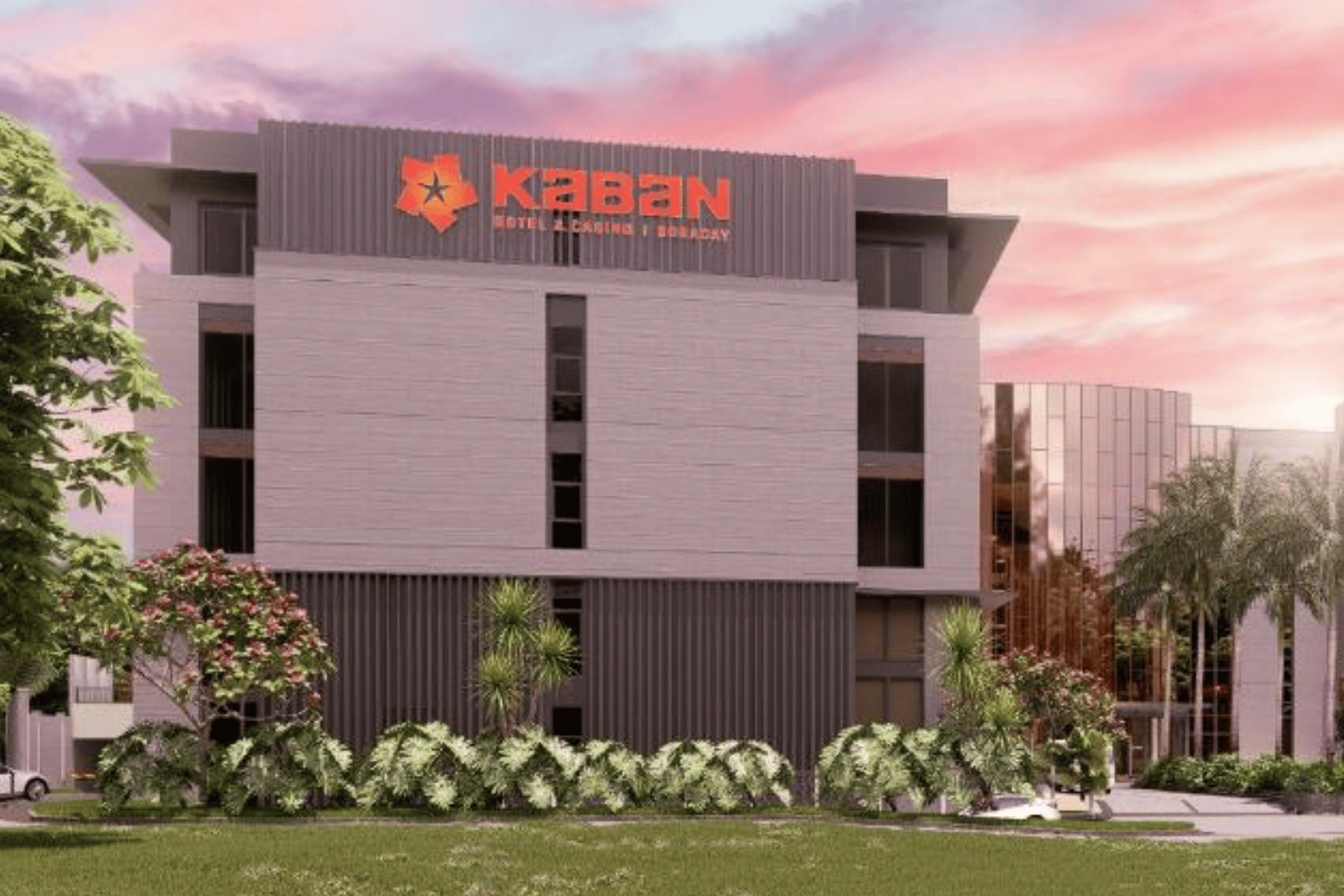
Boracay’s first hotel-casino is opening its doors today, nearly a decade after the island’s local government adopted a 15-year moratorium on casino operations.
That timing is worth looking at because Boracay has already experienced what happens when tourism grows faster than the systems needed to support it. The island had to close for six months in 2018 and undergo a massive rehabilitation after years of unchecked development strained its environment and infrastructure.
Kaban Hotel and Casino Boracay, in Station 0 in Barangay Yapak, has 88 rooms and a 2,000-square-meter casino licensed by PAGCOR. It forms part of Golden TW Realty and Development Corp.’s broader 23-hectare master-planned development, which is also expected to include a lifestyle shopping center.
An investment of this scale can clearly bring economic activity. It means jobs, visitor spending and more business for suppliers, restaurants, transport operators and other enterprises that serve Boracay’s tourism economy.
Gaming itself is also big business. PAGCOR reported ₱396.14 billion in gross gaming revenue in 2025, while licensed land-based casinos generated ₱182.50 billion.
So there is a legitimate economic case for regulated gaming. The question is whether Boracay is equipped to absorb the additional growth that comes with it.
The 2018 closure was triggered by problems that included untreated wastewater, insufficient sewerage, excessive solid waste, damaged natural habitats and structures occupying forestlands and wetlands. Government assessments later found that the island had exceeded its assessed physical and population carrying capacities, with critical infrastructure and environmental projects still needing work.
Boracay’s rehabilitation came with a costly lesson. Tourism can generate money much faster than an island can expand the infrastructure needed to support that growth.
That is why every major investment coming into Boracay should be viewed alongside the additional burden it places on the island.
A hotel-casino does not operate in isolation. A development of this size will add demand for power, water, waste and wastewater services, while its workers and visitors also add pressure to transportation and housing.
Those costs do not necessarily appear on the project’s balance sheet in the same way its revenues do. Some eventually land on government, businesses, and residents.
That is where the business conversation around Boracay should go.
If a private company earns from the island’s tourism economy, how much of the infrastructure needed to support that growth should also form part of the investment?
The answer should include whether the island has enough capacity to deal with the development’s additional wastewater, waste, traffic, power demand, worker housing and environmental pressure.
The 2017 Malay Sangguniang Bayan resolution established a 15-year moratorium on casino operations, while allowing periodic review based on the feasibility and economic impact of gaming. PAGCOR later lifted its own three-year moratorium on new casinos in 2021.
The policy has since moved on, and the casino is now opening. That makes the standards for the next major development even more important.
Environmental groups have also raised concerns about forestland, flying-fox habitat and forest-land-use planning in the area. Those concerns deserve a transparent accounting of the project’s approvals, environmental assessments and safeguards.
The next question is what this means for future investors looking at Boracay. If the island wants to keep attracting capital, it also needs a clear idea of how much growth its infrastructure can handle and who will pay for the additional capacity.
Government has to make sure that future projects are judged not only by how much investment they can bring in, but by what the island can actually support.
Boracay already went through the painful exercise of discovering that tourism growth has limits.
The island should not have to go through another rehabilitation to prove the point.
New investments can create jobs, business opportunities and government revenue. But growth is only a good deal for Boracay if the island has the capacity to carry it.
The casino can count its rooms, gaming tables and projected revenues. Boracay should count the costs, too.
READ:
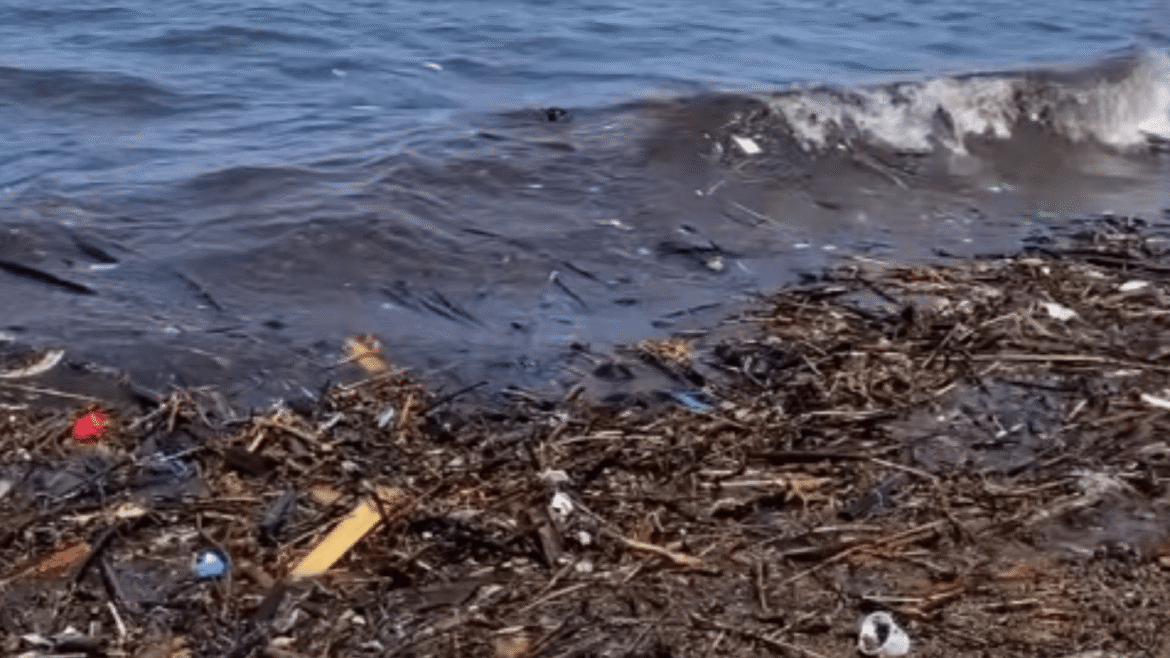
Boracay beach collects organize and plastic wastes due to typhoon
Annie Azucena
July 18, 2026

Go-to bakasyunan Boracay turns into SEA race course
radar Lifestyle
August 19, 2026
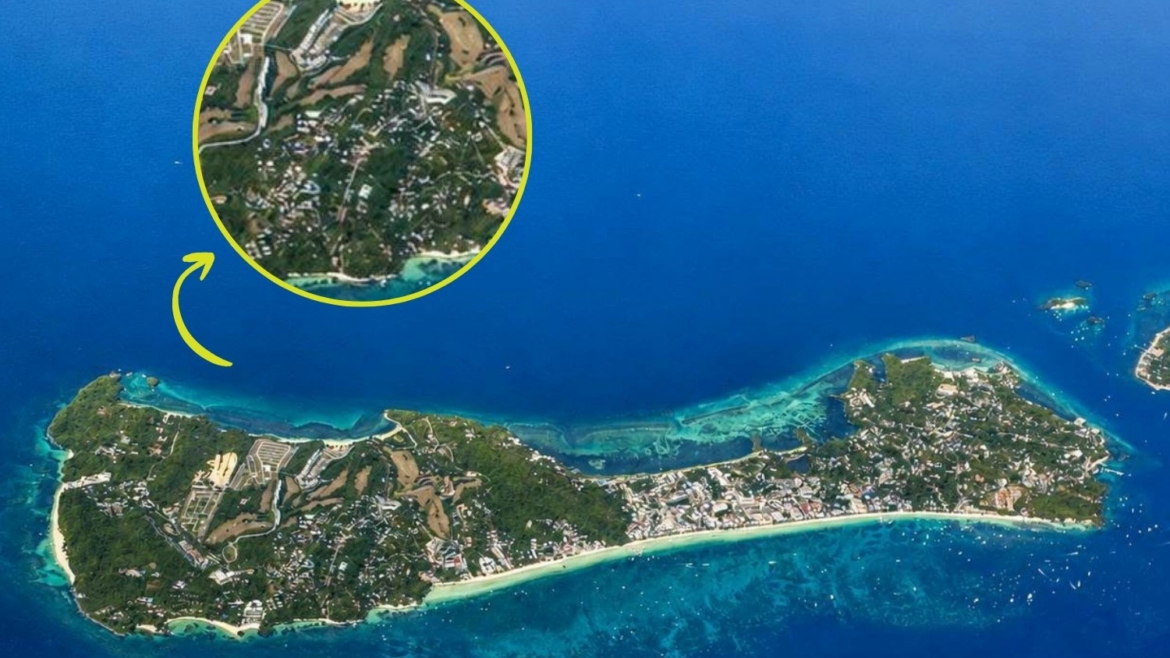
Aerial photo shows exposed land, road networks in Boracay’s last green zone
Kieth Earl Rebaño
June 20, 2026