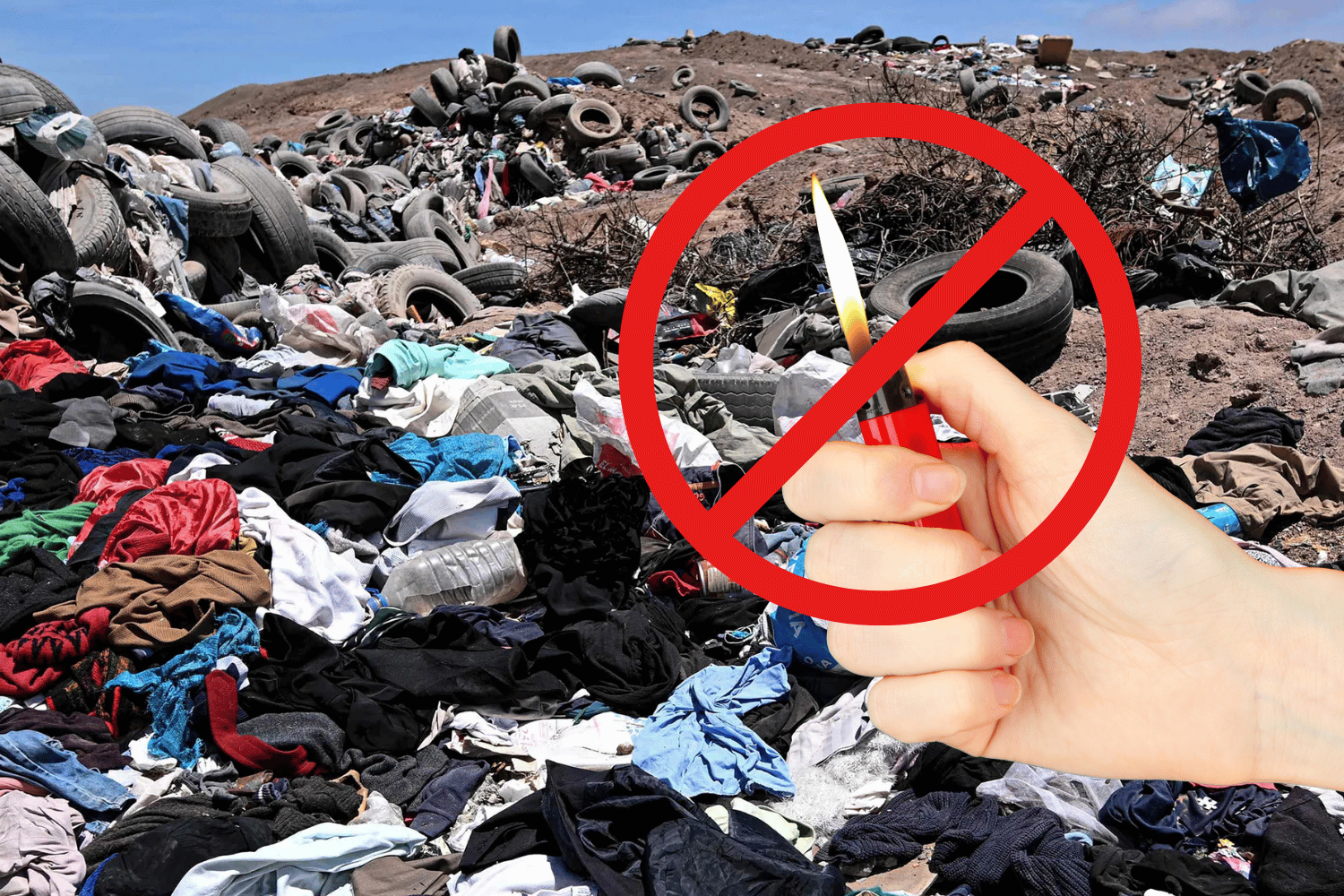
The European Union’s new rule pushes brands to rethink excess inventory and offers lessons for Philippine retailers.
Europe has taken a bold step against fashion waste, with implications that could eventually reach retailers well beyond the European Union, including those in the Philippines.
Starting July 19, 2026, the European Union began enforcing a ban on the destruction of unsold clothing, footwear, and clothing accessories by large companies under its Ecodesign for Sustainable Products Regulation (ESPR). The measure forms part of the bloc’s broader push to keep products in circulation longer through resale, repair, reuse, remanufacturing, and recycling instead of sending them straight to landfills or incinerators.
The regulation applies first to large companies, while medium-sized businesses are expected to come under the rules beginning in 2030. Companies must also disclose information on what happens to their unsold goods, adding greater transparency to how excess inventory is handled.
One detail that has gained traction on social media deserves clarification. Many posts claim businesses are now required to donate or recycle every unsold item. That is only partly correct. The EU rules allow several alternatives, including resale, donation, remanufacturing, reuse, and recycling, while certain exemptions apply to products that are unsafe, counterfeit, or severely damaged.
The policy targets a long-standing environmental concern. According to the European Commission, an estimated 4% to 9% of unsold textiles in the EU are destroyed instead of reaching consumers or being reused, contributing to avoidable waste and carbon emissions.
Reports circulating online estimate that between 264,000 and 594,000 tonnes of textiles are destroyed across the EU every year. While the estimate has appeared in multiple reports, radar could not independently verify the specific range.
The discussion becomes more interesting when viewed through a Philippine business lens.
The Philippines has no nationwide policy that specifically bans the destruction of unsold clothing or fashion items. Retailers typically manage excess inventory through clearance sales, outlet stores, warehouse events, donations, or liquidation, although public data showing how much unsold apparel ultimately ends up as waste remains limited.
If a similar policy were introduced locally, businesses would likely need to rethink how they manage unsold inventory. More products could find their way to discount stores, charities, resale platforms, or recycling facilities instead of being discarded. Consumers could benefit from lower-priced merchandise, while companies would also need to deal with additional compliance, record-keeping, and logistics requirements.
Another question is whether more unsold European fashion could eventually find its way into global resale markets. The regulation does not specify where products should be resold or donated, but if more excess inventory enters international secondhand supply chains, some of it could conceivably reach markets familiar to Filipino shoppers, including ukay-ukay stores. There is no evidence yet that the new EU rules are producing that outcome, and whether it happens on a meaningful scale remains to be seen.
Whether such a policy would be practical in the Philippines is another question altogether. Retailers operate in a very different market, and any proposal would have to balance sustainability goals with the realities of doing business. Even so, the EU’s latest regulation offers a glimpse of how governments are beginning to view unsold inventory not simply as excess stock, but as an asset with value that can still be recovered.
READ:

FIRST ON RADAR: Bea Alonzo’s BASH expands retail presence with new Glorietta store
John Lloyd Aleta
July 29, 2026

Robinsons Retail is leaving the stock market as delisting nears after ₱11.25B tender offer
radar Business
July 8, 2026
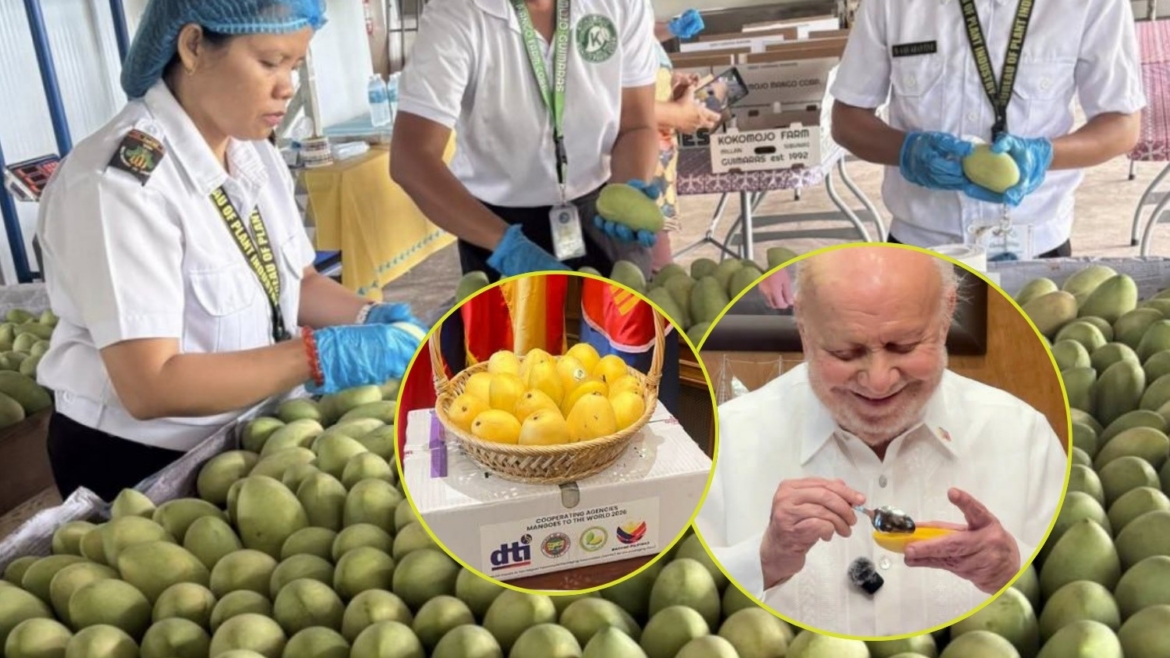
Guimaras mangoes reach Spain in first European test shipment
John Lloyd Aleta
June 22, 2026