Industry says the Philippines could attract more nickel investments, but faster permits and regulatory reforms remain key.
Indonesia’s upcoming decision on its 2026 nickel mining quota could create new opportunities for the Philippines—but only if the country can convince investors that it’s ready to play a bigger role in the global critical minerals supply chain.
The Philippine Nickel Industry Association (PNIA) said Indonesia’s pending Rencana Kerja dan Anggaran Biaya (RKAB), which sets annual nickel mining production quotas, highlights the need for a more diversified and resilient supply chain for the metal.
Nickel is a key raw material used in batteries for electric vehicles, energy storage systems, and stainless steel, making it one of the world’s most sought-after critical minerals.
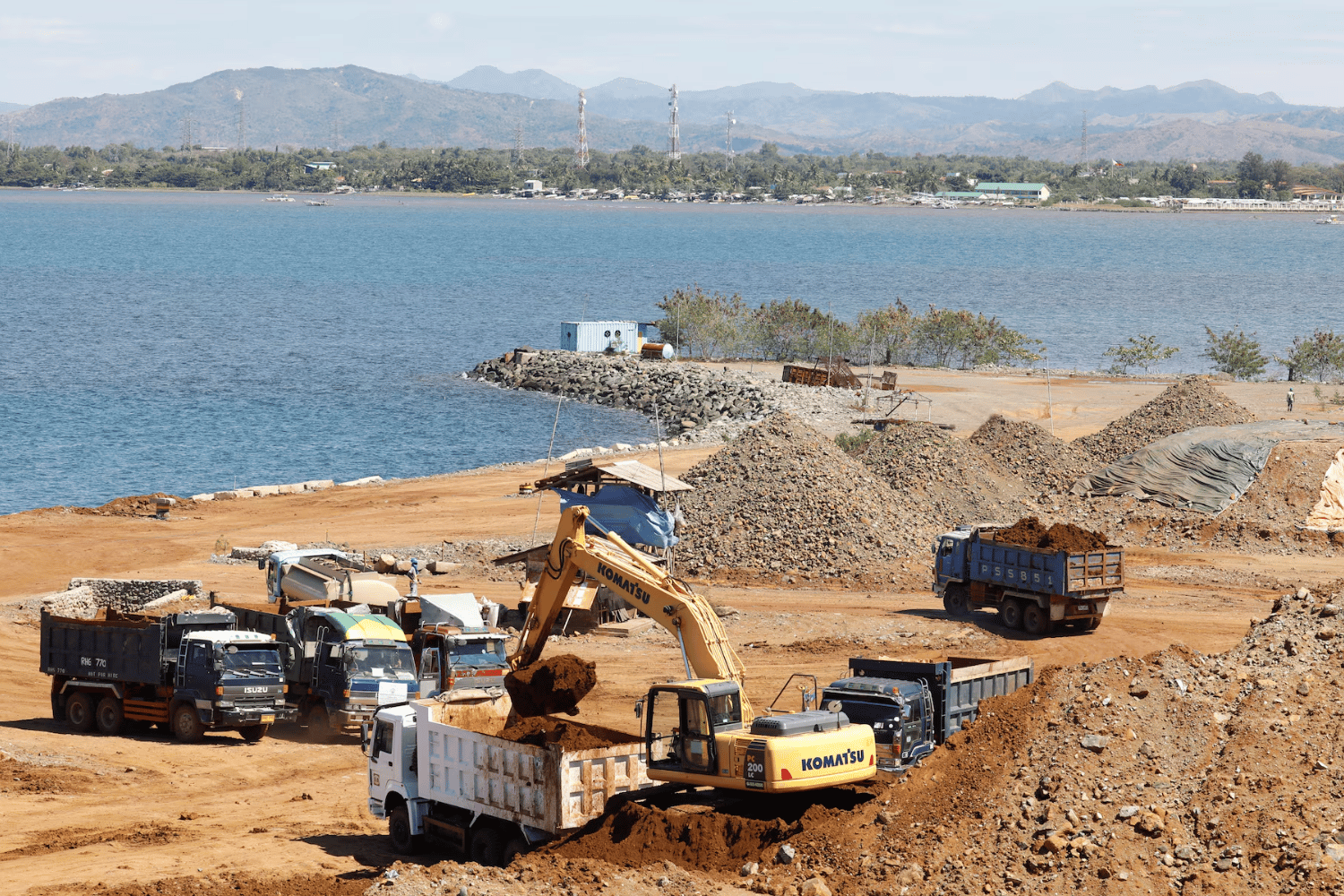
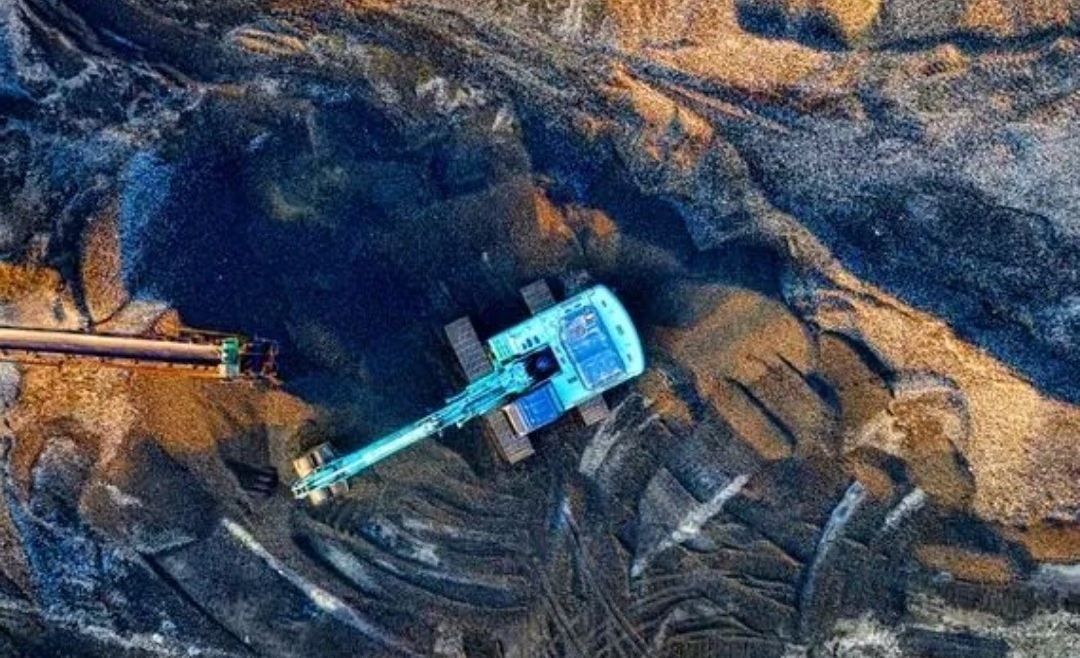
According to the PNIA, the Philippines accounted for about 10% of global nickel production and produced 67 million wet metric tons of nickel ore in 2025. More than 70% of that output came from PNIA member companies.
“Indonesia’s quota decisions each year are a reminder of a simple fact: global nickel supply cannot responsibly rest on a single country’s policy calendar,” PNIA President Dante R. Bravo said.
The group said the Philippines has an opportunity to position itself as a dependable supplier as manufacturers and investors increasingly look to diversify sources of critical minerals.
Still, PNIA acknowledged that taking advantage of that opportunity will require more than abundant mineral resources.
Faster permitting processes and more predictable regulations are needed to attract investments in downstream industries such as nickel processing, which would allow the country to capture more value instead of exporting raw ore.
“We have the ore. We have growing interest from processing investors. What stands between the Philippines and a much larger role in the global battery and stainless steel supply chain is the speed and predictability of our own permitting system,” he said.
PNIA also pointed to growing regional cooperation, including its partnership with Indonesia’s nickel miners association through the so-called “IndoPhil Nickel Corridor,” which aims to promote responsible mining, sustainability, investment, and knowledge sharing.
Closer economic ties with countries such as Canada could help diversify markets and attract responsible investments as global manufacturers seek more stable sources of critical minerals.
While Indonesia remains the dominant player in the global nickel market, PNIA said the Philippines has an opportunity to strengthen its position as companies seek to reduce dependence on a single supplier.
Whether that translates into new investments, however, may depend on how quickly the country can address long-standing challenges in permitting and improve the overall ease of doing business.
READ: