Every year, Filipinos travel to Japan and South Korea to photograph spectacular flowering trees. Imagine attracting the same excitement to Philippine parks, where visitors gather beneath beautiful blossoms for selfies, portraits, and Instagram posts.
The Philippines already has a native tree with that kind of visual potential.
It’s called balai-lamok, also known as salingbobog (Crateva religiosa).
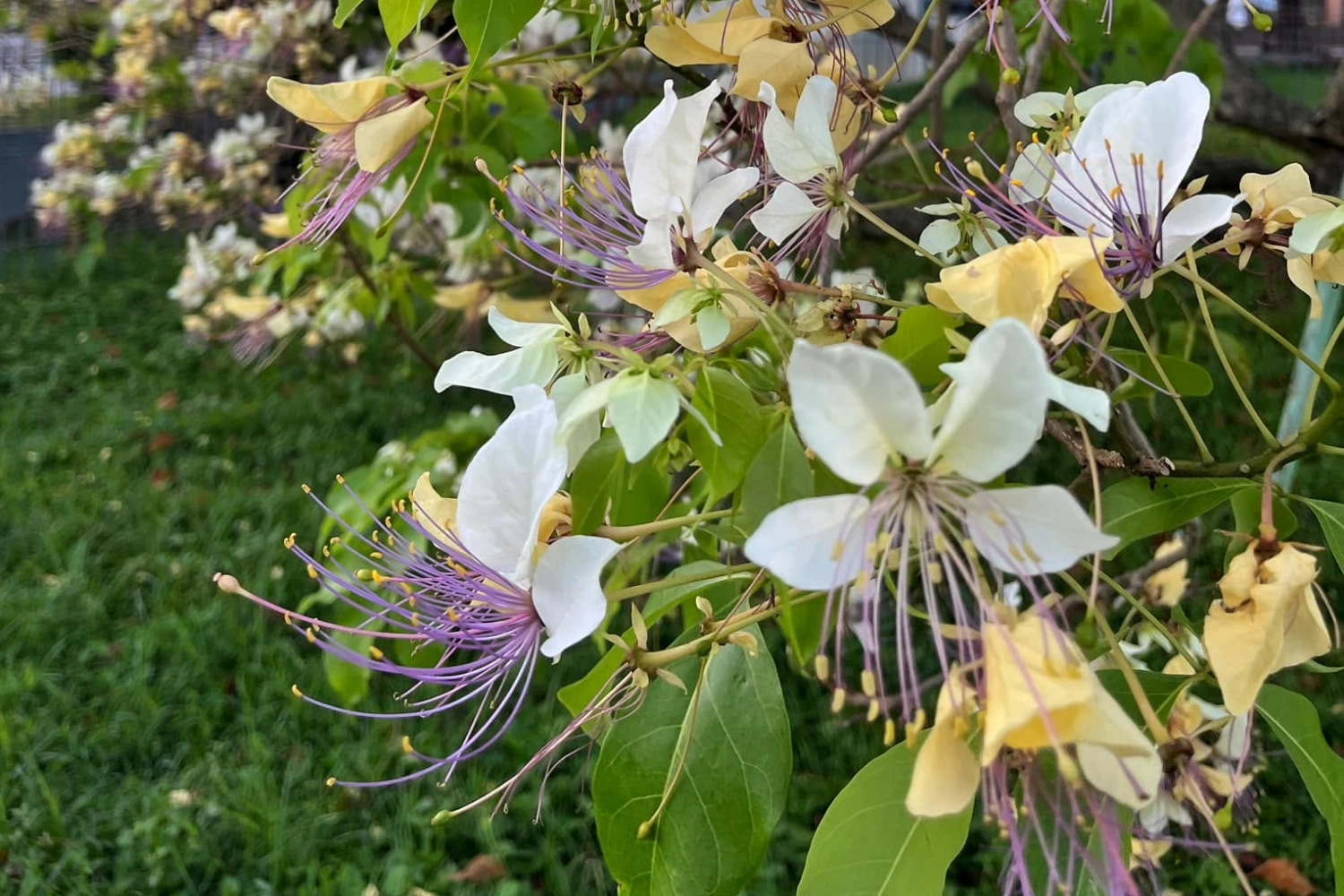
When it flowers, its branches become covered in delicate white and yellowish blossoms accented by long, purplish stamens. The result is a striking floral display that could easily become the centerpiece of an Instagram-worthy public park.
A natural photo attraction
Balai-lamok is deciduous, shedding much of its foliage before flowering. This makes its blossoms especially prominent against the branches.
Unlike Japanese cherry blossoms, which require particular seasonal conditions, balai-lamok is naturally adapted to tropical environments.
Planted in suitable locations, these trees could create beautiful seasonal attractions in town plazas, school campuses, botanical gardens, and public parks.
Beauty with ecological value
Beyond their photogenic appearance, balai-lamok flowers provide resources for pollinating insects.
As a native species, the tree also offers an opportunity to promote Philippine biodiversity instead of relying exclusively on imported ornamentals.
A forgotten public beauty
Balai-lamok has a documented history in Philippine public spaces.
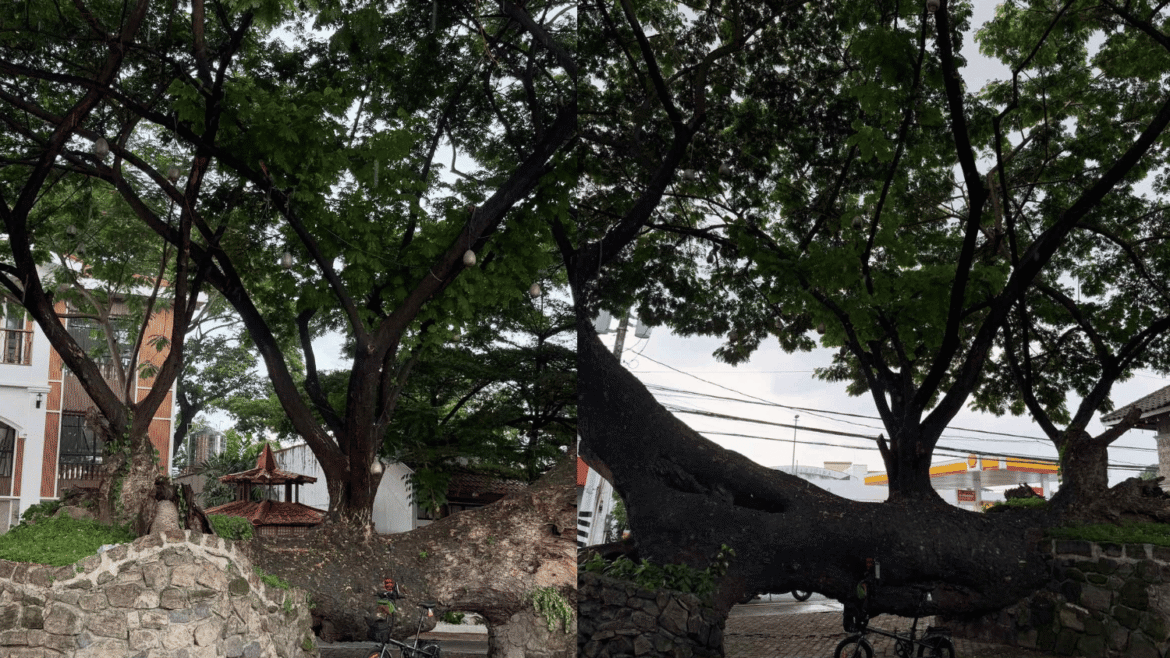
In Cabatuan, Iloilo, a heritage specimen reportedly planted in 1935 by Tomas Confesor remains part of the town’s cultural landscape.
Yet the tree is far from being a familiar feature of modern Philippine parks.
Why not plant more?
Local governments spend considerable resources beautifying public spaces. Balai-lamok deserves consideration as a flowering ornamental, provided planting sites offer adequate space and proper maintenance.
Its spectacular blooms could become seasonal attractions, encouraging photography, tourism, and community appreciation of native trees.
The Philippines doesn’t need to imitate Japan’s cherry blossoms.
We already have a beautiful flowering tree worth celebrating.