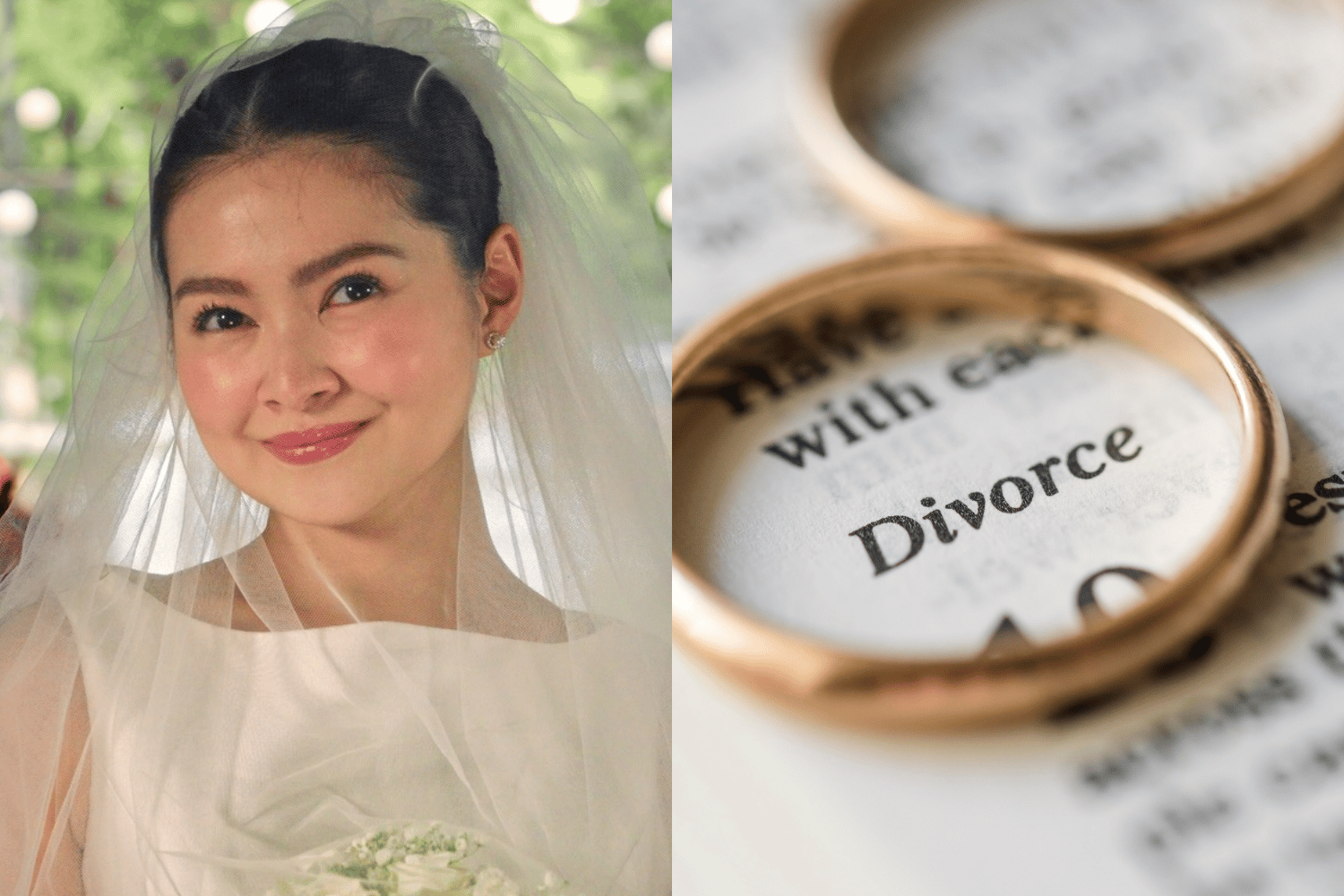
Barbie Forteza sparks discussion on divorce laws after Vegas wedding joke, prompting clarification on what Filipino couples can legally do. Photo from Barbie Forteza / Instagram
Actress Barbie Forteza’s lighthearted remark about wanting a Las Vegas wedding “para may divorce” has sparked online discussions about the Philippines’ divorce laws, prompting lawyer and film producer Atty. Joji Alonso to clarify a common misconception about marriages and divorces involving Filipino citizens.
During the media conference for the upcoming comedy film “Saving Cherry,” Forteza was asked about her dream wedding. The actress jokingly replied, “Dream wedding ko? I wanna get married in Vegas… para may divorce,” drawing laughter from those in attendance before the clip quickly circulated on social media.
Responding to the viral moment, Alonso explained that getting married in Las Vegas does not automatically give two Filipino citizens the legal option to divorce under Philippine law.
“Sadly Barbie Forteza, if you marry (even in Vegas) a fellow Filipino citizen who remains Filipino all throughout your marriage, any divorce you obtain is not going to be recognized under Philippine law,” Alonso wrote on social media.
Her explanation reflects the current legal framework in the Philippines.
Under Article 15 of the Civil Code, known as the Nationality Principle, Philippine laws governing family rights, status, and legal capacity continue to apply to Filipino citizens even if they marry or reside abroad. This means that if two Filipino citizens marry overseas—including in jurisdictions such as Las Vegas where divorce is legal—and later obtain a foreign divorce, that divorce generally has no legal effect in the Philippines. They remain legally married under Philippine law.
One important exception is found in Article 26, Paragraph 2 of the Family Code. If a Filipino is married to a foreign national and the foreign spouse later obtains a valid divorce abroad, the Filipino spouse may have that foreign divorce judicially recognized by Philippine courts. Once recognized, the Filipino gains the legal capacity to remarry under Philippine law.
The Philippines remains one of the few countries in the world that does not allow absolute divorce for most marriages. Annulment, declaration of nullity, and legal separation remain the primary legal remedies available to Filipino couples, while foreign divorce is recognized only under the limited circumstances provided by law. Although several divorce bills have been filed in Congress through the years, none has yet been enacted into law.
While Forteza’s comment was clearly made in jest, the viral exchange has become an opportunity to educate the public about the distinction between where a marriage takes place and which country’s laws govern the marital status of Filipino citizens.