The agency’s recycling program allows households to exchange recyclable materials for grocery items, but advocates say stronger waste management measures are still needed to tackle the region’s growing garbage problem.
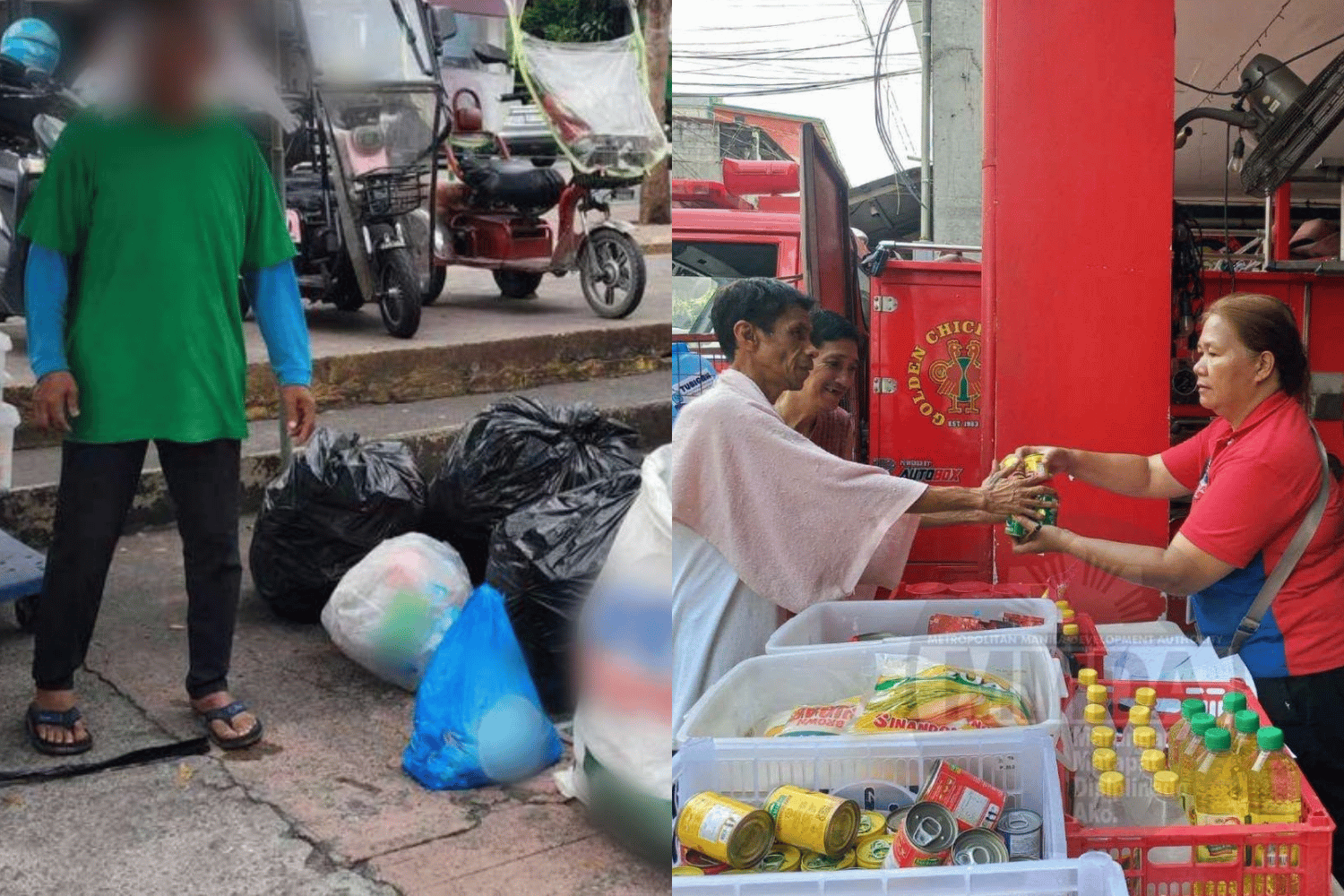
As Metro Manila continues to grapple with its waste problem, residents now have another reason to separate their recyclables. An MMDA program lets households exchange plastic bottles, paper, glass, metal cans, and other recyclable materials for grocery items.
The Metropolitan Manila Development Authority has been implementing its “Recyclables Mo, Palit Grocery Ko” initiative through the Mobile Materials Recovery Facility (MMRF) since last year, allowing residents to earn points for every kilogram of clean, dry recyclables they turn in.
The points are recorded in an Ecosavers Passbook and can later be redeemed for grocery items during scheduled MMRF visits to participating barangays.
According to the MMDA, the collected recyclables are sold to accredited junk shops and recyclers partnered with participating local government units and barangays.
In June, the MMDA said it collected almost 7,700 kilograms of recyclable materials from participating barangays in Manila, Makati, Taguig, Pasay, Malabon, and San Juan.
The agency said the program aims to encourage waste segregation while reducing the amount of recyclable materials that end up in waterways and drainage systems, where they can contribute to flooding.
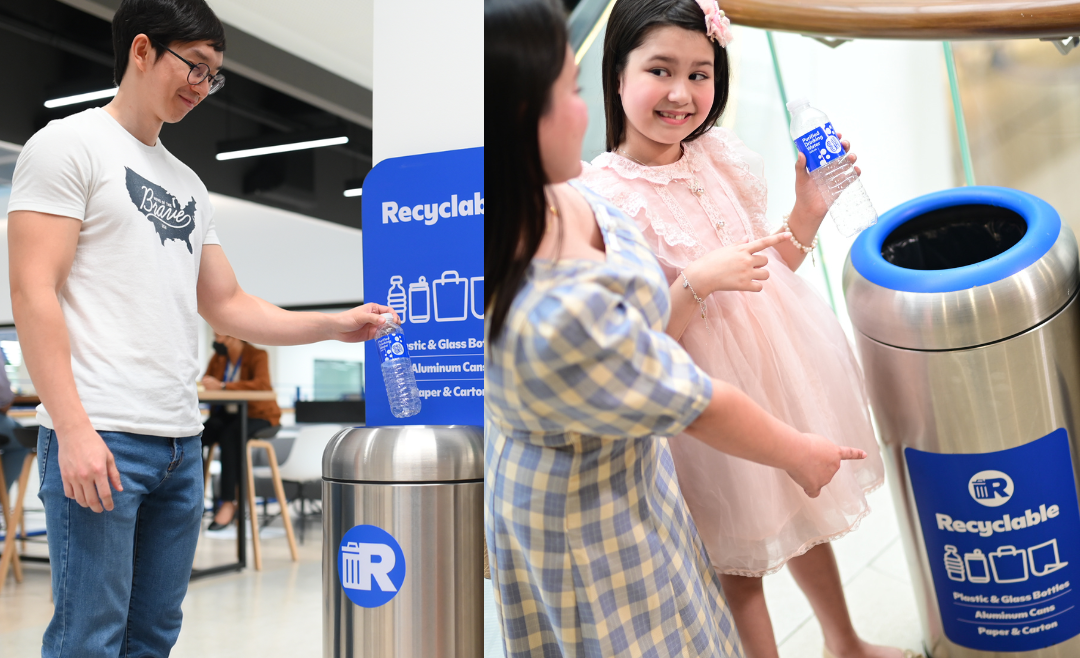
Still, environmental advocates argue that incentive-based recycling programs can only go so far. They say stronger waste segregation, more accessible materials recovery facilities, better collection systems, and reduced dependence on single-use plastics remain essential to meaningfully reduce the amount of garbage reaching landfills and rivers.
Programs like this can help keep recyclables out of the waste stream, but they represent only one piece of the much larger challenge of managing Metro Manila’s growing volume of trash.
READ: