It starts with a simple swipe.
You match with someone attractive. The conversation feels effortless. They reply almost instantly, remember the little details you share, and before long, they’re calling you “babe” or talking about meeting in person.
But what feels like the beginning of a romance could actually be the start of a scam.
Authorities have repeatedly warned that online love scams are becoming increasingly sophisticated. With the help of artificial intelligence, fake investment platforms, and elaborate impersonation schemes, cybercriminals are finding new ways to manipulate victims emotionally before stealing their money.
Here are some of the most common dating app scams to watch out for.
AI catfishing and deepfakes
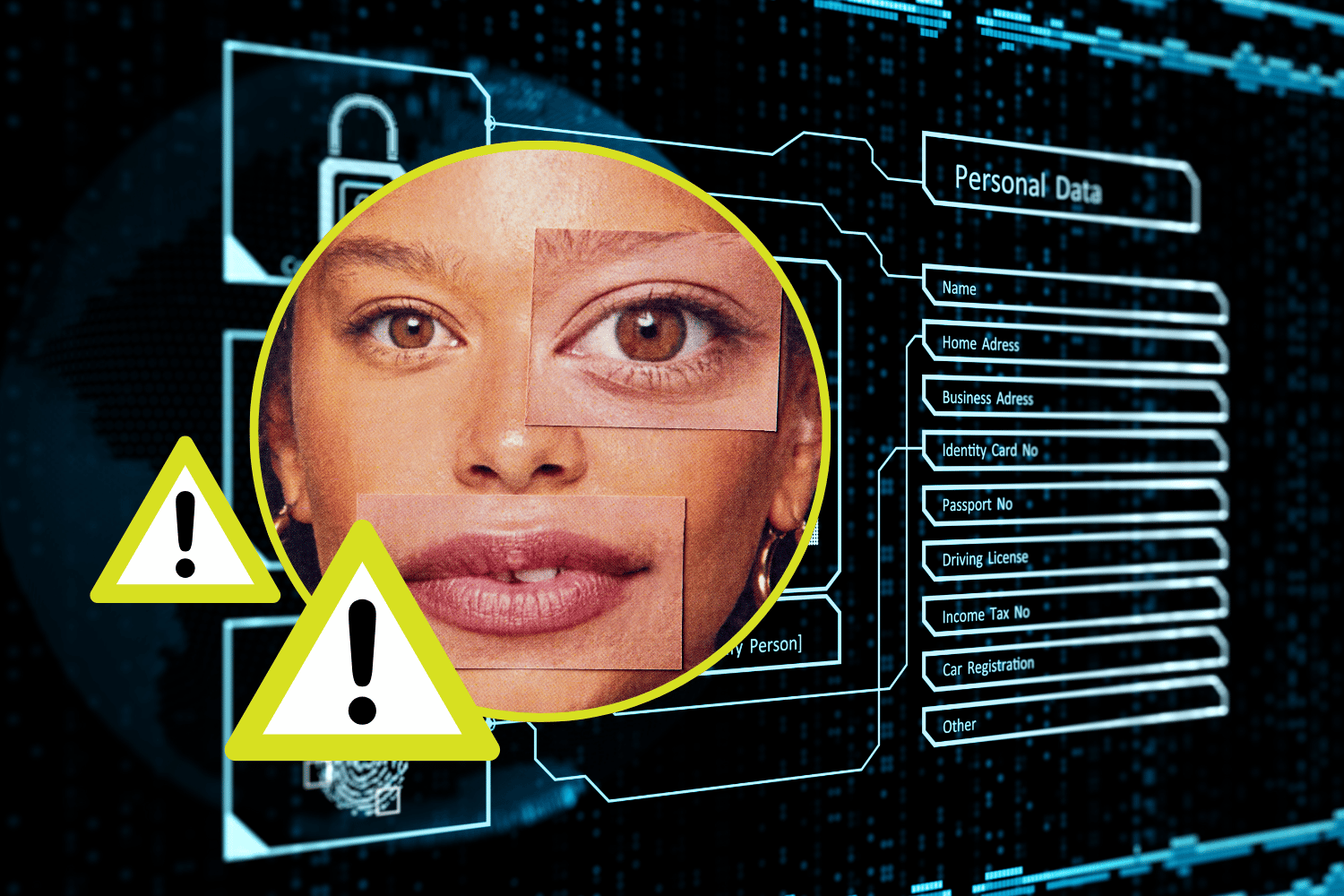
The days of simply stealing someone else’s photos are over.
Scammers now use artificial intelligence to create convincing fake identities, clone voices, and even conduct realistic-looking video calls using deepfake technology. Their goal is to make you believe you’re talking to a real person and build emotional trust as quickly as possible.
Once they think you’re emotionally invested, the requests begin—money for a medical emergency, airfare to finally meet you, or customs fees to claim an expensive gift supposedly waiting for you.
The crypto-romance scam
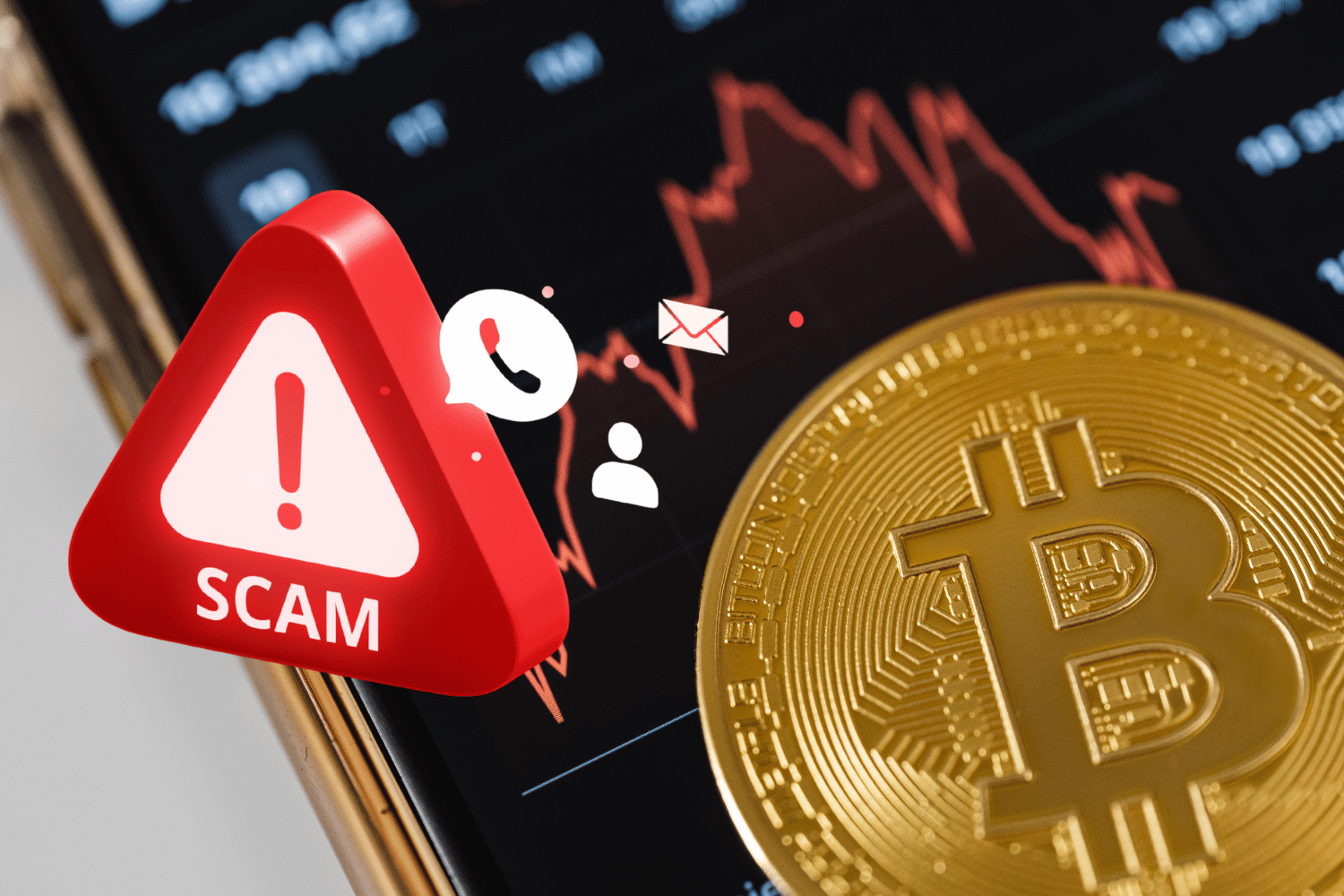
Some scammers never ask for money directly.
Instead, they casually steer conversations toward cryptocurrency, investing, or financial freedom. After gaining your trust, they offer to teach you how to trade using what appears to be a legitimate investment platform.
The first few transactions may even show fake profits to encourage larger deposits. But once you invest significant amounts, the money becomes impossible to withdraw, and the scammer disappears.
This scheme, commonly known as “pig butchering,” has become one of the fastest-growing online financial scams worldwide.
Fake jobs and modeling gigs
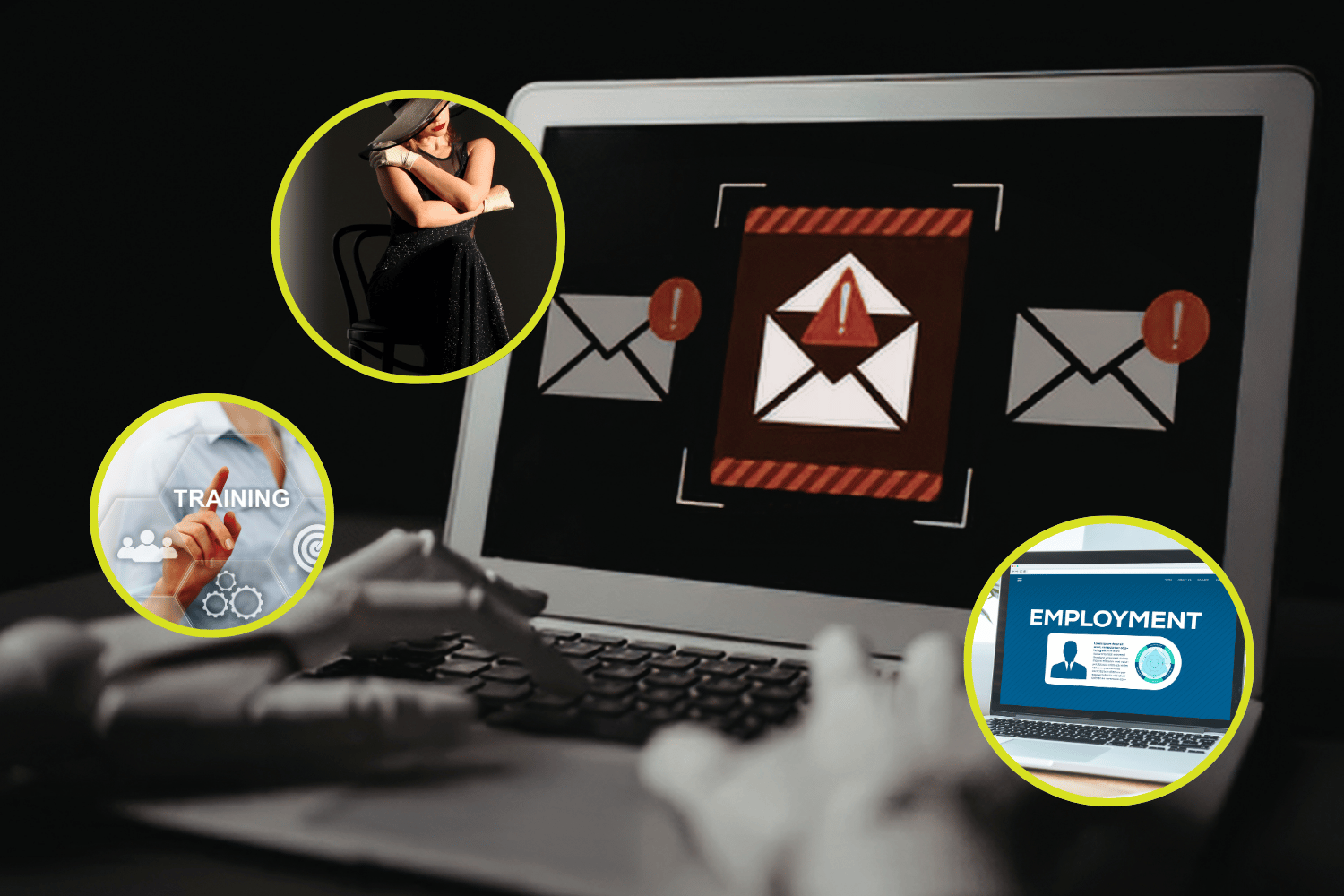
Not every dating app scam is about romance.
Some fraudsters pretend to be talent scouts, business managers, or wealthy entrepreneurs looking for models, influencers, or employees.
Victims are promised lucrative opportunities before being asked to pay processing fees, submit sensitive personal information, or participate in suspicious “training” activities. In more serious cases, victims are manipulated into exploitative online work or illegal financial transactions.
The “package from abroad” scam
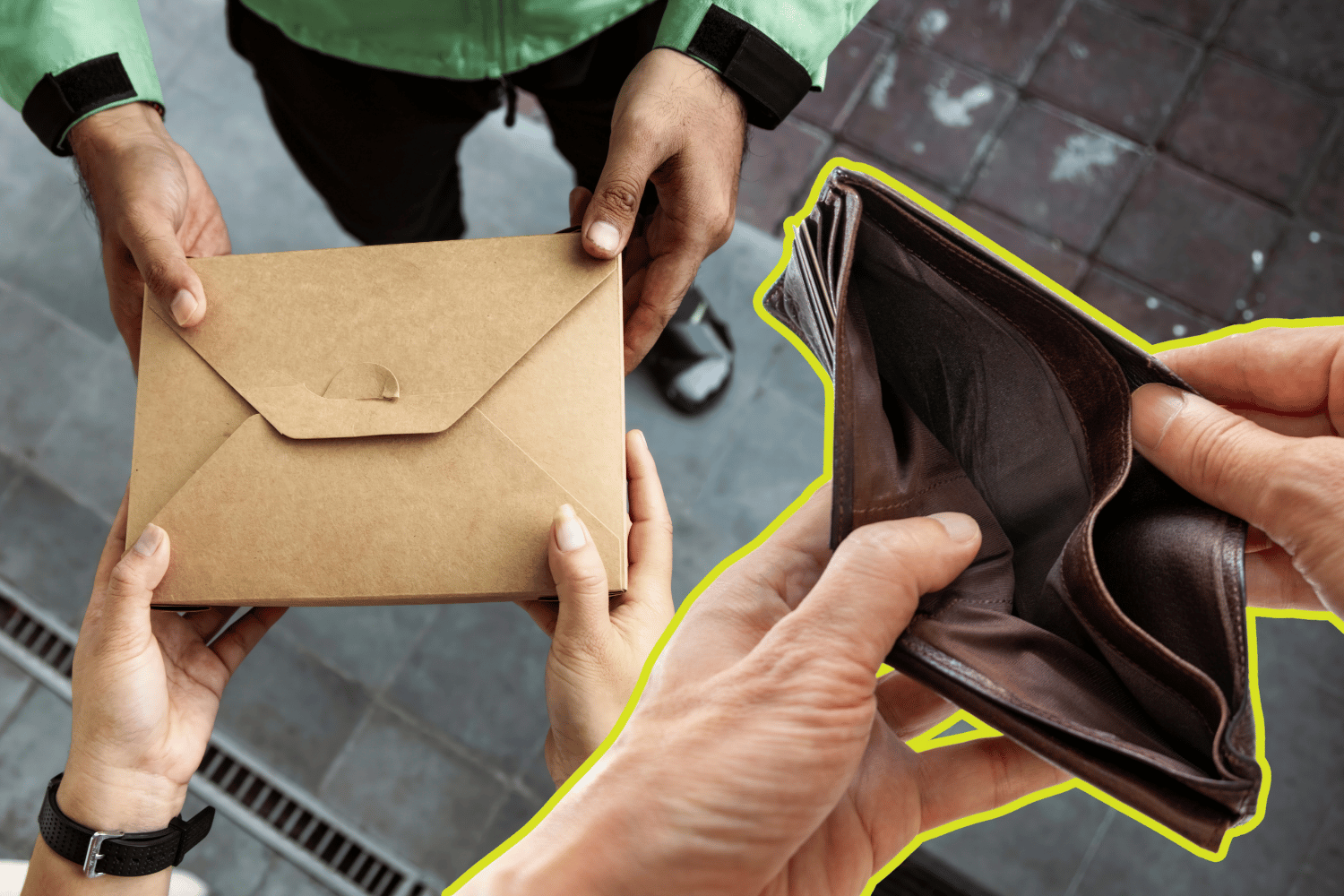
This remains one of the oldest—but still one of the most effective—love scams.
A match claiming to be a wealthy foreigner or overseas Filipino worker tells you they’ve sent an expensive package filled with gadgets, luxury items, or cash.
Soon afterward, someone pretending to be from the Bureau of Customs contacts you demanding payment for taxes, customs duties, or release fees through GCash, Maya, or a personal bank account.
The Bureau of Customs has repeatedly reminded the public that it never collects duties or taxes through personal bank accounts or digital wallets.
Red flags you should never ignore
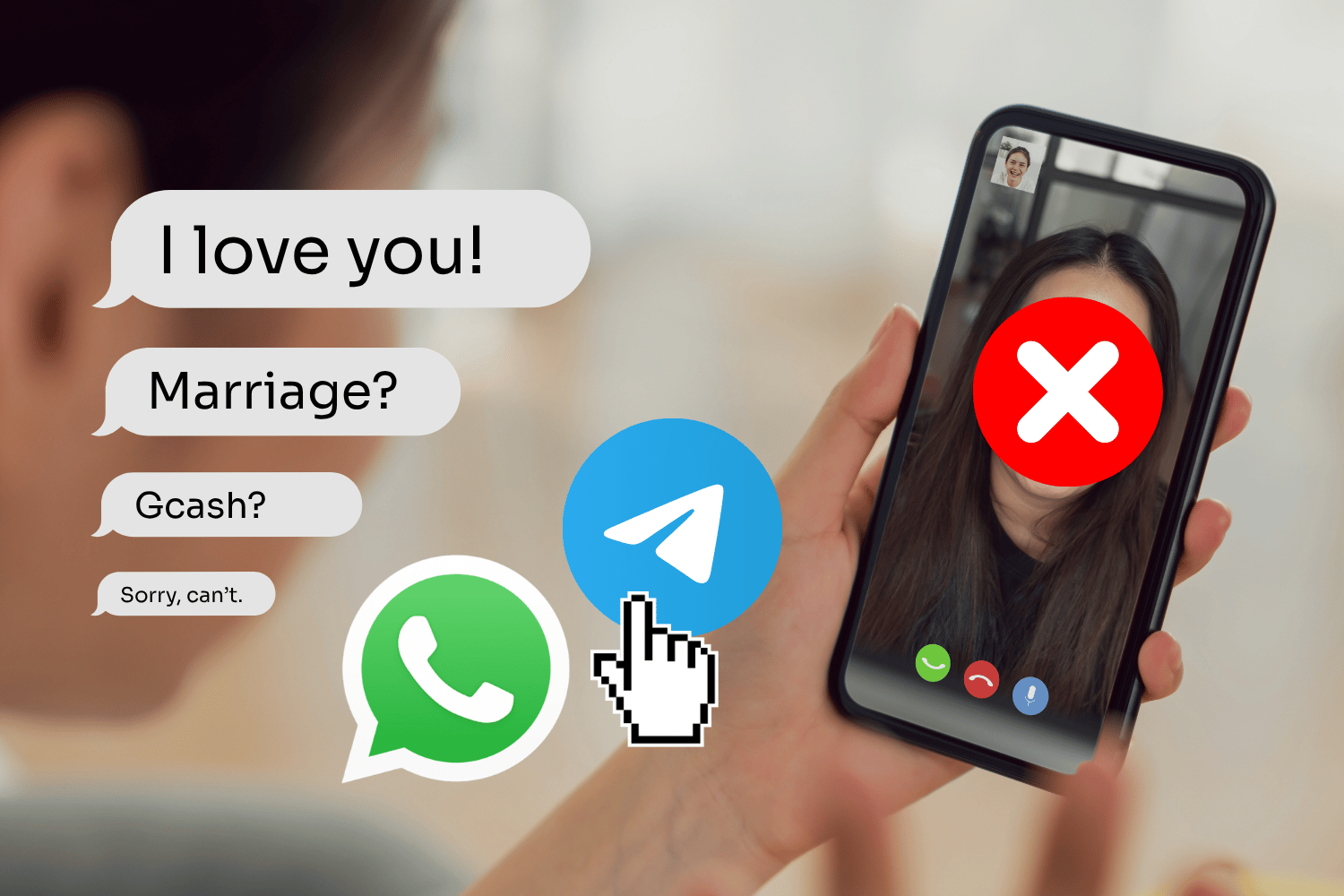
Many dating scams follow the same pattern. Be cautious if someone:
- Says “I love you” or talks about marriage after only a few days.
- Pressures you to leave the dating app and continue the conversation on Telegram or WhatsApp.
- Constantly finds excuses to avoid meeting in person or doing spontaneous video calls.
- Asks you to send money, cryptocurrency, gift cards, or payments through GCash, Maya, or bank transfers.
How to stay safe
The simplest rule is still the best one: never send money to someone you have never met in person, no matter how convincing their story may be.
Take time to verify profiles by reverse-searching their photos and paying attention to AI-generated inconsistencies, such as distorted hands, unnatural backgrounds, or oddly blurred details.
If you suspect you’re being targeted, stop communicating immediately, keep screenshots of your conversations and transactions, and report the incident as soon as possible. Victims of online scams may also contact the national Cybercrime Anti-Scam Hotline by dialing 1326.
In today’s world of AI-generated faces and emotionally engineered conversations, protecting your heart also means protecting your wallet.