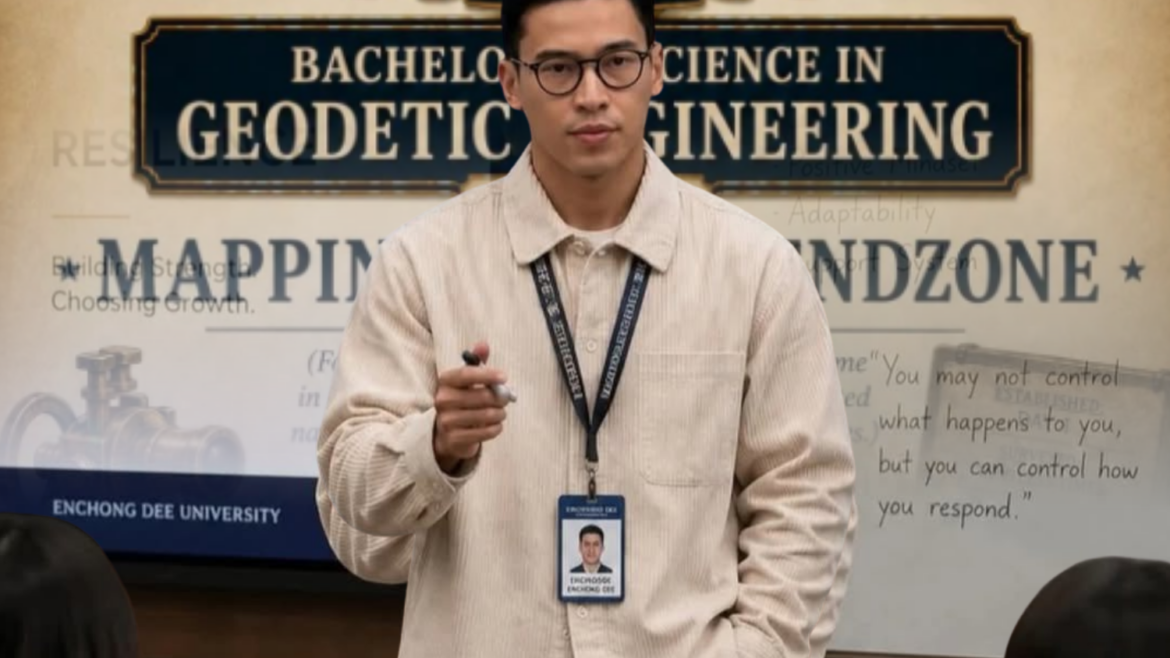
It’sStefano is known for pretending to work across different professions, paired with a poker face and “nonchalant” delivery.
But many argued that the format itself isn’t entirely original.
The emotionless and deadpan style often associated with It’sStefano has long existed across YouTube—even before he became a content creator.
Senegalese-Italian Khaby Lame built his audience through his silent, expressionless reactions to viral life hacks.
American MoistCr1TiKaL’s commentary videos showcase his monotonous delivery and understated humor.
Italian Davie504 incorporated deadpan comedy, recurring jokes, and a consistent poker-faced persona into his music-centered content.
Even the “one-day job” concept had already been explored by others. Among them is Filipino Russco Jarvina, who takes on different professions through his “A-Z Job Challenge.”
American Michelle Khare immerses herself in professions and experiences—under the guidance of experts—in her award-winning “Challenge Accepted” series.
So, how much of an idea can be reused before it becomes copying?
For many, the issue lies in execution.
Some creators use existing ideas as a starting point and add their own style. Others replicate the format, tone, and structure—crossing into copycat territory.
At the same time, creators point to the system itself. In a saturated space, doing what already works is often the safest way to stay visible.
Platforms tend to push content that are performing well. As a result, copying becomes a survival strategy in a system that prioritizes engagement over originality.
Ironically, platforms like Meta have policies meant to limit repetitive or low-quality content—yet similar formats continue to thrive across feeds.
The internet has made creativity more accessible than ever. But it may have also made originality harder to sustain.
READ: