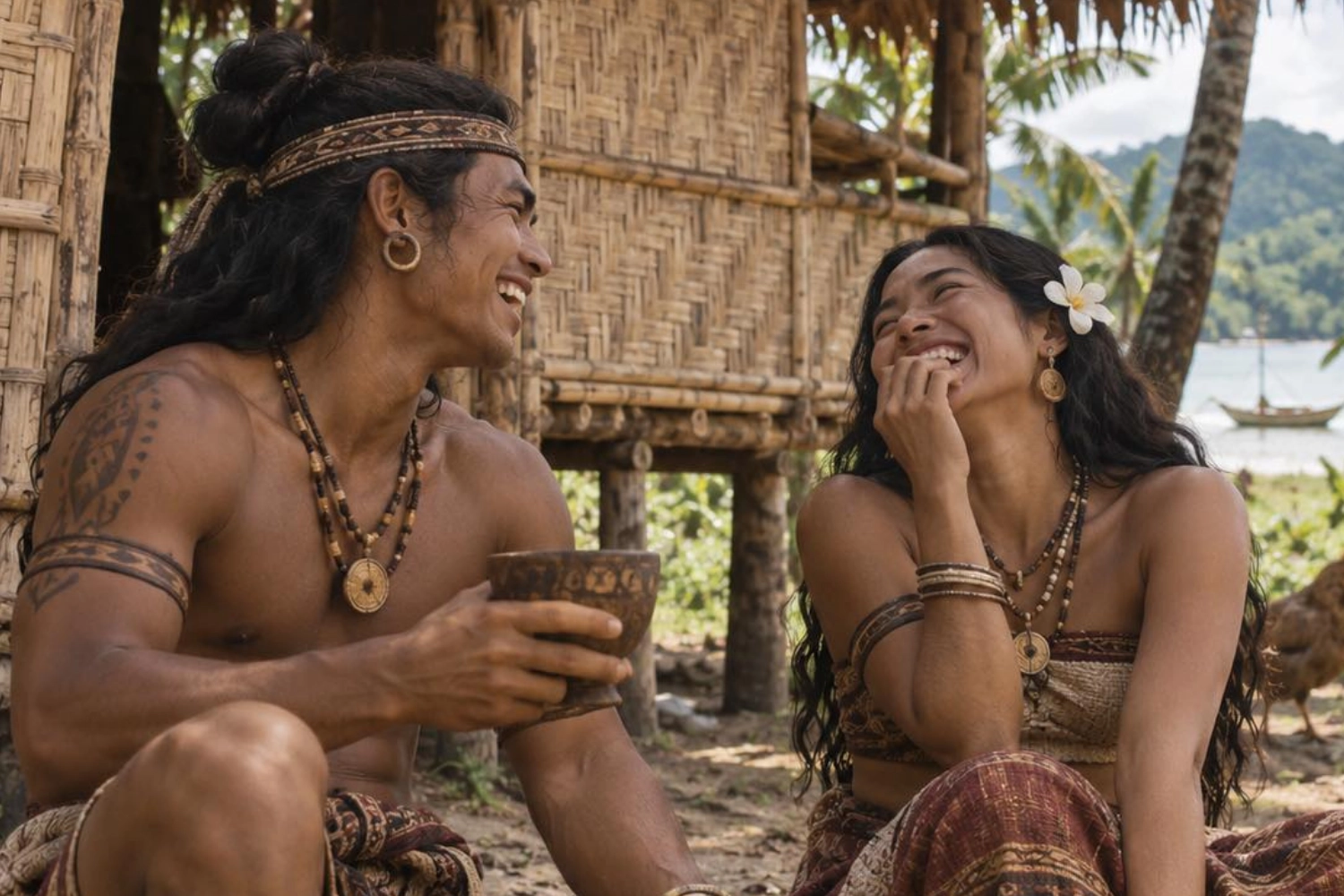
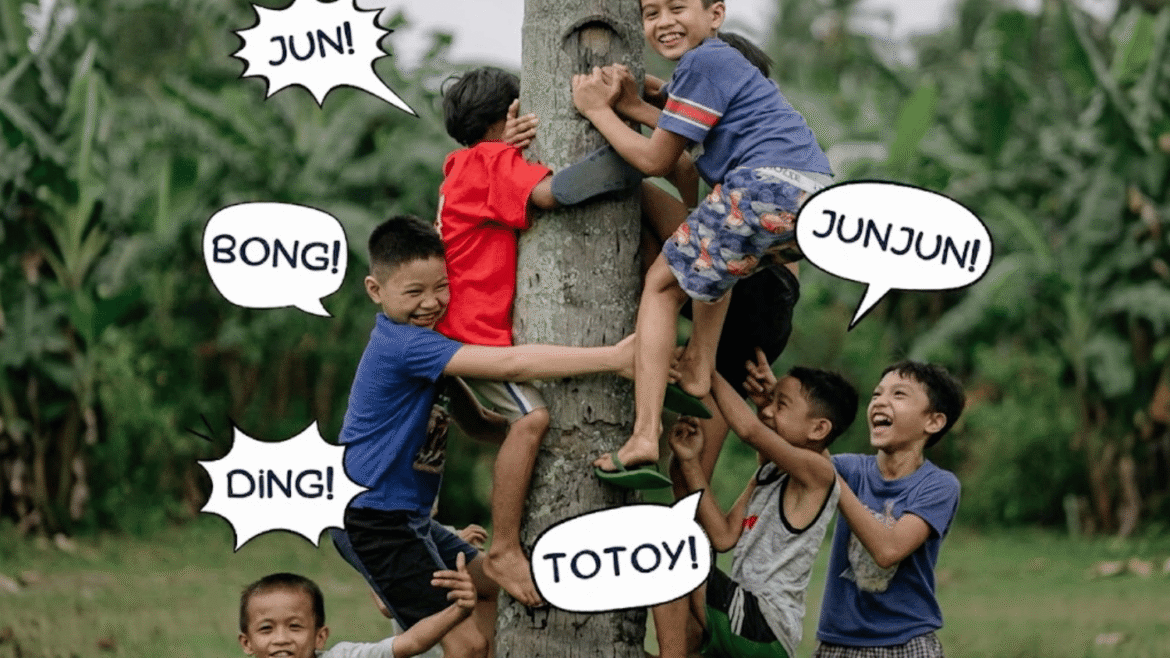
A child born during a thunderstorm could have been named after lightning. Another might have been named after a river, a bird, or a remarkable physical trait. For early Filipinos, naming a child was often a deeply personal affair, inspired by nature, birth circumstances, and the world around them.
Before Spanish colonization, many indigenous communities in the Philippines used personal names rather than hereditary surnames passed down through generations.
In his 1604 chronicle “Relación de las Islas Filipinas,” Jesuit missionary Fr. Pedro Chirino described how mothers named their children after objects or circumstances associated with their birth. He cited Ilog (river) and Ilogin, its feminine counterpart, as examples of indigenous naming conventions.
Other fascinating names can be traced to surviving historical documents. Records of the Tondo Conspiracy of 1587–1588 contain names such as Amanicalao (father of Kalaw, or hornbill) and Amarlangagui (father of Langawi).
Interestingly, parents could also adopt new names referencing their firstborn children, effectively making parenthood part of their identity.
Among the most recognizable indigenous personal names recorded in early colonial accounts are Humabon and Lapu-Lapu, both documented by Italian chronicler Antonio Pigafetta during the Magellan expedition in 1521.
Philippine folklore, indigenous languages, and oral traditions also offer a rich collection of names that could inspire Filipino parents today.
For boys, there are Malakas (strong), Bayani (hero), Dakila (noble), Makisig (gallant), Kidlat (lightning), and Agila (eagle).
For girls, there are Tala (star), Mayumi (gentle), Dalisay (pure), Liwayway (dawn), Luningning (brilliance), Mutya (precious jewel), and Amihan (northeast wind).
Not all these names, however, are documented as personal names used during precolonial times. Some are indigenous words that have since been adopted as modern given names.
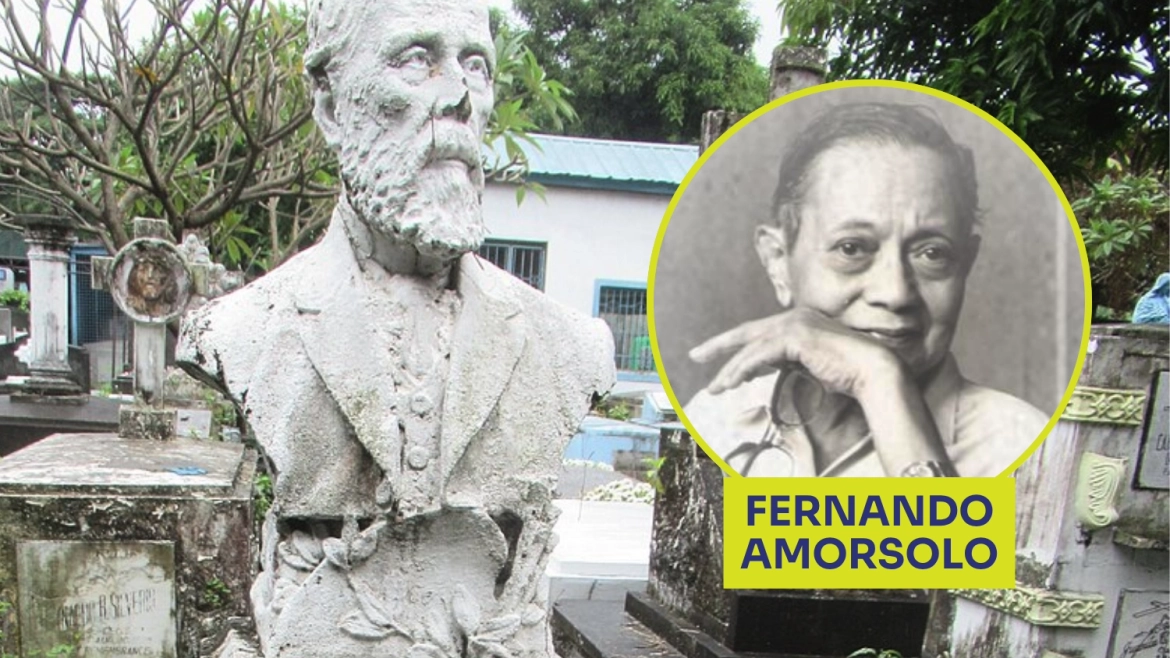
Filipino naming conventions underwent a major transformation in 1849 when Governor-General Narciso Clavería ordered the systematic adoption of hereditary surnames for colonial administrative purposes.
Today, these indigenous names offer Filipinos a beautiful way to reconnect with a cultural identity that predates centuries of colonization.